News

Stainless Steel Melting Furnace: A Complete Guide for Modern Metal Processing

1. Introduction

In today’s highly competitive metal processing industry, the stainless steel melting furnace stands at the core of efficient and high-quality production. As a critical piece of industrial equipment, it plays an essential role in stainless steel manufacturing, recycling, and alloy preparation.

With rising demands for energy efficiency, product quality, and environmental compliance, traditional melting methods are increasingly unable to meet modern industrial requirements. This is where advanced melting technologies—especially induction-based systems—demonstrate clear advantages.

This guide is designed to provide a comprehensive understanding of stainless steel melting furnaces, including their definition, working principles, application industries, and the tangible value they bring to your operations. Whether you are a procurement manager or a technical engineer, this article will help you make informed decisions and optimize your production processes.
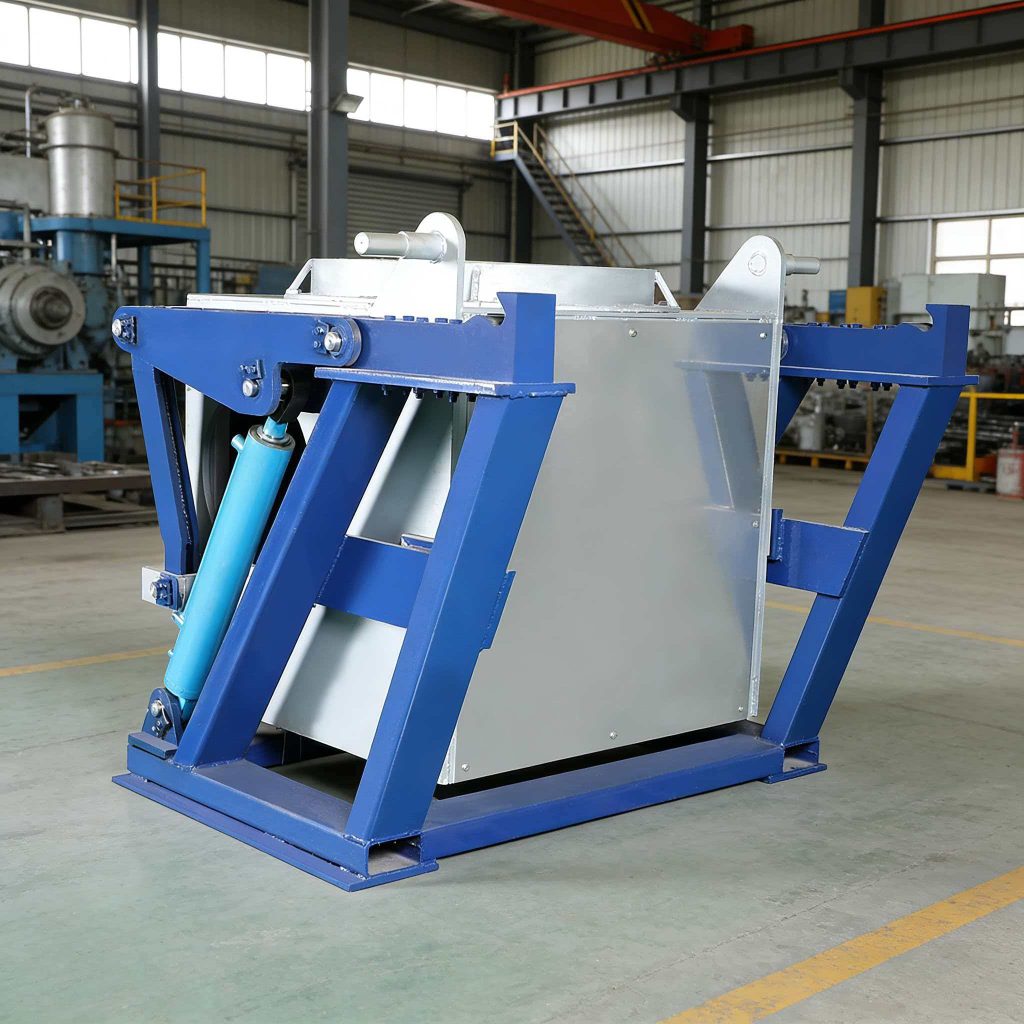

2. What is a Stainless Steel Melting Furnace?

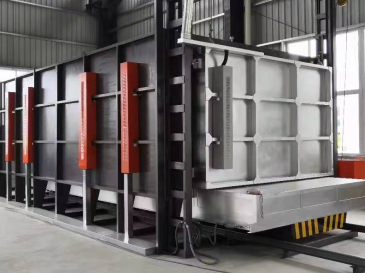
A stainless steel melting furnace is a specialized industrial system designed to melt and refine stainless steel and related alloys. It can process a wide range of raw materials, including stainless steel scrap, alloying elements, and recycled metal, enabling precise control over chemical composition and temperature.

Main Types of Stainless Steel Melting Furnaces

2.1 Medium Frequency Induction Furnace (Mainstream Choice)

The medium frequency induction furnace is the most widely used solution in modern stainless steel melting.

  • Uses electromagnetic induction to generate eddy currents inside the metal
  • Ensures rapid, uniform heating
  • Offers excellent temperature and composition control

2.2 Electric Arc Furnace (EAF)

The electric arc furnace generates heat through an electric arc formed between graphite electrodes and the metal charge.

  • Suitable for large-scale production
  • Common in steel plants and recycling facilities

2.3 Crucible Melting Furnace

The crucible furnace is typically used for small-scale or laboratory applications.

  • Indirect heating via a crucible
  • Ideal for precision melting and low-volume production

Working Principle (Induction Furnace Example)

The core principle of induction melting is based on electromagnetic induction:

  • Alternating current passes through a copper coil, generating a magnetic field
  • The magnetic field induces eddy currents within the metal charge
  • Heat is generated through the Joule effect, melting the material rapidly and uniformly

Key Process Flow

  • Raw material preparation
  • Charging
  • Heating and melting
  • Temperature control
  • Composition refining
  • Pouring

This fully controllable process ensures consistency, efficiency, and high-quality output.

Key Features

  • Operating temperature: 1400°C–1500°C (ideal for stainless steel)
  • Precise temperature control
  • Uniform composition through electromagnetic stirring
  • Flexible capacity: from a few kilograms to dozens of tons

3. Application Industries

Stainless steel melting furnaces are widely used across multiple industries, supporting both large-scale production and specialized applications.

Metallurgical Industry

  • Production of stainless steel ingots and alloy steels
  • Essential equipment in large-scale steel plants

Machinery Manufacturing

  • Melting raw materials for machine parts, molds, and equipment housings

Automotive & Aerospace

  • High-performance stainless steel components
  • Strict requirements for purity and mechanical properties

Construction Industry

  • Stainless steel pipes, profiles, and structural materials

Metal Recycling Industry

  • Efficient recycling of stainless steel scrap and waste materials
  • Reduces raw material costs and supports sustainability

Other Applications

  • Laboratories and research institutions
  • Small-scale workshops
  • Jewelry manufacturing

4. What Can This Furnace Bring to You?

4.1 Higher Production Efficiency

  • Faster melting speeds compared to traditional furnaces
  • Supports continuous 24/7 operation
  • Modular design for easy installation and operation

4.2 Superior Product Quality

  • Electromagnetic stirring ensures uniform composition
  • Digital control systems enable precise temperature management
  • Reduced oxidation and gas absorption improve metal purity

4.3 Cost Reduction

  • Energy savings of 15%–20% using IGBT inverter and resonance control
  • Lower material loss and higher utilization rates
  • Reduced maintenance and labor costs

4.4 Safety and Environmental Benefits

  • Multiple protection systems: overvoltage, overcurrent, phase loss, low water pressure
  • Low emissions, low noise, and improved working environment
  • Optional dust and gas treatment systems

4.5 Stronger Competitive Advantage

By integrating advanced melting technology, companies can:

  • Increase production capacity
  • Improve product consistency
  • Reduce operational costs
  • Strengthen market competitiveness

5. About LYHONTEN

Luoyang Hongteng Electrical Equipment Co., Ltd. (Brand: LYHONTEN), established in 2012 and located in Luoyang, China, is a professional manufacturer specializing in metal melting and casting equipment.

With over a decade of industry experience, LYHONTEN provides complete production line solutions covering:

  • Metal melting
  • Induction heating
  • Continuous casting
  • Rolling
  • Heat treatment

Its equipment is widely used in steel, copper, and aluminum industries, serving clients across Asia, the Middle East, Europe, and South America.

Customized Services

LYHONTEN offers tailored solutions based on:

  • Plant layout
  • Power supply conditions
  • Production capacity goals
  • Workforce requirements

This ensures optimized investment, shorter project cycles, and maximum operational efficiency.

Commitment to Sustainability

The company actively supports green manufacturing by providing:

  • Energy-efficient systems
  • Scrap metal recycling solutions
  • Environmentally compliant technologies

6. Core Advantages of LYHONTEN Stainless Steel Melting Furnace

Advanced Technology

  • Industry-leading induction heating systems
  • High-precision digital control
  • Stable and reliable operation

Customization Capability

  • Wide capacity range (kg to tens of tons)
  • Flexible configurations based on production needs

Quality Assurance

  • High-grade refractory materials
  • Durable furnace structure
  • Long service life
  • Comprehensive after-sales support

7. Conclusion

Stainless steel melting furnaces are essential for modern metal processing, delivering high efficiency, energy savings, superior quality, and environmental compliance.

Choosing the right furnace is not just an equipment decision—it is a strategic investment in your production capability and long-term competitiveness.

If you are looking to upgrade your melting system or build a new production line, LYHONTEN offers reliable equipment and complete technical support tailored to your needs.

Contact us today to get customized furnace solutions, detailed specifications, and expert consultation.
Previous
Regenerative Gas-Fired Aluminum Melting Furnace: Technical Overview

1. Industry Background 1.1 Industry Pain Points Driven by strict global environmental regulations and rising energy costs, the aluminum foundry…
2026-03-25
Next
How to Choose the Right Stainless Steel Melting Furnace

A Technical and ROI-Driven Guide for Industrial Decision-Makers Introduction In stainless steel production, the melting furnace is not merely a…
2026-04-01

Related News