Home » News » How to Choose the Right Stainless Steel Melting Furnace
How to Choose the Right Stainless Steel Melting Furnace
2026-04-01
A Technical and ROI-Driven Guide for Industrial Decision-Makers
Introduction
In stainless steel production, the melting furnace is not merely a piece of equipment—it is the core unit that determines metallurgical quality, production efficiency, and overall operating cost.
From raw material melting to composition adjustment, furnace selection directly impacts:
Chemical composition accuracy
Energy consumption per ton
Production stability and throughput
However, improper selection remains common in the industry, leading to:
Capacity mismatch (underutilization or bottlenecks)
Excessive energy consumption
Inadequate refining capability for target grades
Therefore, selecting the right furnace is a strategic engineering decision, not just a procurement task.
This guide provides a structured methodology: Fundamentals → Application scenarios → Key selection factors → ROI evaluation → Practical implementation
1. Fundamental Understanding of Stainless Steel Melting Furnaces
1.1 Definition and Main Types
A stainless steel melting furnace is used to melt metallic charge materials (scrap, pig iron, alloys) and produce molten steel that meets specific composition and cleanliness requirements.
Main Furnace Types
Electric Arc Furnace (EAF)
Heat source: Electric arc
Typical capacity: 30–100 tons (mainstream), up to 150 tons for large plants
Function: Primary melting (100% scrap or mixed charge)
Note: Requires secondary refining for stainless steel
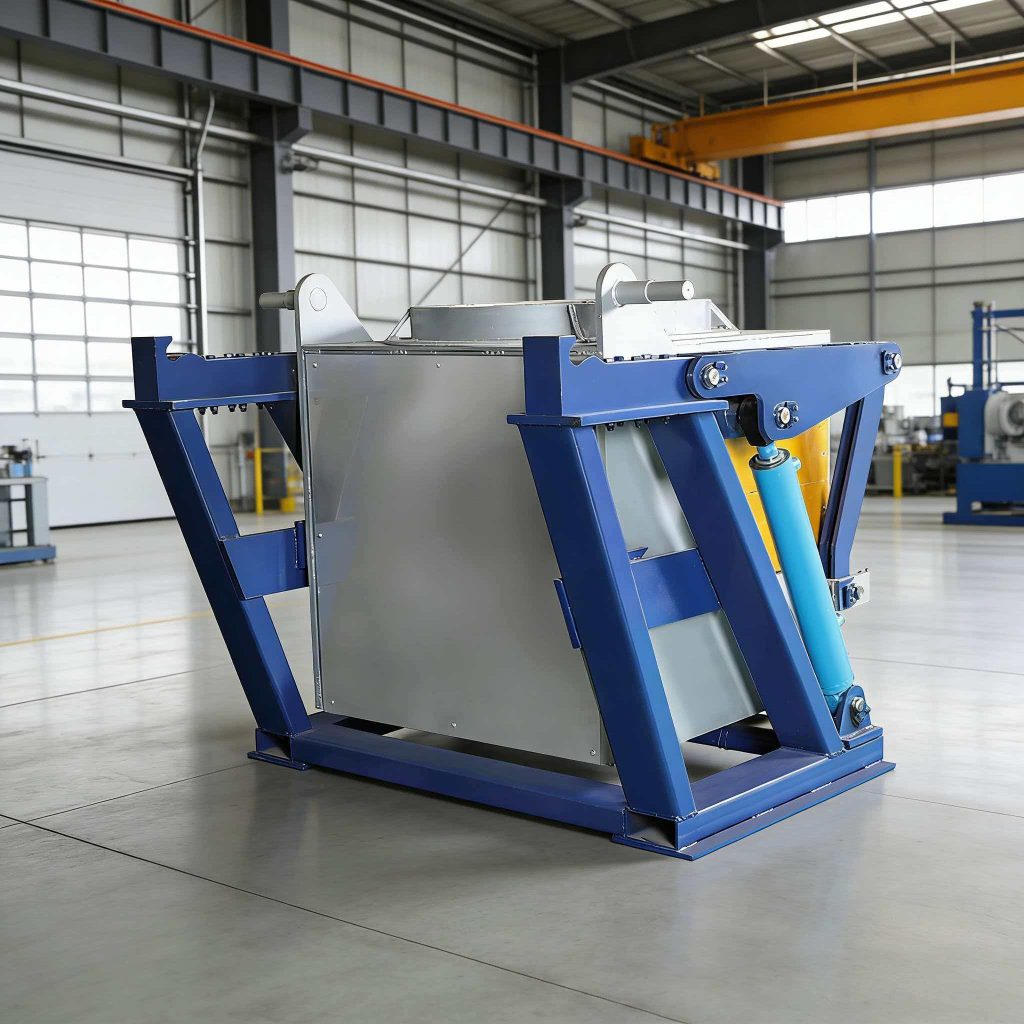
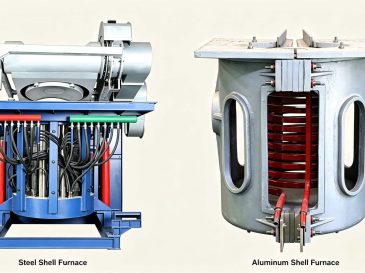
Medium Frequency Induction Furnace (IF)
Heat source: Electromagnetic induction
Capacity range: 50 kg – 30 tons (industrial), smaller for lab use
Advantages:
Lower initial investment
Fast melting speed
Easy operation
Limitation:
Limited refining capability
Higher sensitivity to scrap cleanliness
Argon Oxygen Decarburization Furnace (AOD)
Core function: Decarburization while retaining chromium
Industry role: Primary refining method for >90% of stainless steel production