When selecting an induction melting furnace, one of the most critical decisions is choosing between a steel shell induction furnace and an aluminum shell induction furnace.
This choice is not just about structure—it directly affects energy consumption, melting efficiency, operational safety, maintenance cost, and long-term return on investment.
In this guide, we break down the real differences based on practical production conditions, helping you determine which solution fits your operation.
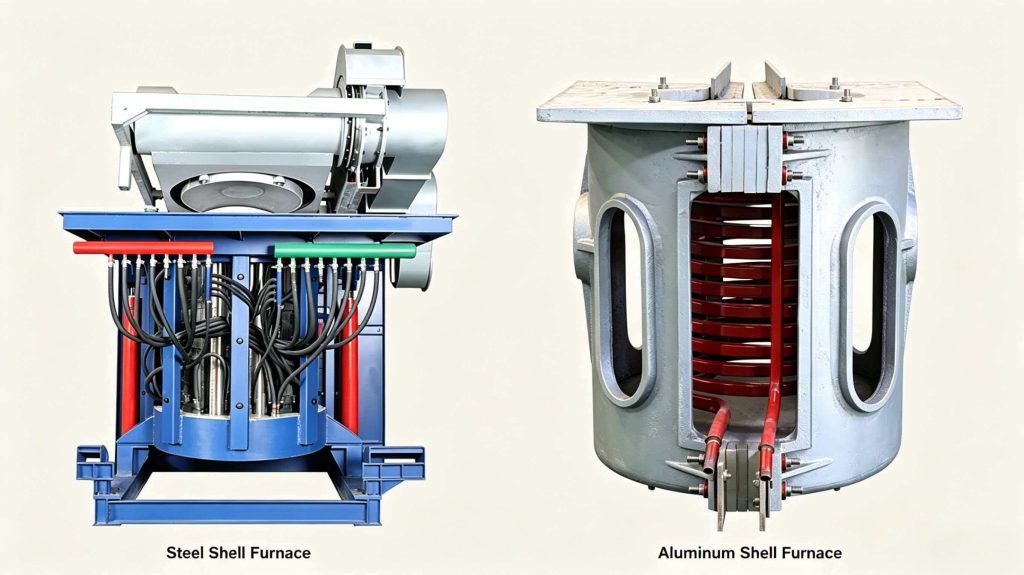
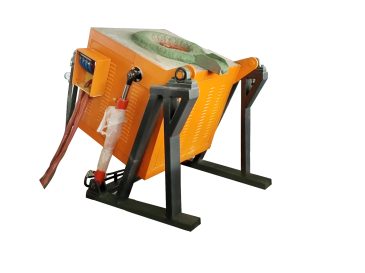
An aluminum shell induction melting furnace is designed with a lightweight aluminum structure, typically combined with a reducer-driven tilting system.
1. Lower Initial Cost
Compared to a steel shell induction furnace, aluminum shell systems can reduce upfront investment by 20%–40%, making them ideal for budget-sensitive projects.
2. Simple Structure and Maintenance
The mechanical tilting system is easy to understand and repair, especially in regions where hydraulic expertise is limited.
3. Suitable for Small and Medium Capacity
Typically used for furnaces below 5–10 tons, especially in small-scale foundries or startup operations.
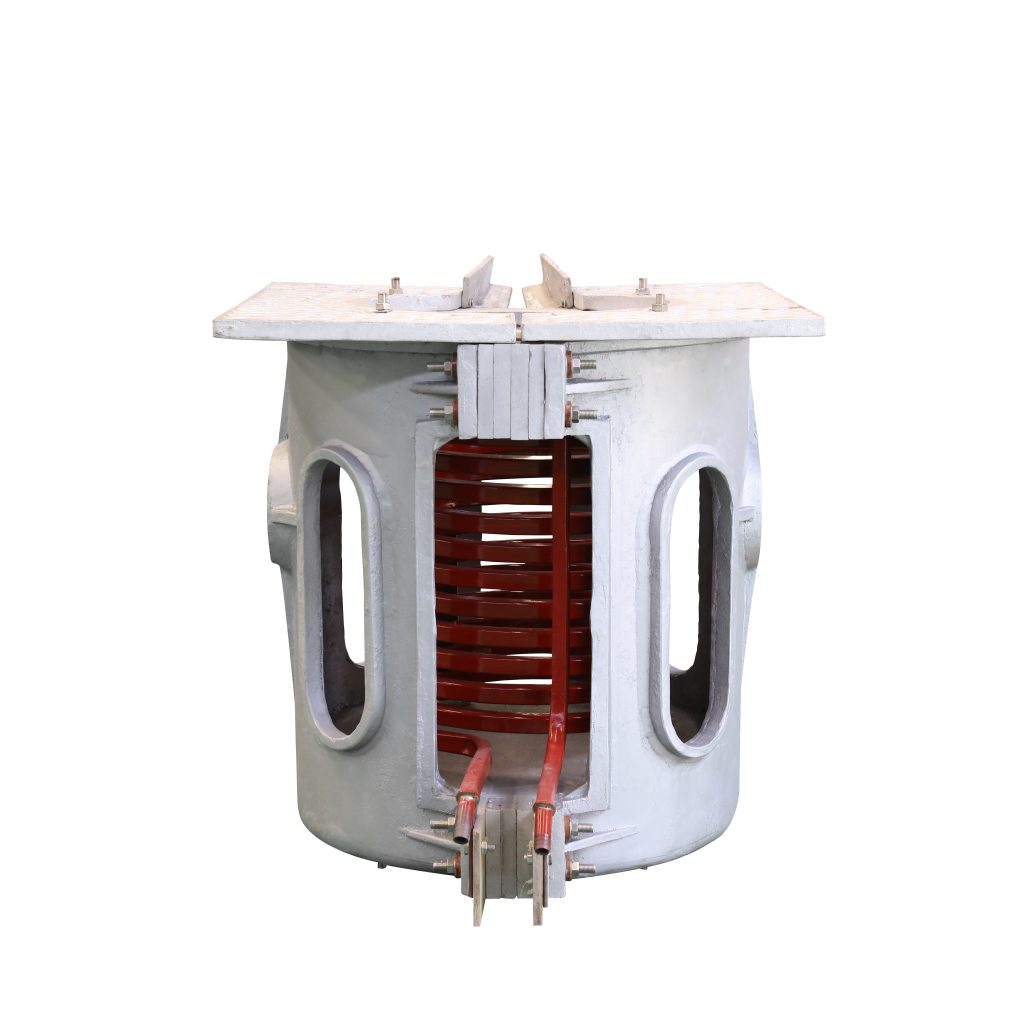
1. Lower Structural Strength
Aluminum shells are less rigid, which can lead to:
2. Lower Safety Level
In case of molten metal leakage, aluminum structure offers less protection compared to a reinforced steel shell.
3. Energy Efficiency is Slightly Lower
Due to weaker magnetic shielding and structure, energy consumption is typically:
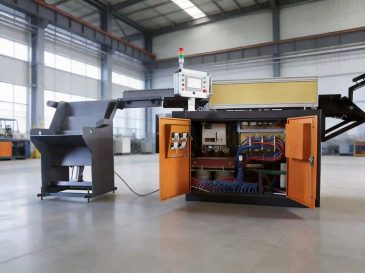
A steel shell induction melting furnace uses a heavy-duty steel structure combined with a hydraulic tilting system and advanced safety features.
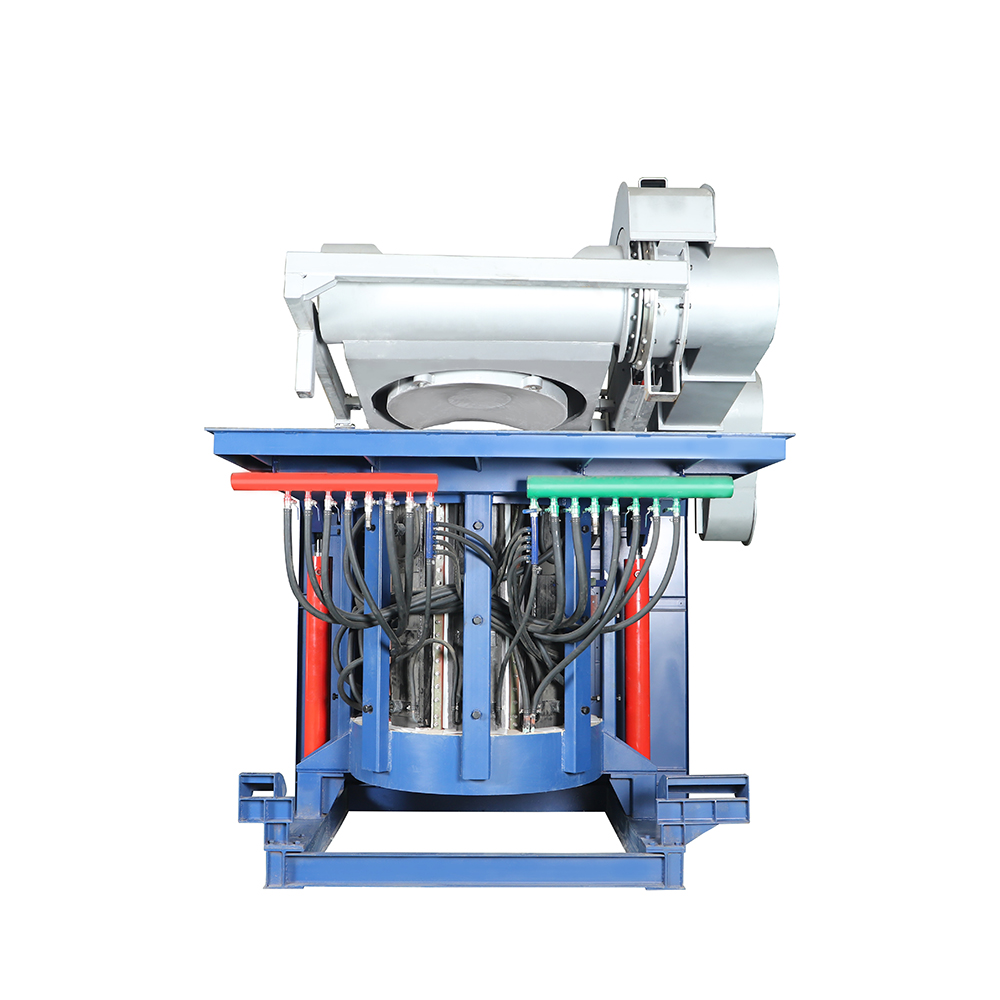
1. Higher Energy Efficiency
With magnetic yokes and optimized coil design:
This is critical for operations running 24/7 melting cycles.
2. Superior Safety Performance
Steel shell furnaces usually include:
This significantly reduces risk in high-capacity melting environments.
3. Longer Lining Life
Due to better structural rigidity:
4. Ideal for Large Capacity and Continuous Production
Commonly used in:
1. Higher Initial Investment
Typically 30%–50% more expensive than aluminum shell furnaces.
2. More Complex Maintenance
Hydraulic systems require:
| Factor | Aluminum Shell Furnace | Steel Shell Furnace |
|---|---|---|
| Initial Cost | Lower | Higher |
| Energy Efficiency | Medium | High |
| Safety Level | Medium | High |
| Structural Strength | Lower | Very High |
| Maintenance | Simple | More complex |
| Furnace Capacity | Small–Medium | Medium–Large |
| Lining Life | Shorter | Longer |
| Best Use Case | Budget projects | Industrial production |
Typical users:
Typical users:
Many buyers focus only on the initial furnace price, but experienced operators evaluate:
In many cases, a steel shell induction melting furnace becomes more economical after 6–12 months of operation, especially under high production loads.
There is no “better” furnace—only the right furnace for your production model.
If you are planning to invest in an induction melting furnace, choosing the correct type is only the first step. Matching the furnace with your material type, production capacity, and power conditions is even more critical.
We provide:
Contact us today to get a tailored solution based on your production needs.
1. Aluminum Furnace in Modern Production In modern aluminum processing, the performance of an aluminum furnace directly determines metal recovery…
Introduction Selecting the right aluminum melting furnace is one of the most critical decisions for foundry operations. The wrong choice…
A Strategic Solution for Sustainable Industrial Heating I. The Growing Demand for Sustainable Industrial Heating 1.1 Global Pressure for Decarbonization…