Selecting the right aluminum melting furnace is one of the most critical decisions for foundry operations. The wrong choice can lead to high energy costs, low production efficiency, frequent maintenance, and safety hazards.
This comprehensive guide provides practical insights on capacity planning, furnace type selection, power requirements, material compatibility, safety features, maintenance, and budget considerations. Whether you are looking for a tilting furnace, an induction furnace, or a gas furnace, this article will help you make an informed decision to maximize efficiency and return on investment.
Understanding your production requirements is the first step:
Many foundries underestimate their capacity requirements, leading to overworked furnaces and higher maintenance costs. Proper planning ensures consistent aluminum production efficiency.
A foundry using a 500kg MF induction furnace running 3 cycles per day produces 1.5 tons of molten aluminum daily, which is sufficient for small automotive components. Upgrading to a 1000kg furnace doubles output without additional labor.
A medium-sized scrap aluminum plant switched from a fixed gas furnace to a tilting furnace, reducing spillage by 20% and increasing throughput by 15%.
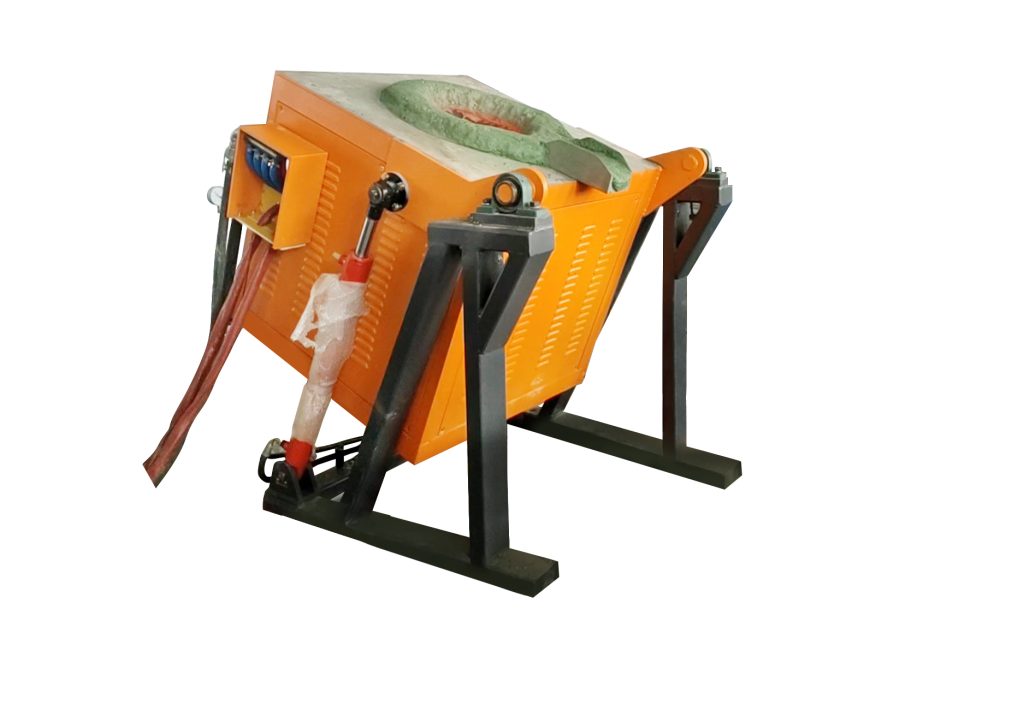
Power affects melting speed, energy consumption, and furnace longevity:
| Furnace Type | Capacity | Power | Daily Energy Consumption |
|---|---|---|---|
| MF Induction Furnace | 500kg | 160kW | 240 kWh |
| Gas Furnace | 500kg | 120kW | 300 kWh |
| IF Induction | 1000kg | 300kW | 450 kWh |
Investing in energy-saving aluminum melting furnaces reduces long-term operational costs while maintaining production efficiency.
Your furnace must handle the specific aluminum types in your production:
A client processing automotive scrap aluminum upgraded to an MF induction furnace, increasing yield by 18% while reducing refractory wear.
different aluminum alloys should be considered during furnace selection to prevent contamination and material loss.
Safety and maintenance are critical for continuous operation:
Following regular maintenance protocols ensures consistent output and reduces emergency repair costs.
aluminum furnace maintenance tips can significantly improve operational safety and longevity.
Balancing initial cost with long-term efficiency is crucial:
Furnace A: $25,000 initial, 1.2 MWh/day electricity
Furnace B: $35,000 initial, 0.9 MWh/day electricity
Furnace B saves approximately $1,000 per month in energy, breaking even in less than a year. Selecting a high-efficiency furnace often delivers faster ROI and improved production stability.
Choosing custom solutions can optimize performance for unique material mixes or production processes.
Verify warranty terms, spare parts availability, and technical support before making a purchase.
These enhancements increase upfront costs but improve safety, efficiency, and material quality.
A mid-sized automotive scrap aluminum foundry upgraded from a 500kg gas furnace to a tilting MF induction furnace:
This demonstrates how selecting the right furnace type and features can directly impact efficiency, cost, and safety.
Selecting the right aluminum melting furnace is essential for efficiency, safety, and profitability. Evaluate capacity, furnace type, power, material compatibility, safety, and budget to make an informed decision.
For maximum ROI and production stability, choose a furnace that aligns with your operational needs and growth plans.
Ready to find the perfect furnace for your foundry? Contact us today
1. Overview 1.1 Core Role of Hot Rolling Mills Hot rolling mills are essential equipment in metal processing, widely used…
I. Introduction 1.1 Overview of Regenerative Gas-Fired Aluminum Melting Furnace 1.1.1 Basics of Aluminum Melting Furnaces Aluminum melting furnaces are…
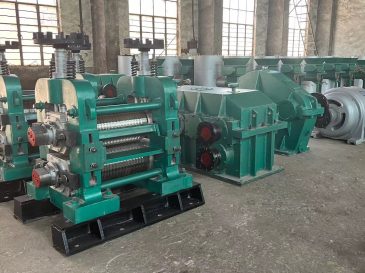
I. Introduction: The Role of Continuous Rolling in Modern Metal Processing In modern metallurgical production, efficiency, consistency, and automation have…
For a foundry, choosing the right melting equipment is not only about purchasing a furnace with higher power or larger…