For a foundry, choosing the right melting equipment is not only about purchasing a furnace with higher power or larger capacity. The furnace directly affects production efficiency, energy consumption, molten metal quality, and overall operating costs.
Many manufacturers are upgrading from traditional melting methods to an induction melting furnace because of its advantages in heating efficiency, temperature control, and cleaner operation. However, selecting the right configuration requires careful consideration of metal type, production output, power requirements, and future expansion plans.
A furnace that is correctly matched to the production process can help manufacturers achieve more stable melting performance and reduce unnecessary operating costs.
This guide explains the key factors foundries should evaluate before investing in an induction melting furnace.
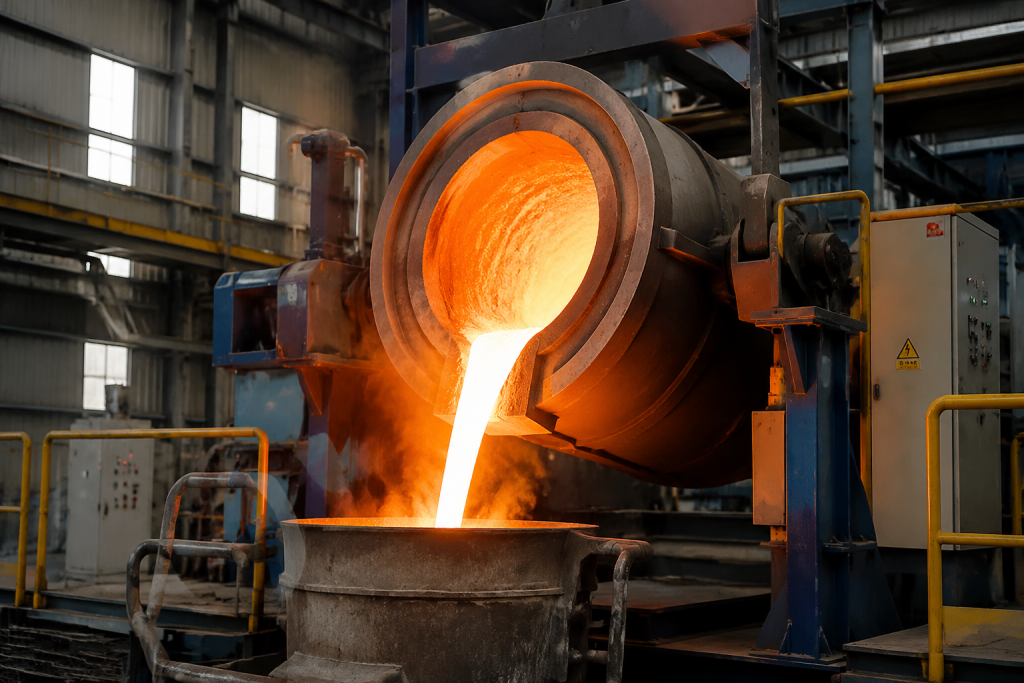
Before selecting an induction melting furnace, foundries should first define their actual production requirements. The best furnace is not always the largest or most powerful model, but the one that matches the production process.
The main factors that influence furnace selection include:
Different metals have different melting characteristics, which affect furnace design and operating parameters.
For example:
A furnace designed for the wrong material may result in longer melting times, higher energy consumption, and unstable molten metal quality.
For aluminum casting operations, manufacturers usually select a dedicated aluminum melting furnace based on production capacity and casting requirements.
One of the most common mistakes when purchasing a furnace is focusing only on melting capacity while ignoring the actual production process.
A foundry should evaluate:
For example, two factories may both require 5 tons of molten metal per day, but their ideal furnace configurations may be completely different.
A manufacturer producing continuously may need a different solution compared with a foundry producing multiple small batches.
Furnace capacity is one of the most important factors affecting production efficiency and investment cost.
However, capacity should not be selected simply according to the maximum melting volume.
In industrial applications, furnace selection is usually based on the relationship between:
The rated capacity of an induction melting furnace indicates how much molten metal can be produced in one melting cycle.
However, the actual production output depends on several factors:
For example, a 1-ton furnace with a shorter melting cycle may achieve similar daily output to a larger furnace operating less frequently.
Therefore, foundries should calculate furnace requirements based on actual production targets rather than capacity alone.
Different production scales usually require different furnace configurations.
| Production Requirement | Common Furnace Capacity Range |
|---|---|
| Small batch casting | 100 kg – 500 kg |
| Medium production foundry | 500 kg – 2 tons |
| Large industrial casting production | 2 tons and above |
These ranges are only a reference. The final selection should consider:
For example, aluminum foundries often focus more on melting speed and oxidation control, while steel foundries usually require higher power output and thermal stability.
Among different induction furnace technologies, medium frequency induction furnaces are widely applied in industrial metal melting because they provide a practical balance between melting efficiency, flexibility, and equipment cost.
A medium frequency induction furnace is commonly used for melting:
The operating frequency allows efficient electromagnetic heating while maintaining good stirring effects in the molten metal.
The electromagnetic field generates heat directly inside the metal charge, reducing heat transfer losses.
This allows foundries to achieve:
Stable temperature control is essential for producing high-quality castings.
Accurate temperature management helps reduce problems caused by:
This is especially important for aluminum and alloy production where temperature variation can affect casting quality.
Medium frequency systems are suitable for different production requirements.
They can be configured for:
Compared with traditional fuel-fired furnaces, induction systems also provide a cleaner working environment because they do not rely on combustion heating.
Aluminum casting requires careful control of melting temperature and oxidation.
During aluminum melting, excessive temperature or long holding time can increase oxidation and create more slag.
A suitable induction melting system helps manufacturers improve:
For larger aluminum production requirements, a specialized aluminum melting furnace can be selected according to capacity and production conditions.
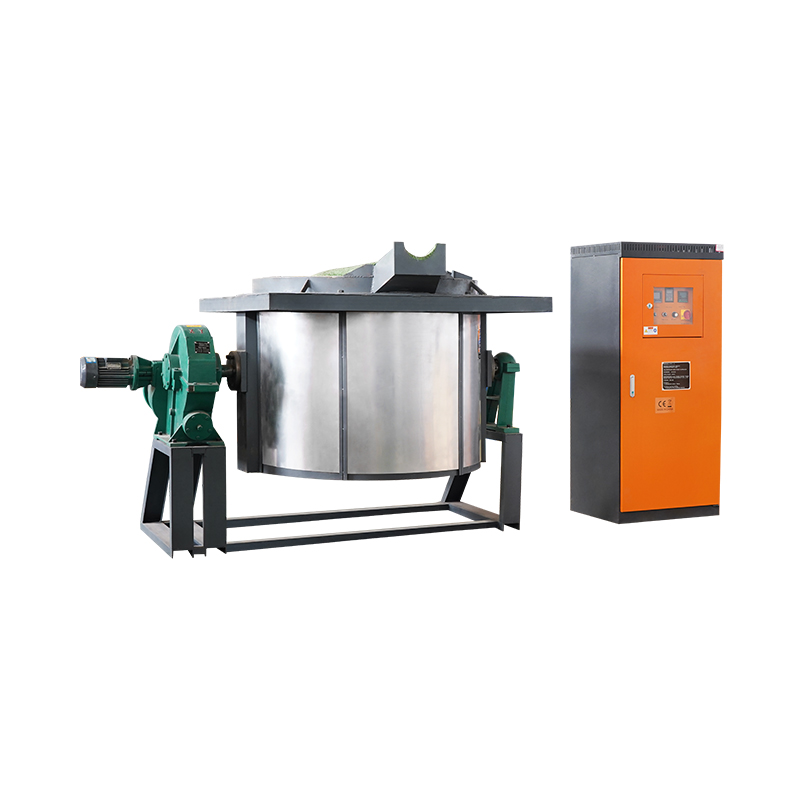
Steel and stainless steel foundries require equipment capable of handling high-temperature melting operations.
Important considerations include:
For these applications, medium frequency induction technology is commonly selected because it provides efficient melting performance and flexible production control.
Manufacturers producing stainless steel components may also consider a dedicated stainless steel melting furnace based on alloy requirements and output.
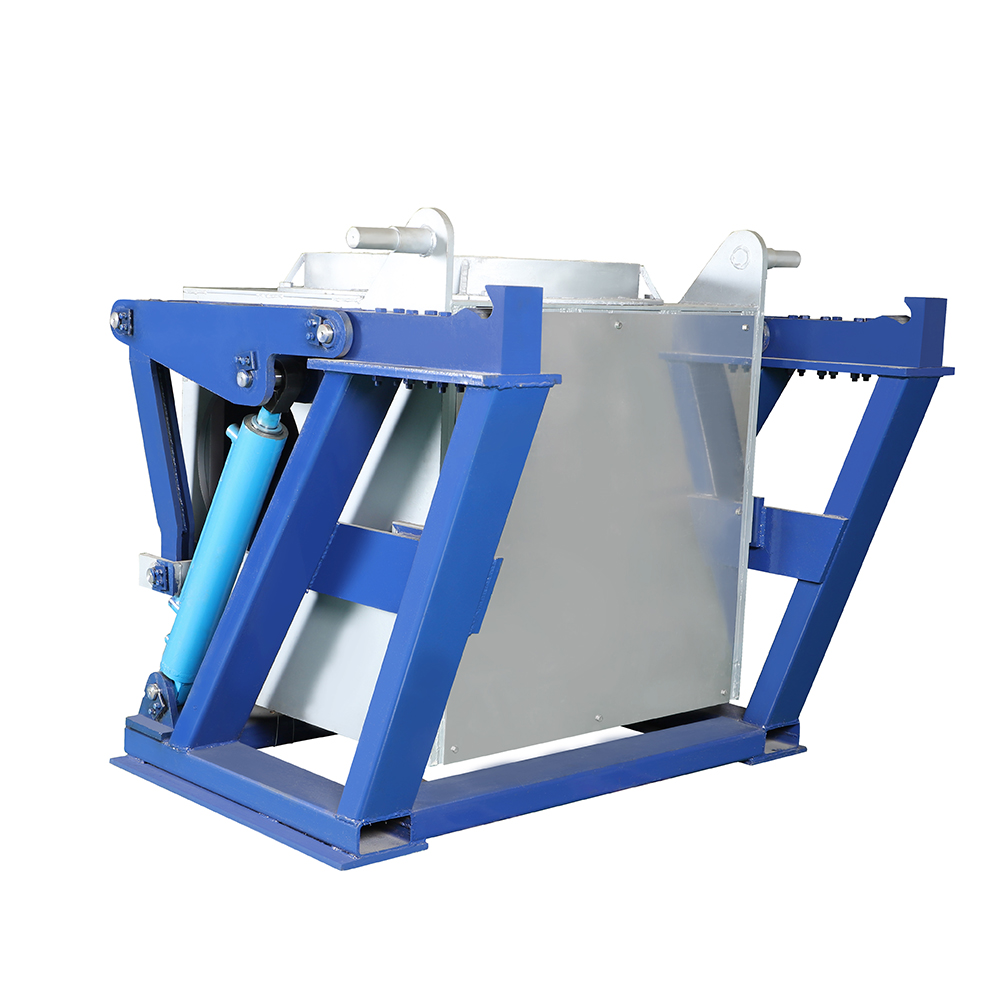
Copper has excellent electrical and thermal conductivity, which means efficient heat transfer is an important factor during melting.
Induction melting provides:
Copper producers should select furnace capacity according to production volume and required casting rhythm.
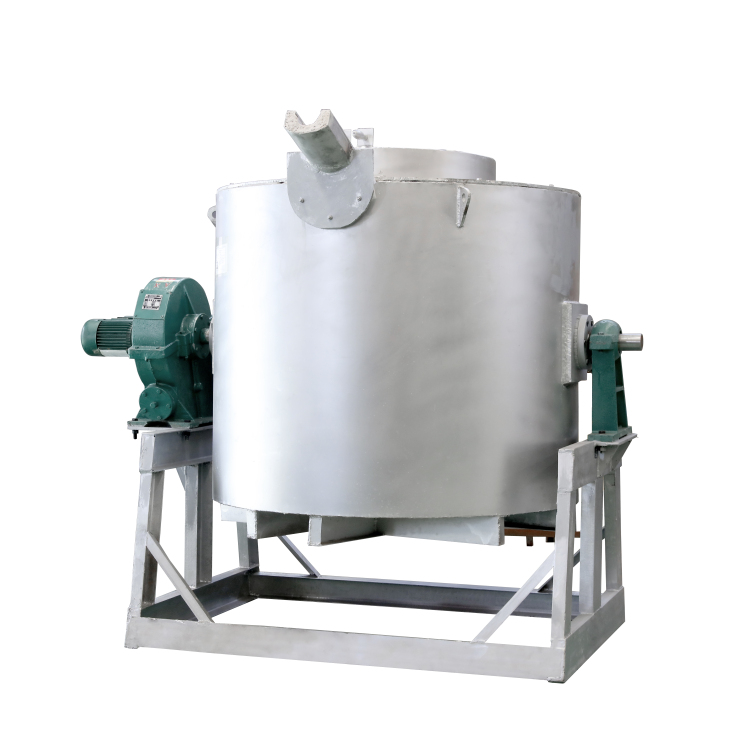
For most foundries, the purchase decision of an induction melting furnace is not only based on equipment price. Long-term operating costs, especially electricity consumption and maintenance requirements, have a significant impact on profitability.
The actual melting efficiency depends on how the furnace is configured and operated.
The charging material has a direct impact on melting performance.
Factors such as material size, shape, cleanliness, and charging sequence can affect:
For example, properly prepared scrap materials generally melt faster than irregular oversized materials because they provide better heat transfer inside the furnace.
For aluminum melting applications, proper scrap handling is particularly important because contaminated or improperly prepared scrap can increase slag formation and reduce metal recovery.
Operating temperature is another important factor affecting efficiency.
Excessive overheating may lead to:
On the other hand, insufficient temperature may affect:
A reliable temperature monitoring system helps operators maintain the correct melting range and avoid unnecessary energy waste.
Induction melting furnaces consume energy not only during melting but also during holding periods.
Foundries can improve efficiency by:
A correctly sized furnace usually provides better overall efficiency than an oversized unit operating below its designed capacity.
The performance and reliability of an induction melting furnace depend on the quality and design of several key components.
Understanding these components helps buyers evaluate equipment beyond the initial purchase price.
The induction coil is the core heating component of the furnace.
Its design affects:
A well-designed coil should provide stable heating performance while operating safely under continuous working conditions.
The power supply converts electrical energy into the required frequency and power output for melting.
Important considerations include:
The power configuration should match the furnace capacity and production requirements.
An incorrectly selected power system may result in slower melting speed or unnecessary energy consumption.
The induction coil and electrical components generate heat during operation and require continuous cooling.
A reliable cooling system helps:
Cooling water quality, flow rate, and monitoring systems should all be considered during equipment selection.
The refractory lining directly contacts molten metal and experiences repeated thermal cycles.
Its condition affects:
Proper installation and regular inspection are essential to prevent unexpected downtime.
Many buyers focus heavily on the equipment price but overlook factors that influence long-term performance.
The following mistakes are commonly seen during furnace selection.
The lowest initial price does not always mean the lowest operating cost.
A cheaper furnace may result in higher expenses due to:
When comparing suppliers, buyers should consider the total operating cost rather than only the purchase price.
An unsuitable capacity can affect production efficiency.
A furnace that is too small may cause:
A furnace that is too large may lead to:
Capacity selection should always be based on actual production requirements and future plans.
An induction melting furnace is a long-term production asset.
Before purchasing, buyers should evaluate whether the supplier can provide:
Reliable after-sales service can significantly reduce production interruptions.
Choosing the right manufacturer is an important part of the purchasing process.
A professional supplier should not only provide equipment but also offer a complete solution based on the customer's production requirements.
Important evaluation factors include:
Experienced manufacturers usually have a better understanding of different melting applications, including:
They can recommend suitable furnace configurations based on actual operating conditions.
Different factories have different requirements.
A reliable manufacturer should be able to customize solutions according to:
Standard equipment may not always be the best solution for industrial production.
Before making a purchase decision, buyers should confirm whether the supplier provides:
For industrial equipment, reliable support is often as important as the furnace itself.
An induction melting furnace is an important investment for foundries looking to improve melting efficiency, reduce operating costs, and maintain stable metal quality.
The right furnace selection should consider multiple factors, including:
For industrial users, the best solution is not simply the furnace with the highest capacity, but the one that matches the production process and provides reliable long-term performance.
By working with an experienced induction furnace manufacturer, foundries can obtain a properly configured melting solution that improves productivity and supports future growth.
We provide customized induction melting furnace solutions for aluminum, copper, steel, stainless steel, and other metal processing applications.
Contact us to discuss your production requirements and get professional furnace selection advice.
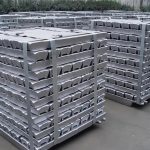
Aluminum ingots are widely used as the primary raw material for aluminum casting, extrusion, and other downstream manufacturing processes. The…
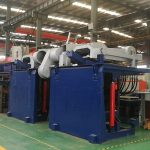
Introduction: Choosing the Right Furnace for Efficient Metal Melting Metal melting is a critical process in industries such as casting,…
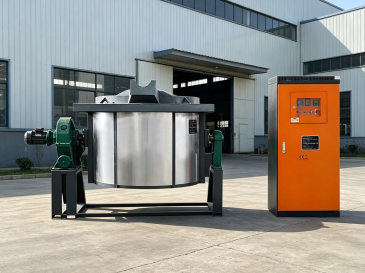
An Introduction to Medium-Frequency Induction Furnaces Induction furnaces that operate at frequencies ranging from 150 to 10,000 hertz are referred…
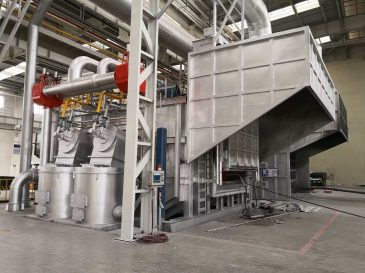
1. Industry Background 1.1 Industry Pain Points Driven by strict global environmental regulations and rising energy costs, the aluminum foundry…