Metal melting is a critical process in industries such as casting, metal recycling, automotive manufacturing, and machinery production. The performance of a furnace for melting metals directly affects production efficiency, energy consumption, material loss, and final product quality.
Different metals have different melting characteristics. Aluminum, steel, copper, and other alloys require suitable heating methods and furnace designs to achieve stable melting performance. Choosing the wrong furnace may result in higher operating costs, longer melting cycles, and inconsistent metal quality.
Today, manufacturers can choose from several furnace technologies, including induction furnaces, resistance furnaces, gas-fired furnaces, and electric arc furnaces. Among them, induction melting technology has become a preferred solution for many foundries due to its high efficiency, precise temperature control, and cleaner operation.
This guide explains the main types of furnaces for melting metals, their applications, and the key factors to consider when selecting the right equipment.
A furnace for melting metals is industrial equipment designed to heat metal materials above their melting point, transforming solid metal into liquid form for casting, alloy production, recycling, and other manufacturing processes.
Depending on the heating method, metal melting furnaces can use:
The ideal furnace depends on several factors, including:
For modern industrial production, furnace efficiency and process stability have become increasingly important factors when selecting melting equipment.
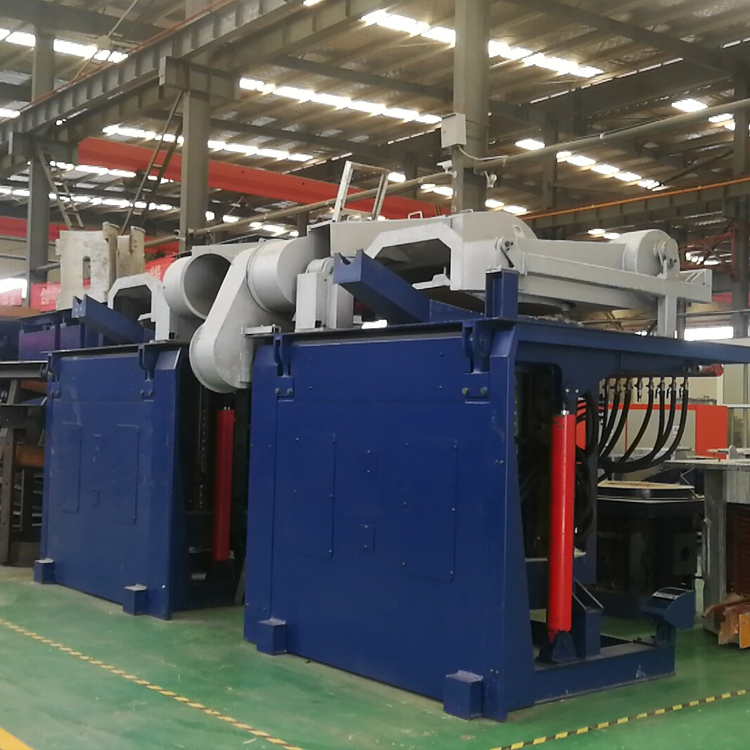
An induction furnace uses electromagnetic induction to generate heat directly inside the metal material. When alternating current passes through the induction coil, it creates a magnetic field that produces eddy currents inside the metal charge.
These currents generate heat through electrical resistance, allowing the metal to melt quickly and evenly.
Induction furnaces are widely used for melting:
For foundries requiring flexible production and consistent metal quality, induction melting technology provides an efficient solution.
Electric resistance furnaces generate heat through electrical resistance elements. Heat is transferred from heating elements to the metal material.
These furnaces are commonly used for:
Their advantages include simple operation and stable temperature control. However, compared with induction furnaces, heating speed and energy efficiency may be lower for large-scale melting applications.
Gas-fired furnaces use natural gas or other fuels to generate heat for melting metals.
They are often selected because of their relatively low initial investment and simple design.
However, compared with electric induction furnaces, gas-fired furnaces may have disadvantages:
For companies focusing on energy efficiency and environmental requirements, induction furnaces are becoming a more attractive alternative.
Electric arc furnaces generate extremely high temperatures through an electric arc between electrodes.
They are mainly used in large-scale steel production and heavy industrial applications.
Advantages include:
However, their equipment investment and operating requirements are generally higher compared with smaller induction melting systems.
Although different furnace types use different heating methods, the basic melting process includes several key stages:
Metal materials such as ingots, scrap metal, or alloy materials are loaded into the furnace.
The quality of raw materials can directly influence melting efficiency and final product performance.
The furnace generates heat through induction, electricity, gas, or an electric arc.
For induction furnaces, heat is generated directly inside the metal, which improves heating efficiency and reduces unnecessary energy loss.
During melting, operators monitor temperature and adjust furnace parameters to achieve the required metal composition.
Precise control helps reduce:
After reaching the required temperature, molten metal is transferred for casting or further processing.
A stable melting process helps manufacturers achieve better product quality and production efficiency.
Foundries use metal melting furnaces to produce:
A reliable furnace helps maintain stable production and consistent casting quality.
With increasing demand for sustainable manufacturing, metal recycling has become an important application.
A suitable furnace for melting metals allows companies to efficiently process:
Induction furnaces are especially suitable for recycling applications because of their fast heating speed and low material loss.
Manufacturers producing special alloys require accurate temperature control and stable melting conditions.
Induction melting furnaces provide excellent mixing through electromagnetic stirring, helping achieve uniform alloy composition.
Selecting the right furnace requires considering several important factors.
Different metals require different melting temperatures and furnace configurations.
Examples:
| Metal | Suitable Furnace Type |
|---|---|
| Aluminum | Induction furnace, resistance furnace |
| Steel | Induction furnace, electric arc furnace |
| Copper | Induction furnace |
| Stainless steel | Medium frequency induction furnace |
The furnace capacity should match your production requirements.
Small foundries may choose compact furnaces for flexible production, while large manufacturers may require multi-ton melting systems for continuous operation.
Important factors include:
Energy consumption is one of the most important considerations for industrial users.
Compared with traditional heating methods, induction furnaces can reduce energy waste because heat is generated directly inside the metal.
For manufacturers operating continuously, improved energy efficiency can significantly reduce long-term operating costs.
A reliable furnace should provide:
Choosing an experienced furnace manufacturer can help reduce downtime and improve production reliability.
Among different types of furnaces for melting metals, induction furnaces have gained popularity in modern foundries because they combine efficiency, flexibility, and environmental advantages.
Key benefits include:
Electromagnetic heating transfers energy directly into the metal, reducing heating time.
The electromagnetic stirring effect improves temperature uniformity and alloy distribution.
Induction furnaces do not require combustion fuels, resulting in cleaner operation and reduced emissions.
They can be customized for different metals, capacities, and production requirements.
Choosing the right furnace for melting metals requires more than selecting equipment. A reliable supplier should provide efficient technology, customized solutions, and long-term technical support to ensure stable production performance.
HTGP specializes in advanced induction melting furnace solutions for global metal processing industries, providing:
Whether you need a compact melting furnace for flexible production or a high-capacity system for industrial-scale applications, HTGP can provide a suitable solution based on your material type, production capacity, and process requirements.
Looking for a reliable furnace for melting metals for your production line?
HTGP’s engineering team can help you select the right furnace type, capacity, and configuration to improve melting efficiency and reduce operating costs.
For a foundry, choosing the right melting equipment is not only about purchasing a furnace with higher power or larger…
Why is primary refining necessary? Primary refining of molten aluminum is a technical measure taken in response to the characteristics…
A Technical Guide for Stress Relief Heat Treatment of Thick-Section Steel Parts 1. Why Large Steel Components Require Specialized Annealing…