1. Introduction: Why Small Rolling Lines Matter in 2026
A small-scale steel rolling line refers to a continuous hot rolling production system with a capacity of 0.5–5 tons per hour, typically processing billets in the range of 30×30 mm to 90×90 mm, and producing finished products such as rebar or round bars (φ6.5–32 mm).
In 2026, this type of production line has become a practical solution for:
- Small and medium-sized steel producers seeking lower capital expenditure
- Scrap-based (recycled steel) operations aligned with short-process steelmaking
- Emerging markets where infrastructure demand is growing but investment budgets remain constrained
Compared with large integrated mills, small rolling lines offer:
- Lower initial investment
- Shorter payback cycles (commonly 12–24 months under stable conditions)
- Flexible production suited to local demand
This guide focuses strictly on technical data, configuration logic, and real operational considerations, helping buyers and operators make informed decisions.
2. Technical Principles and Process Flow
2.1 Core Metallurgical Principle
Hot rolling of carbon steel occurs above its recrystallization temperature, typically:
- Temperature range: 1000–1250 °C
- Purpose: Eliminate work hardening and refine grain structure
Key process parameters include:
- Reduction per pass: 15–40%
- Rolling speed: 1.5–5 m/s (depending on product size and mill configuration)
- Dimensional tolerance: typically ±0.1–0.3 mm (varies with control level and finishing setup)
2.2 Standard Process Flow (7 Sections)
A typical small-scale rolling line includes:
- Billet Preparation
- Cutting, inspection, and charging
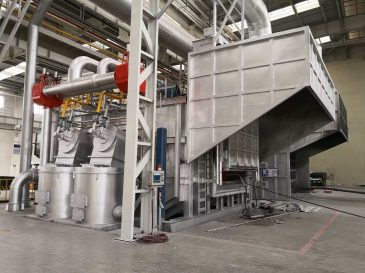
- Reheating Furnace
- Heating temperature: 1150–1200 °C
- Uniform heating is critical for deformation stability
- Rough Rolling
- Intermediate Rolling
- Finishing Rolling
- Final dimension control and surface quality
- Controlled Cooling & Finishing
- Cooling bed + straightening + cutting
- Bundling and Storage
3. Equipment Configuration and Key Parameters
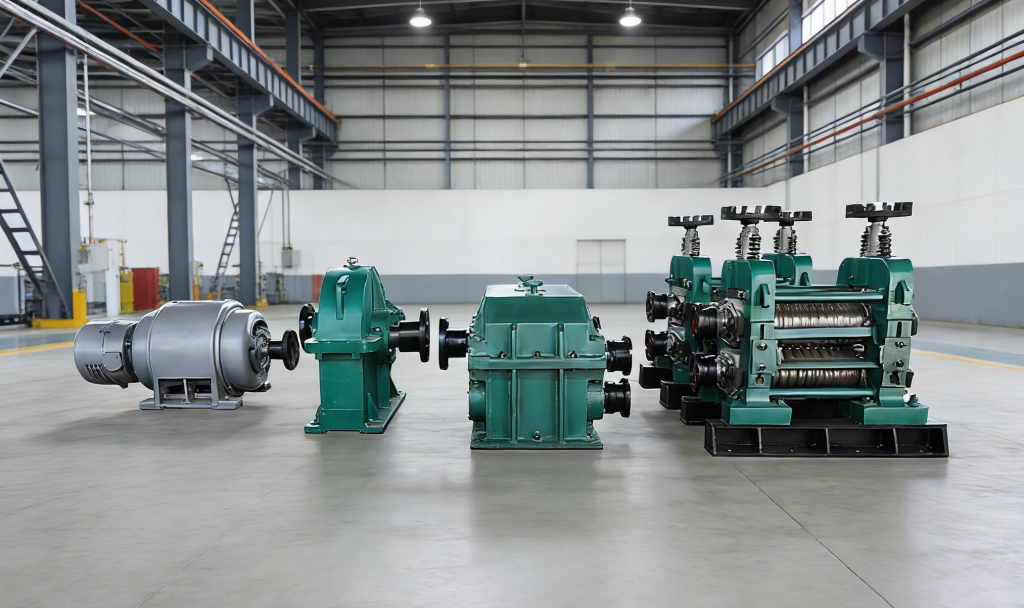
3.1 Rolling Mill Stand (Core Equipment)
- Roll diameter: φ250–450 mm
- Roll material: 9Cr2Mo, Cr12MoV (selected based on wear resistance and cost balance)
- Mill rigidity: ≥1500 kN/mm (critical for dimensional stability)
- Screw-down precision: ±0.02 mm
Rigidity and adjustment accuracy directly determine whether the line can maintain tight tolerances under load.
3.2 Auxiliary Systems
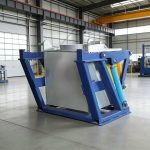
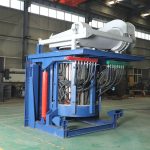
Reheating Furnace
- Power range: typically 800–1500 kW (depending on capacity and fuel type)
- Thermal efficiency: ≥70% (actual performance depends on insulation, combustion system, and operation)
Automation System
- PLC-based control (commonly Siemens or Mitsubishi platforms)
- Covers speed synchronization, temperature control, and fault monitoring
Cooling Bed
- Length: typically 30–60 m
- Function: controlled cooling and stress relief
3.3 Energy and Utility Benchmarks
For a 5 t/h rolling line, typical reference values:
- Installed power: 800–1200 kW
- Electricity consumption: ~310–380 kWh/t
- Water consumption: ~0.8–1.2 m³/t
- Water recycling rate: ≥95% (closed-loop systems strongly recommended)
Actual consumption varies significantly with:
- Furnace type (induction vs gas)
- Automation level
- Operator experience
4. Configuration Options and Capacity Matching
4.1 Micro Line (0.5–1 t/h)
- Total power: ~500–700 kW
- Footprint: ~40 m × 10 m
- Suitable for:
- Pilot production
- Small-batch or niche products
4.2 Standard Line (2–3 t/h) — Most Widely Adopted
- Total power: ~800–1000 kW
- Footprint: ~60 m × 12 m
- Annual output: approx. 15,000–20,000 tons (depending on utilization)
- Product range: φ8–25 mm
This configuration balances investment, output, and operational stability, making it the most commercially viable option.
4.3 Medium Small Line (4–5 t/h)
- Total power: ~1000–1200 kW
- Footprint: ~80 m × 15 m
- Annual output: up to ~30,000 tons
Suitable for:
- Higher throughput requirements
- Larger section products
5. Investment, Cost Structure, and Payback
5.1 Equipment Investment (Indicative Ranges)
- 0.5–1 t/h: USD 180,000 – 280,000
- 2–3 t/h: USD 350,000 – 550,000
- 4–5 t/h: USD 600,000 – 850,000
Note: Prices depend on configuration scope, automation level, and supplier.
5.2 Operating Cost (Per Ton of Steel)
Typical cost breakdown:
- Electricity: USD 35–45
- Roll consumption: USD 8–12
- Maintenance & consumables: variable
- Total: approximately USD 65–85 per ton
5.3 Payback Considerations
Under stable conditions:
- Gross margin (varies by region and product): often USD 180–250/t range
- Capacity utilization ≥70% is typically required for acceptable ROI
Payback period is commonly estimated at 12–24 months, but depends heavily on:
- Local steel prices
- Raw material cost (scrap or billet)
- Energy pricing
- Operational efficiency
6. Selection Guide: Key Decision Factors
When selecting a small rolling line, focus on five core variables:
- Raw Material Type
- Billet size consistency and chemical composition
- Target Capacity
- Avoid oversizing; underutilized capacity increases cost per ton
- Finished Product Range
- Rebar, wire rod, or small sections require different pass designs
- Plant Layout and Infrastructure
- Space, power supply, water system
- Budget and Compliance
- Environmental regulations
- Local standards
Common Mistakes to Avoid
- Choosing excess capacity without stable demand
- Ignoring energy and maintenance costs
- Selecting mills with insufficient rigidity
- Omitting controlled cooling systems, leading to inconsistent product quality
7. Installation, Maintenance, and Troubleshooting
7.1 Installation Accuracy Requirements
- Foundation levelness: ±0.1 mm/m
- Mill centerline deviation: ≤0.05 mm/m
Precision during installation directly impacts long-term stability.
7.2 Maintenance Strategy
A structured maintenance system typically includes:
- Daily inspection: lubrication, temperature, vibration
- Weekly/monthly checks: alignment, wear, electrical systems
- Semi-annual overhaul: key components
Well-executed maintenance can significantly reduce unplanned downtime.
7.3 Common Operational Issues
1. Cobble (steel pile-up)
- Causes: speed mismatch, improper guide alignment
- Solution: recalibrate speed synchronization and guides
2. Dimensional deviation
- Causes: roll wear, low rigidity
- Solution: roll replacement and parameter adjustment
3. Surface defects
- Causes: billet quality, scale, improper cooling
- Solution: improve raw material control and descaling
4. Bearing overheating
- Causes: lubrication failure or overload
- Solution: inspect lubrication system and load conditions
8. Market Trends and Practical Insights
Global demand for small rolling lines is increasingly driven by:
- Emerging markets (Southeast Asia, Africa, South America)
- Growth linked to infrastructure and urbanization
- Gradual shift toward:
- Short-process steelmaking
- Energy-efficient equipment
- Automation and digital monitoring
While growth rates vary by region, demand is consistently tied to local construction cycles and policy environments.
9. Procurement Checklist (Actionable Steps)
A simplified decision workflow:
- Define production requirements
- Identify qualified suppliers
- Verify technical parameters
- Evaluate after-sales capability
- Conduct factory inspection
- Confirm technical agreement
- Review contract terms
- Monitor manufacturing progress
- Perform pre-shipment inspection
- Plan installation and training
10. Conclusion
A small-scale steel rolling line is not a simplified version of a large mill—it is a strategically optimized system designed for flexibility, cost efficiency, and faster return on investment.
Success depends on:
- Accurate configuration matching
- Reliable equipment quality
- Disciplined operation and maintenance
When these factors are aligned, small rolling lines can deliver stable production, consistent product quality, and predictable financial returns in a relatively short timeframe.
11. Contact Us
If you are evaluating a small-scale steel rolling line or need technical support for your project, our engineering team can provide practical, data-driven guidance based on your specific requirements.
We support:
- Rolling line configuration and capacity matching
- Layout design and equipment selection
- Energy consumption and cost optimization analysis
- Installation guidance and operator training
- Troubleshooting and long-term maintenance planning
To help us give you accurate recommendations, you may share:
- Raw material type and billet size
- Target production capacity (t/h or annual output)
- Finished product specifications
- Available plant space and power conditions
- Local energy costs or constraints
leave us a message through our website — we will respond within 24 hours with initial technical feedback.