News

Common Faults & Troubleshooting for Induction Furnace

Introduction

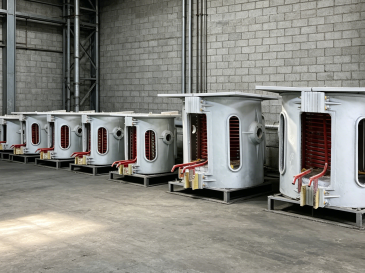
Induction furnaces are widely used in modern metal processing industries, including metal melting and heat treatment of steel, aluminum, copper, and alloys. Compared with traditional furnaces, they offer higher efficiency, precise temperature control, and cleaner operation, making them essential equipment for foundries, metal recycling plants, and manufacturing facilities.

However, even advanced equipment is not immune to faults. In metal processing plants, a single failure can result in 2–8 hours of downtime, and without systematic troubleshooting and maintenance, annual productivity losses may reach 15–20%. This makes mastering induction furnace troubleshooting not just a technical necessity, but a direct driver of operational efficiency and cost control.

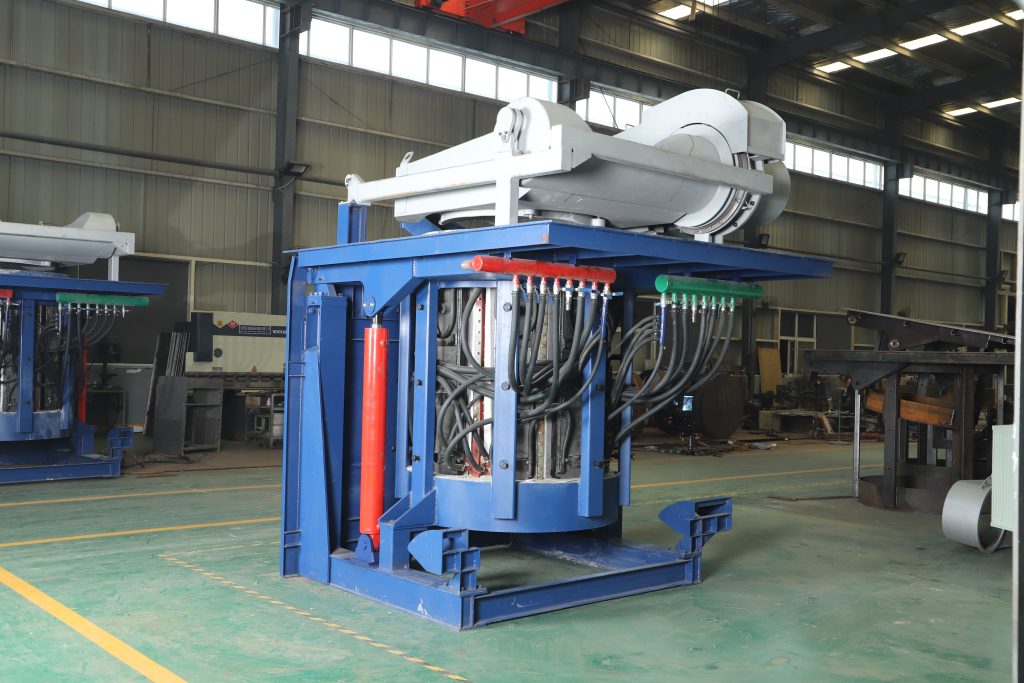
From a basic perspective, an induction furnace works on electromagnetic induction: alternating current generates a magnetic field, inducing eddy currents in the metal and converting electrical energy into heat. The key components most closely related to faults include:

  • Inductor coil
  • Power supply system (IGBT/SCR modules)
  • Cooling system
  • Crucible

Understanding how these components interact is the foundation for diagnosing induction furnace faults and implementing effective induction furnace breakdown solutions.


Preparation Before Troubleshooting (Safety & Preliminary Check)

1. Safety Precautions (Non-Negotiable)

Before any inspection or repair:

  • Cut off the power supply completely and wait 5–10 minutes for residual voltage discharge
  • Wear high-temperature protective equipment
  • Ensure the cooling system is stopped before checking electrical components

Failure to follow these steps may lead to electric shock or severe burns.


2. Preliminary Checks (Quick Fault Positioning)

A structured pre-check can save significant time:

  • Visual inspection:
    Check for coil ablation, crucible cracks, loose wiring
  • Parameter verification:
    • Input voltage: 380V / 415V / 480V (must match equipment rating)
    • Cooling water pressure: 0.2–0.4 MPa
    • Water temperature: inlet ≤35℃, outlet ≤55℃
  • Sound & smell check:
    • Abnormal buzzing/cracking → possible electrical fault
    • Burning smell → insulation damage

Common Faults, Troubleshooting Steps & Solutions

Fault 1: Furnace Fails to Start (Power Supply Abnormality)

Phenomenon

  • No response after startup
  • Control panel shows no power or error codes (E01/E02)

Main Causes (by probability)

  • Low input voltage (<90% of rated, e.g., ≤342V for 380V system)
  • Phase loss in three-phase power
  • IGBT/SCR module damage (15–20% of cases)
  • Emergency stop or safety interlock not reset
  • Blown control fuse (5A/10A)

Troubleshooting Steps

  1. Measure input voltage and phase balance (deviation ≤5%)
  2. Reset emergency stop and interlocks
  3. Inspect and replace fuse if needed
  4. Test IGBT module (collector-emitter resistance ≥10kΩ; 0Ω indicates failure)

Solutions

  • Stabilize voltage or repair power supply line
  • Replace damaged power modules (installation torque: 4–6 N·m)
  • Replace fuse and check for short circuits

Prevention

  • Monthly inspection of power connections
  • Quarterly voltage stability checks
  • Regular heat sink cleaning

Fault 2: Low Heating Efficiency (Slow Melting)

Phenomenon

  • Melting time increases by ≥30%
  • Power consumption rises to ≥1.2 kWh/kg (normal: 0.8–1.0 kWh/kg)

Causes

  • Coil scaling (efficiency drops 20–30% if ≥1 mm scale)
  • Excessive coil–crucible gap (>10 mm reduces efficiency by 15%)
  • Reduced power output
  • Oversized or impure metal charge
  • Insufficient cooling water flow

Troubleshooting

  • Inspect coil condition
  • Measure coil–crucible gap (5–8 mm standard)
  • Check power output
  • Verify material size and purity
  • Measure water flow rate

Solutions

  • Clean coil with 5–10% citric acid solution
  • Adjust crucible alignment
  • Calibrate power system (20–100 kHz for medium frequency)
  • Optimize material size and quality
  • Restore cooling system performance

Prevention

  • Clean coil every 15–20 cycles
  • Monthly alignment checks
  • Use qualified raw materials

Fault 3: Overheating (Alarm & Shutdown)

Phenomenon

  • Overheating alarms (E03/E04)
  • Component temperature >70℃
  • Automatic shutdown

Causes

  • Cooling failure (pump damage, low water level, dirty water)
  • Coil short circuit (25–30% of overheating cases)
  • Heat sink blockage (≥2 mm dust reduces efficiency by 40%)
  • Long-term overload operation

Troubleshooting

  • Check cooling system and water quality
  • Measure coil insulation resistance (≥10 MΩ normal)
  • Inspect heat sink condition
  • Review operating records

Solutions

  • Repair pump and replace with deionized water (≤50 μS/cm)
  • Repair/replace coil
  • Clean heat sinks (compressed air 0.3–0.5 MPa)
  • Implement scheduled shutdowns

Prevention

  • Replace water every 3 months
  • Monthly cleaning
  • Avoid continuous overload

Fault 4: Crucible Damage (Cracks & Leakage)

Phenomenon

  • Visible cracks or molten metal leakage
  • Abnormal temperature at furnace bottom

Causes

  • Rapid temperature change (60% of cases)
  • Incorrect crucible material
  • Overfilling (>80% capacity)
  • Lack of preheating
  • Mechanical impact

Troubleshooting

  • Shut down and cool naturally
  • Measure crack size (>5 mm = replace)
  • Check usage history

Solutions

  • Repair minor cracks (≤5 mm) with refractory cement
  • Replace severely damaged crucibles
  • Standardize operation procedures

Prevention

  • Proper material selection
  • Controlled heating/cooling rates
  • Mandatory preheating (200–300℃, 1–2 hours)

Fault 5: Abnormal Noise & Vibration

Phenomenon

  • Buzzing, cracking sounds
  • Equipment vibration >0.5 mm

Causes

  • Loose coil
  • Frequency mismatch (±5 kHz deviation)
  • Uneven electromagnetic stirring
  • Excessive water flow
  • Mechanical wear

Solutions

  • Tighten bolts (3–5 N·m)
  • Calibrate frequency
  • Adjust stirring current (50–80%)
  • Optimize water flow
  • Maintain mechanical parts

Fault 6: Control Panel Malfunction

Phenomenon

  • Display failure or error codes (E05–E10)
  • Parameter setting issues

Causes

  • Low control voltage (≤18V, normal 24V)
  • PLC failure (10–15% probability)
  • High temperature (>60℃) or humidity (>80%)
  • Operator error

Solutions

  • Restore stable power supply
  • Replace control board
  • Improve environment (ventilation, dehumidification)
  • Train operators

Key Troubleshooting Principles

  • Safety first: Always power off and cool down
  • Step-by-step diagnosis: From simple to complex
  • Data-driven decisions: Use measurement tools
  • Record keeping: Reduces repeated faults by up to 40%

Preventive Maintenance Schedule

CycleMaintenance ContentKey Requirements
DailyCheck water, inspect coil & cruciblePressure 0.2–0.4 MPa
WeeklyTighten bolts, insulation test≥10 MΩ
MonthlyCalibrate power, inspect pump≤5% deviation
QuarterlyClean system, replace water≤50 μS/cm
Semi-AnnualReplace worn partsOriginal specs

Proper maintenance can reduce fault rates by 60% and extend equipment life by 30%.


FAQs

Q1: How often should the inductor coil be replaced?
Typically 1–2 years, up to 3 years with proper maintenance. Replace immediately if damaged.

Q2: What cooling water should be used?
Deionized or purified water (≤50 μS/cm). Avoid untreated tap water.

Q3: Can non-professionals repair induction furnaces?
No. Incorrect repairs can cause serious damage or safety risks.

Q4: Why is power consumption too high?
Usually due to low efficiency, cooling issues, overload, or coil scaling.

Q5: What to do if molten metal leaks?
Shut down immediately, allow natural cooling, replace crucible, inspect coil.


Conclusion

Induction furnace faults are closely linked to power supply, coil condition, cooling system, and operational practices. A structured, data-driven approach to troubleshooting not only minimizes downtime but also improves production stability.

More importantly, preventive maintenance is the real cost saver—it can reduce fault rates by 60%, extend service life by 30%, and significantly improve overall efficiency.

If you are facing unresolved induction furnace faults, or looking for high-performance, reliable equipment, feel free to contact us for professional technical support and customized solutions.

Previous
Small-scale Steel Rolling Line: Complete Guide 2026

1. Introduction: Why Small Rolling Lines Matter in 2026 A small-scale steel rolling line refers to a continuous hot rolling…

2026-04-07
Next
Types of Melting Furnaces for Metal Casting

Introduction In the metal casting industry, the melting furnace is the starting point of product quality, production efficiency, and cost…

2026-04-14

Related News