In aluminum production, the performance of the aluminum melting furnace directly determines product quality, energy consumption, and overall production stability. Whether in primary aluminum smelting or downstream processing, the furnace must maintain three core conditions:
In real industrial operations, many plants face recurring issues such as unstable melt composition, excessive energy loss, and shortened furnace lifespan. These problems are often not caused by equipment capacity, but by improper selection of aluminum furnace lining material and insufficient understanding of furnace insulation for aluminum melting systems.
This guide focuses on practical engineering decisions, including material selection by furnace zone, insulation system design, operational best practices, and new furnace commissioning strategies to reduce silicon contamination in molten aluminum and improve production stability.
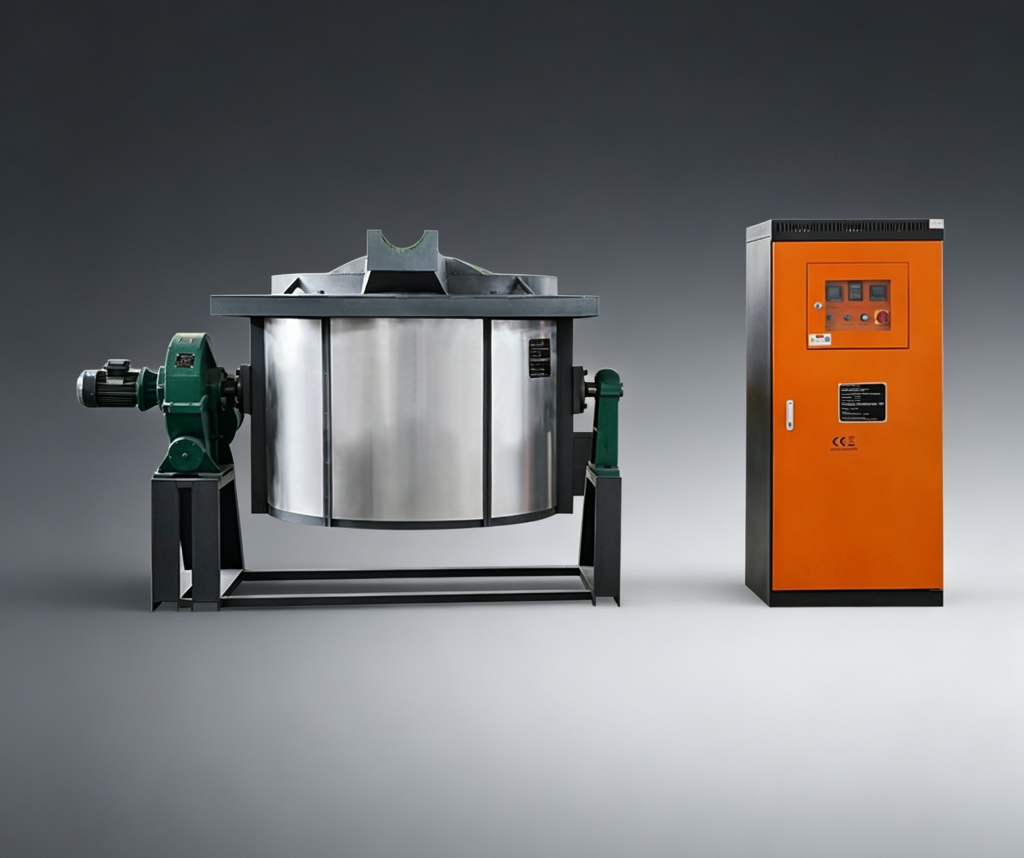
The performance of an aluminum melting furnace depends heavily on the selection of refractory materials. In industrial applications, commonly used materials include:
These materials differ significantly in silicon content, corrosion resistance, and thermal conductivity, which directly affects molten aluminum impurity control.
| Material | Silicon Content | Thermal Conductivity | Cost Level | Industrial Effect |
|---|---|---|---|---|
| Fire clay brick | High | Low | Low | Higher contamination risk |
| High alumina brick | Low | Medium | Medium | Balanced performance |
| Magnesia brick | Very low | High | High | Best purity protection |
From a production perspective, the key decision is not cost alone, but the risk of contamination versus thermal efficiency.
A complete furnace insulation for aluminum melting system typically includes:
The main role of these materials is to reduce heat loss and improve furnace thermal insulation efficiency, which directly affects energy consumption per ton of aluminum.
In practice, poor insulation design can increase energy cost by 10–25 percent, making insulation optimization a major cost-control factor in long-term operation.
A scientifically designed aluminum furnace lining material system must balance three factors:
Ignoring any one factor often leads to either product quality failure or excessive operational cost.
In the smelting of aluminum and aluminum alloys, all furnaces must provide effective thermal insulation while performing various process operations. Furnace lining materials include refractory clay bricks, high-alumina bricks, and magnesia bricks; insulation materials include insulating bricks, insulating fillers, and asbestos boards. For melting furnaces and holding furnaces, to ensure the quality of the molten aluminum, the molten pool section of the furnace chamber should use high-alumina bricks or magnesia bricks with the lowest possible silica content; that is, the lining below the furnace door should consist of high-quality high-alumina bricks or magnesia bricks. High-alumina bricks and magnesia bricks have higher thermal conductivity than refractory clay bricks and are also slightly more expensive.
This section is the most critical part of an aluminum melting furnace, because it is in direct contact with molten aluminum.
If incorrect materials are used here, the following issues occur:
If correct materials are used:
This is why high alumina brick and magnesia brick are standard choices for this zone.
Considering thermal insulation performance and the need to reduce production costs, the section of the furnace chamber above the melt pool should use refractory clay bricks with a higher silica content; that is, the lining above the lower edge of the furnace door should consist of refractory clay bricks.
This zone is not in direct contact with molten aluminum, so the design focus shifts from purity protection to cost efficiency and insulation balance.
Using fire clay bricks here provides:
This structure is widely used in modern aluminum furnace refractory lining design because it optimizes both cost and performance.
Refractory clay bricks may be used for the linings of all other furnaces.
This standardization simplifies maintenance and reduces spare part complexity, which is important for long-term aluminum furnace maintenance best practices.
During furnace management and operation, safety precautions and other considerations are the same as those required for refining and stirring.
From an engineering standpoint, stable operation is essential to maintain both lining life and melt quality.
Key operational principles include:
Proper aluminum furnace maintenance best practices can extend furnace service life by 20–40 percent and significantly improve operational stability.
For newly built, overhauled, or moderately repaired furnaces, although the furnace lining is flushed with molten aluminum before production begins to reduce contamination of the melt, complete elimination of contamination is not possible. Therefore, during the initial period of use, there remains a possibility of increased silicon content in the molten aluminum.
This issue is mainly caused by:
This is a common challenge in aluminum melting furnace operation.
During the smelting of the first few batches, liquid primary aluminum with a lower silicon content should be selected for charging.
This approach helps:
In this regard, primary aluminum smelters have an advantage over aluminum processing plants that use solid charge materials.
Plants using molten aluminum from electrolytic production benefit from:
This gives them a clear advantage in aluminum melting in electrolytic plant operations.
In the production of aluminum and aluminum alloys, this advantage of primary aluminum smelters should be fully leveraged.
Doing so improves:
The performance of an aluminum melting furnace depends fundamentally on the correct selection of aluminum furnace lining material and insulation system design.
A scientifically optimized structure includes:
At the same time, controlling silicon contamination in molten aluminum during early furnace operation is essential for ensuring stable production quality.
Ultimately, proper design and operation lead to:
The most important factor is preventing silicon contamination in molten aluminum, especially in the molten pool contact zone.
Because it increases cost significantly without improving performance in non-critical zones. A zoned structure is more efficient.
Poor furnace insulation for aluminum melting can increase energy consumption by 10–25 percent.
By following proper aluminum furnace maintenance best practices, including temperature control and lining inspection.
Due to unstable refractory conditions and residual impurities during early operation stages.
If you are planning to upgrade or design an aluminum melting furnace, we can help you with:
Contact us to get a tailored solution for your production line.
Introduction Selecting the right furnace capacity is not just a sizing exercise—it directly affects production efficiency, metal quality, energy consumption,…
Importance of Temperature Control in Melting Furnaces Once the prepared charge has been loaded into the furnace, the temperature of…
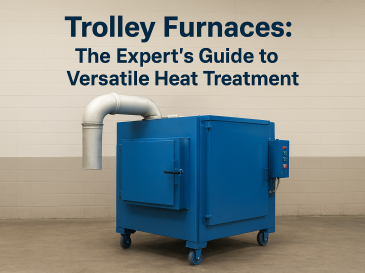
Discover how modern trolley furnaces enhance precision, efficiency, and safety in industrial heat treatment. Expert-reviewed guide with real testing insights, key features, and comparison tips.
An Introduction to Medium-Frequency Induction Furnaces Induction furnaces that operate at frequencies ranging from 150 to 10,000 hertz are referred…