Once the prepared charge has been loaded into the furnace, the temperature of the melting furnace must be strictly controlled. There are three main reasons for strictly controlling the furnace temperature: first, to meet the appropriate initial refining temperature requirements for various aluminum alloys; second, to meet the appropriate casting temperature requirements for various aluminum alloys; and third, to maintain a reasonable holding temperature in order to reduce oxidation losses on the surface of the molten aluminum.
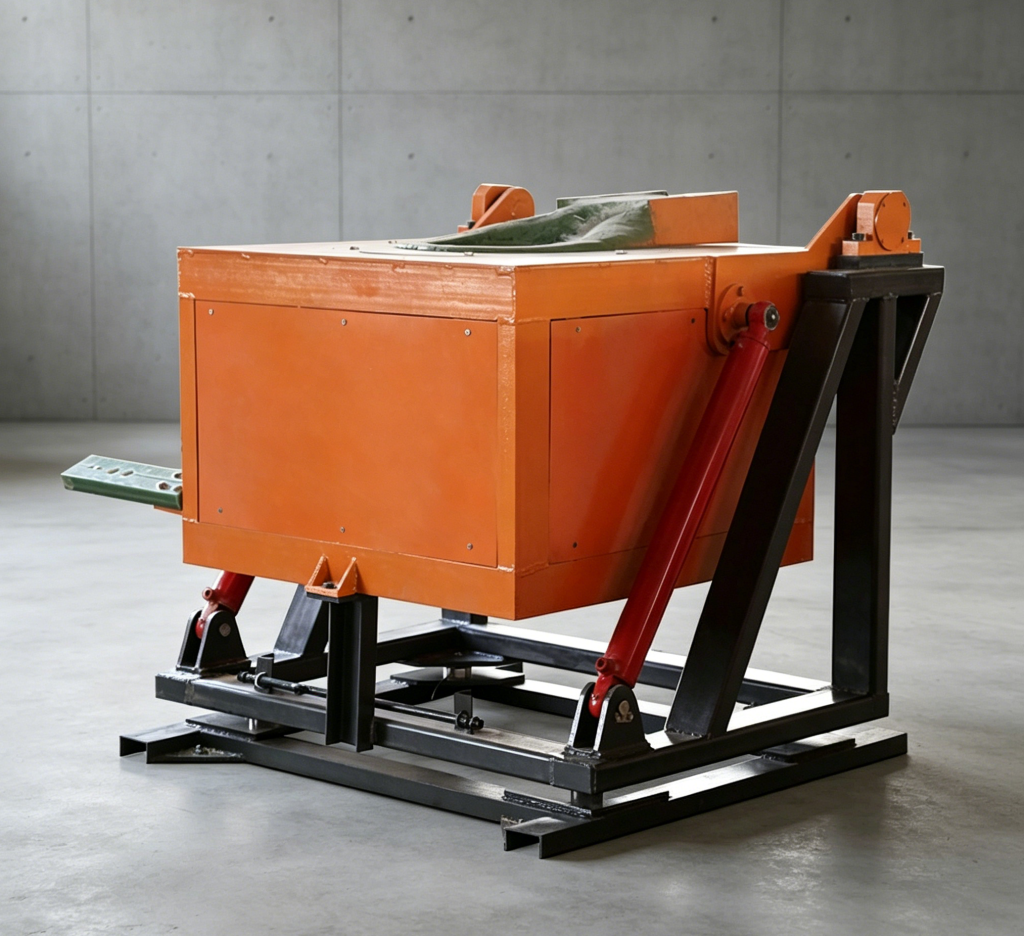
Before charging, the furnace chamber temperature must not be lower than 700°C.
Based on production practice, the melting temperature for wrought aluminum alloys is typically controlled within a range of 50–100°C above the alloy’s liquidus temperature.
For aluminum alloys such as 3A21, 2A70, and 2A80, which have a relatively high tendency to form primary compound crystals, the melting temperature is generally controlled between 720–760°C to ensure complete dissolution of alloying elements.
For eutectic 4xxx series aluminum alloys, when silicon is added in the form of master alloys or crystalline silicon, the melting temperature should be controlled between 750 and 780°C.
For other aluminum alloys, the temperature is generally controlled between 700 and 750°C.
In primary aluminum smelters, because the temperature of molten primary aluminum is very high, solid scrap should first be added to reduce the molten aluminum temperature to the upper limit of the melting range before introducing alloying charge materials.
Once the charge is complete, the molten aluminum temperature should first be measured—it must not be lower than 750°C—and the first refining operation should be performed.
When the furnace temperature drops to 730°C, perform slag skimming.
During the second refining, the refining temperature should not be lower than the upper limit of the casting temperature by 5°C.
The casting temperature varies depending on the product; for pure aluminum, the casting temperature is 690–710°C.
| Alloy Type | Melting Temperature (°C) |
|---|---|
| 3A21, 2A70, 2A80 | 720–760 |
| Other Alloys | 700–750 |
During furnace cleaning, the maximum furnace temperature is 850°C. After heating for a certain period, wait for the slag to soften before proceeding with cleaning.
During furnace drying, the temperature control range is wider, from 100°C to 980°C, with a holding time required at each temperature point.
In resistance-heated mixing furnaces, since the heating elements are generally positioned above the surface of the molten aluminum, heat transfer primarily occurs via radiation. The furnace control temperature is typically the furnace chamber temperature, which may vary depending on the location of the thermocouple.
In resistance-heated mixing furnaces, thermocouples are usually installed at the top of the furnace. The measured furnace chamber temperature is usually higher than the temperature of the molten aluminum. In production practice, this should be determined based on specific conditions.
In resistance-heated mixing furnaces, the heating power is typically adjustable. High power is used when high temperatures or rapid heating are required. During holding, low power is used; high power must never be used for heating. Otherwise, the frequency of switching the power on and off will be too high, which can easily damage electrical equipment.
Proper temperature control in an aluminum melting furnace is essential for ensuring alloy quality, process stability, and production efficiency. From preheating the furnace above 700°C to selecting precise melting temperatures based on alloy composition, every stage requires careful management.
Different aluminum alloys require specific temperature ranges to achieve complete melting and optimal metallurgical performance. At the same time, accurate control during refining process and casting temperature control plays a key role in improving final product quality and reducing defects. Maintaining a stable holding temperature in aluminum melting furnace can also effectively minimize oxidation loss and improve metal recovery rate.
In real production, factors such as thermocouple installation in furnace, furnace structure, and power control of resistance furnace directly affect temperature accuracy and heating efficiency. Choosing the right equipment and control system is therefore critical to achieving consistent and reliable results.
If you are looking to improve your melting efficiency or need guidance on selecting the right aluminum melting furnace, our team can provide professional solutions tailored to your production needs. Feel free to contact us for expert advice on furnace capacity selection, energy-saving upgrades, and customized furnace systems designed to optimize your operation.
1. Introduction In aluminum production, the performance of the aluminum melting furnace directly determines product quality, energy consumption, and overall…
1. Introduction Steel melting is a critical process in foundries, requiring precise temperature control, consistent power, and reliable equipment. Modern…
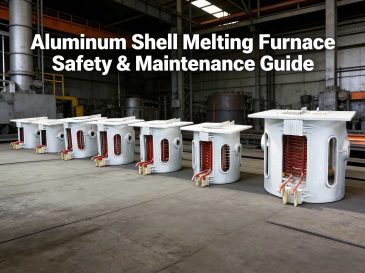
1.Purpose of the Guide In modern metal processing and recycling industries, the aluminum shell melting furnace plays a critical role…
Introduction In modern industrial processes, precise thermal management is essential for maintaining the performance and longevity of high-power equipment such…