1.Purpose of the Guide
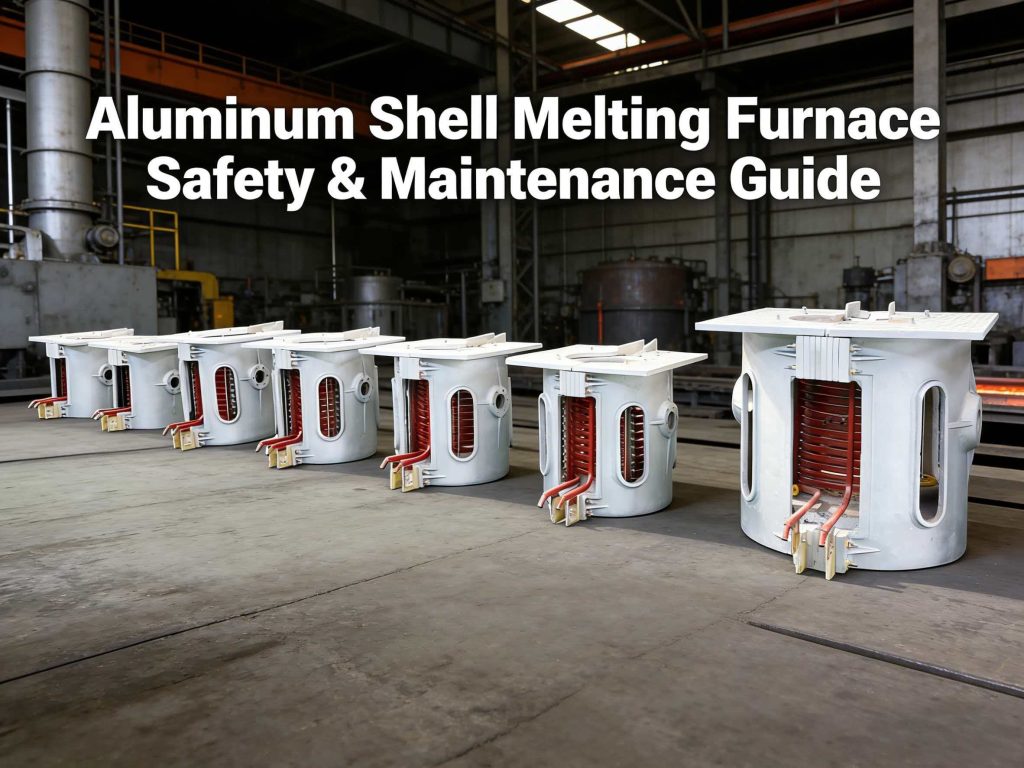
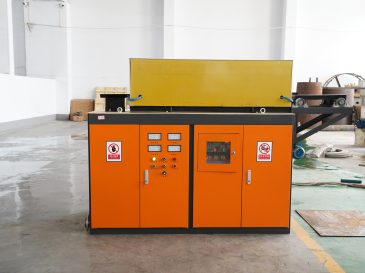
In modern metal processing and recycling industries, the aluminum shell melting furnace plays a critical role in ensuring stable production and cost efficiency. However, improper operation or inadequate maintenance can lead to serious consequences, including workplace accidents, reduced equipment lifespan, unstable melting performance, and costly unplanned downtime.
This guide provides a systematic overview of safe operation practices and maintenance strategies to help manufacturers:
- Improve operational safety
- Extend furnace service life
- Maintain consistent melting efficiency (typically 85–95% for well-maintained systems)
- Reduce maintenance and repair costs
Scope
This guide applies to standard industrial aluminum melting furnaces, including:
- Electric resistance aluminum melting furnace
- Gas-fired aluminum melting furnace
It covers the full lifecycle of furnace usage:
- Pre-operation preparation
- Standard operating procedures
- Molten metal handling
- Routine and periodic maintenance
Pre-Requisite Note
Before operating any furnace, all personnel must:
- Complete certified technical training
- Fully understand the manufacturer’s manual
- Wear complete industrial furnace PPE
2. Pre-Operation Safety Preparation (Mandatory Checks)
2.1 Personal Protective Equipment (PPE) Requirements
Proper PPE significantly reduces injury risks from molten aluminum, which can reach temperatures of 660°C–750°C (1220°F–1380°F) during operation.
Mandatory PPE:
- Heat-resistant gloves and apron
- Safety goggles or full face shield
- Flame-resistant workwear
- Non-slip, heat-resistant safety boots
- Respiratory protection (in environments with fumes or dust)
Prohibited attire:
- Loose clothing (risk of entanglement)
- Jewelry (heat conduction hazard)
- Synthetic fabrics (can melt under high temperature)
- Open-toed footwear
2.2 Worksite & Environment Safety Checks
A controlled environment is essential for safe furnace operation.
Key checks:
- Remove all flammable materials (oil, paper, solvents) within at least 1.5–2 meters of the furnace
- Ensure emergency exits remain unobstructed
- Verify fume extraction system is functioning properly (recommended airflow ≥ 0.5–1.0 m/s)
- Confirm availability of Class D fire extinguisher (specifically designed for metal fires)
2.3 Furnace Pre-Start Inspection
Before startup, conduct a full inspection:
Electrical system:
- Check wiring insulation, connectors, and control panels
- Ensure no overheating or loose connections
- Test emergency stop system response time
Gas/fuel system (if applicable):
- Inspect pipelines and valves for leaks
- Check burner condition and ignition system
- Verify gas detection alarms are operational
Furnace structure:
- Inspect refractory liner for cracks or wear
- Check furnace shell for deformation
- Ensure lid sealing integrity
Auxiliary systems:
- Calibrate pyrometer temperature measurement system
- Test stirring devices and lifting mechanisms
- Inspect ladles for structural integrity
3. Standard Safe Operation Rules (Step-by-Step)
3.1 Furnace Start-Up Protocol
Proper startup directly impacts refractory lifespan and energy efficiency.
- Follow graded heating procedure (typically 50–100°C/hour ramp-up)
- Avoid rapid heating to prevent refractory cracking
- Monitor for abnormal:
Immediate shutdown is required if abnormalities occur.
3.2 Aluminum Melting & Holding Operation Rules
Charging specifications:
- Use dry, clean aluminum materials
- Moisture content must be <0.1% to prevent explosion risk
- Strictly prohibit sealed or oily scrap
Charging method:
- Load materials slowly and evenly
- Avoid dropping scrap from height
Temperature control:
- Maintain optimal melting temperature: 700–750°C
- Overheating (>800°C) leads to:
- Increased oxidation loss (up to 3–5%)
- Reduced metal quality
- Higher energy consumption
Operator discipline:
- Never leave furnace unattended
- Avoid unauthorized parameter changes
- Maintain safe distance from furnace opening
3.3 Molten Metal Handling & Pouring Safety
Molten aluminum handling is one of the highest-risk stages.
- Use preheated ladles (typically 200–300°C)
- Inspect for cracks before use
- Ensure stable lifting and controlled pouring speed
Critical safety rules:
- Keep non-essential personnel away from pouring area
- Avoid sudden movements
- Never allow water contact with molten aluminum
Emergency splashing response:
- Evacuate immediately
- Isolate area
- Use appropriate fire suppression methods (never water)
3.4 Furnace Shutdown Procedure
A controlled shutdown protects equipment integrity.
- Gradually reduce temperature (controlled cooling rate)
- Cut off power or fuel supply after cooling
- Close furnace lid to prevent contamination
Post-shutdown tasks:
- Remove slag and residues
- Record operational data
- Inspect for wear or damage
4. Routine Maintenance Tips
4.1 Daily Maintenance (After Each Shift)
- Remove slag and aluminum residues
- Clean furnace chamber and external surfaces
- Inspect for:
- Overheating
- Abnormal noise
- Leakage
Maintain a daily furnace operation log for tracking issues.
4.2 Weekly Maintenance
- Tighten electrical and mechanical connections
- Inspect heating elements in electric furnace or burner nozzles
- Calibrate temperature control instruments (accuracy ±5°C recommended)
4.3 Monthly & Quarterly Maintenance
- Repair minor damage in refractory lining system
- Lubricate moving components (hinges, stirrers)
- Test:
- Safety interlocks
- Alarm systems
- Emergency shutdown functions
- Inspect furnace shell for corrosion or deformation
4.4 Long-Term Periodic Overhaul (Annual/Biannual)
- Replace worn refractory lining (typical lifespan: 1–3 years)
- Overhaul electrical control systems
- Inspect and service fuel pipelines
- Conduct full industrial furnace performance testing
5. Emergency Handling & Accident Prevention
Common risks:
- Molten aluminum splashing
- Furnace fire
- Refractory failure
- Power or gas supply interruption
Standard response procedures:
- Immediate evacuation
- Activate alarm systems
- Use appropriate fire extinguishing equipment
Strictly prohibited actions:
- Using water on molten aluminum
- Forced cooling of hot furnace
- Unauthorized equipment disassembly
6. Conclusion & Best Practices Summary
Safe and efficient operation of an aluminum shell melting furnace depends on three core principles:
1. Training First
Operators must fully understand industrial furnace safety procedures before operation.
2. Strict Operational Discipline
Follow standardized procedures for charging, melting, and pouring.
3. Preventive Maintenance
Regular furnace maintenance schedule significantly reduces:
- Equipment failure rates
- Energy consumption (can improve efficiency by 10–20%)
- Unexpected downtime
Final Reminder:
Always prioritize safety over production speed. Proper operation and maintenance not only protect personnel but also maximize long-term equipment value and production stability.