With the rapid development of the forging, rolling, and metal processing industries, manufacturers increasingly require heating equipment that delivers high efficiency, precise temperature control, and stable production performance. Heating is a critical stage in metal forming processes, directly affecting material plasticity, forging quality, and production efficiency.
Traditional heating methods such as gas furnaces and resistance furnaces are gradually being replaced due to several limitations:
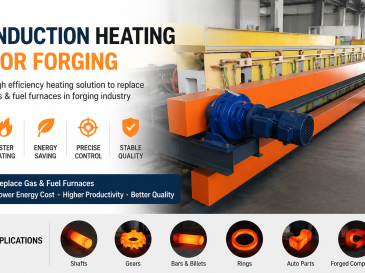
As energy costs continue to rise and environmental regulations become stricter, more manufacturers are adopting metal induction heating furnaces in modern production lines. Induction heating technology provides faster heating, better temperature control, and significantly improved energy efficiency compared with traditional furnaces.
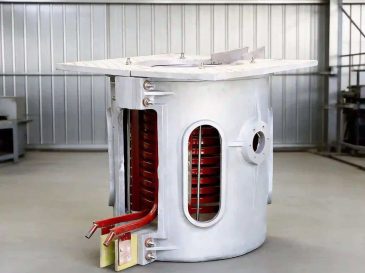
A metal induction heating furnace is an industrial heating device that uses electromagnetic induction to heat metal workpieces. When alternating current flows through the induction coil, it generates a changing magnetic field. This magnetic field induces eddy currents inside the metal, causing the material to heat rapidly.
Key characteristics include:
Typical heating temperature range:
200°C – 1300°C
Because of these advantages, induction heating furnaces are widely used in forging plants, rolling mills, pipe manufacturing facilities, and metal component production lines.
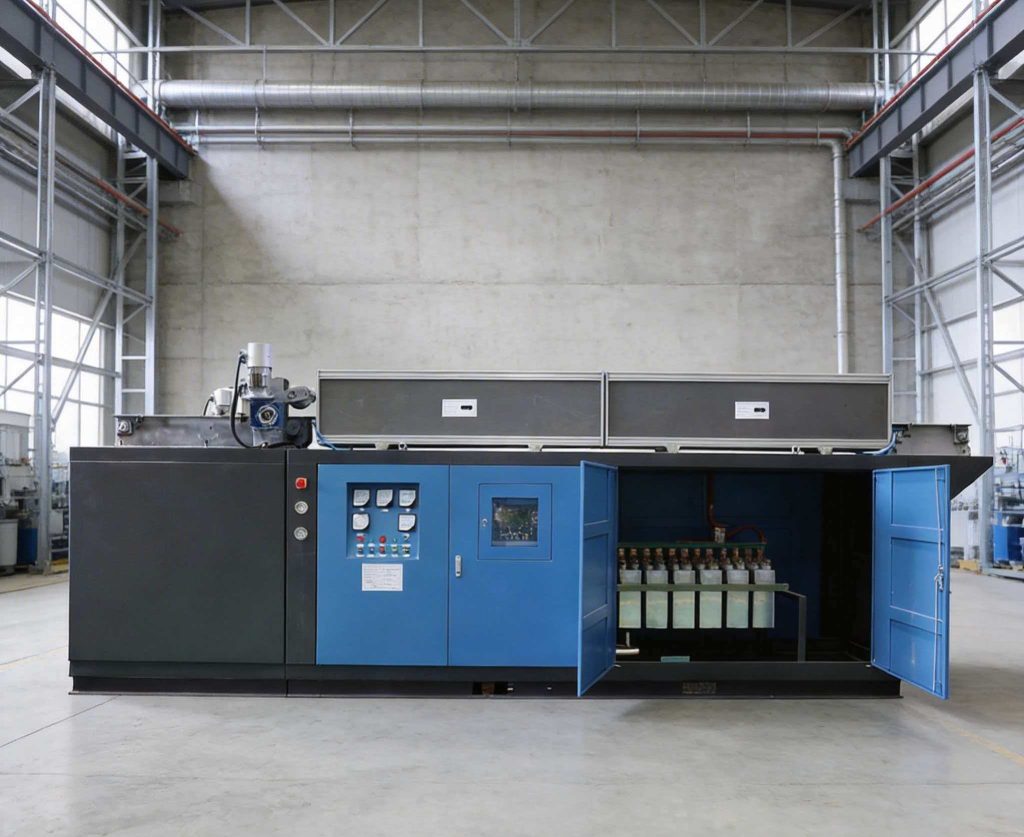
Understanding the main technical parameters is essential for selecting the right equipment. Capacity, power, temperature range, and energy consumption all play crucial roles in determining furnace performance and suitability for specific production requirements.
Furnace capacity refers to the amount of metal that can be heated per hour. It determines the production throughput of the heating system and must match the factory’s manufacturing capacity.
Typical capacity ranges include:
| Capacity | Application |
|---|---|
| 0.5 – 1 ton/hour | Small forging workshops |
| 1 – 3 tons/hour | Medium forging plants |
| 3 – 5 tons/hour | Industrial production |
| 5 – 10 tons/hour | Large automated production lines |
The appropriate capacity depends on several factors:
Selecting a furnace with insufficient capacity can cause production bottlenecks, while excessive capacity may increase investment and operating costs.
Furnace power directly affects heating speed, production efficiency, and temperature stability. Higher power enables faster heating and supports higher production capacity.
Typical power configurations include:
| Capacity | Power |
|---|---|
| 0.5 ton/hour | 200 – 300 kW |
| 1 ton/hour | 300 – 500 kW |
| 3 ton/hour | 800 – 1200 kW |
| 5 ton/hour | 1500 – 2500 kW |
| 10 ton/hour | 3000 – 5000 kW |
Higher power generally provides:
However, the power configuration must also match the plant power supply conditions and cooling system capacity.
Metal induction heating furnaces can operate within a wide temperature range depending on the heating process and material type.
Typical working temperatures include:
| Heating Process | Temperature |
|---|---|
| Pre-forging heating | 900 – 1200°C |
| Hot rolling heating | 1000 – 1250°C |
| Pipe bending | 850 – 1100°C |
| Heat treatment | 200 – 900°C |
Maximum heating temperature:
Up to 1300°C
Accurate temperature control is critical because excessive temperatures can cause metal oxidation or grain growth, while insufficient temperatures may result in poor forging quality.
Modern induction heating furnaces are equipped with automatic temperature control systems, infrared temperature sensors, and programmable heating curves to ensure consistent heating results.
Energy consumption is one of the most important factors for industrial buyers because it directly affects long-term operating costs.
Typical energy consumption of metal induction heating furnaces:
≈ 380 kWh per ton of heated metal
Comparison with traditional heating methods:
| Furnace Type | Energy Consumption |
|---|---|
| Gas furnace | 550 – 700 kWh / ton |
| Resistance furnace | 480 – 600 kWh / ton |
| Induction heating furnace | ≈ 380 kWh / ton |
Energy savings can reach:
20% – 40%
Lower energy consumption not only reduces electricity costs but also decreases the overall carbon footprint of the production process.
Metal induction heating furnaces are widely used across multiple metal processing industries due to their efficiency and precision.
Pre-forging heating is one of the most common applications. Before forging, metal billets must be heated to a specific temperature to improve plasticity and reduce deformation resistance.
Typical forged components include:
Uniform heating ensures consistent forging quality and reduces material waste.
Induction heating furnaces are widely integrated into automated production lines.
Common applications include:
Because induction heating is fast and controllable, it is ideal for continuous manufacturing environments.
Another important advantage of induction technology is localized heating.
Typical applications include:
Local heating concentrates energy only where it is needed, which significantly improves energy efficiency and process accuracy.
Selecting the right equipment requires evaluating several technical and operational factors.
The first step is to determine:
These parameters help determine the appropriate furnace capacity and power configuration.
Energy cost is a long-term operational expense for any manufacturing plant.
Choosing high-efficiency induction heating equipment can significantly reduce electricity consumption and improve overall production economics.
Temperature stability plays a critical role in product quality.
Stable heating ensures:
Modern induction heating furnaces typically include advanced digital temperature control systems and automated process monitoring.
Before purchasing equipment, manufacturers should evaluate installation conditions, including:
Many modern induction furnaces are designed with:
This makes them suitable for both new factories and production line upgrades.
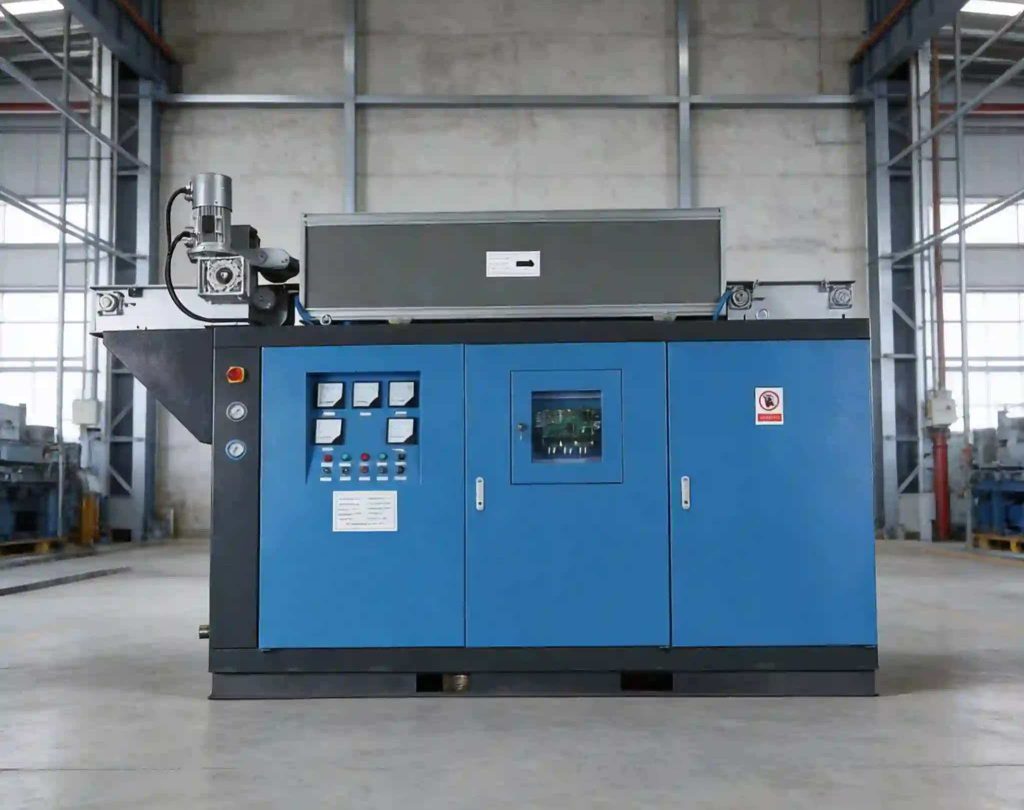
Our metal induction heating furnaces are specifically designed for modern metal processing plants and offer several advantages:
These advantages help manufacturers:
A forging factory required new heating equipment for producing gears and bearings.
Equipment configuration:
After installation of the induction heating furnace:
This upgrade allowed the factory to expand production while reducing operating costs.
Based on industry experience, buyers should pay attention to several important factors when purchasing an induction heating furnace:
A well-selected furnace can operate efficiently for many years and significantly improve manufacturing productivity.
A reliable equipment supplier should offer comprehensive services throughout the entire project lifecycle.
Custom furnace design according to:
Professional engineers provide:
Long-term technical support including:
Reliable after-sales service ensures stable equipment performance and long equipment lifespan.
Selecting the right metal induction heating furnace requires careful consideration of several factors, including capacity, power configuration, heating temperature range, and energy consumption.
Compared with traditional heating equipment, induction heating furnaces provide:
With these advantages, induction heating technology has become an essential solution for modern metal processing industries.
For manufacturers planning to upgrade their heating equipment or build a new production line, choosing a reliable induction furnace supplier is a key step toward improving productivity, reducing energy costs, and ensuring long-term production stability.
Choosing the right metal induction heating furnace requires technical evaluation based on your production capacity, workpiece size, heating temperature, and factory layout. Our engineering team has extensive experience in designing customized induction heating systems for forging plants, rolling mills, and metal processing factories worldwide.
If you are planning to purchase or upgrade your heating equipment, we can provide:
Our engineers will recommend the most suitable furnace capacity, power configuration, and heating solution based on your production requirements.
Contact us today to get expert advice and a customized solution for your metal heating production line. Our team will respond quickly with professional technical support and project guidance.
I. Introduction: Why Choosing the Right Aluminum Shell Melting Furnace Matters As demand for aluminum products continues to grow across…
1.Purpose of the Guide In modern metal processing and recycling industries, the aluminum shell melting furnace plays a critical role…
Introduction In modern forging production, heating quality directly determines material plasticity, forging accuracy, and defect rate. Traditional combustion-based heating methods…
I. Introduction: Why Choosing the Right Aluminum Shell Melting Furnace Matters As demand for aluminum products continues to grow across…