As demand for aluminum products continues to grow across industries such as automotive, construction, packaging, and electronics, foundries and recycling plants increasingly rely on efficient melting technology. Selecting the right furnace is no longer simply an equipment decision—it directly affects production efficiency, energy consumption, and long-term operating costs.
Among modern melting technologies, aluminum shell induction melting furnaces have become one of the most widely used solutions for aluminum and non-ferrous metal processing. Their advantages include fast melting speed, precise temperature control, and cleaner operation compared with traditional fuel-based systems.
However, many buyers encounter difficulties when selecting a furnace. They often struggle to compare different configurations, understand energy consumption data, or match equipment capacity with production needs. Choosing the wrong furnace can result in higher electricity costs, inefficient production cycles, or frequent maintenance issues.
This guide explains the key factors to consider when purchasing an aluminum shell melting furnace, helping buyers make informed decisions and avoid common mistakes.
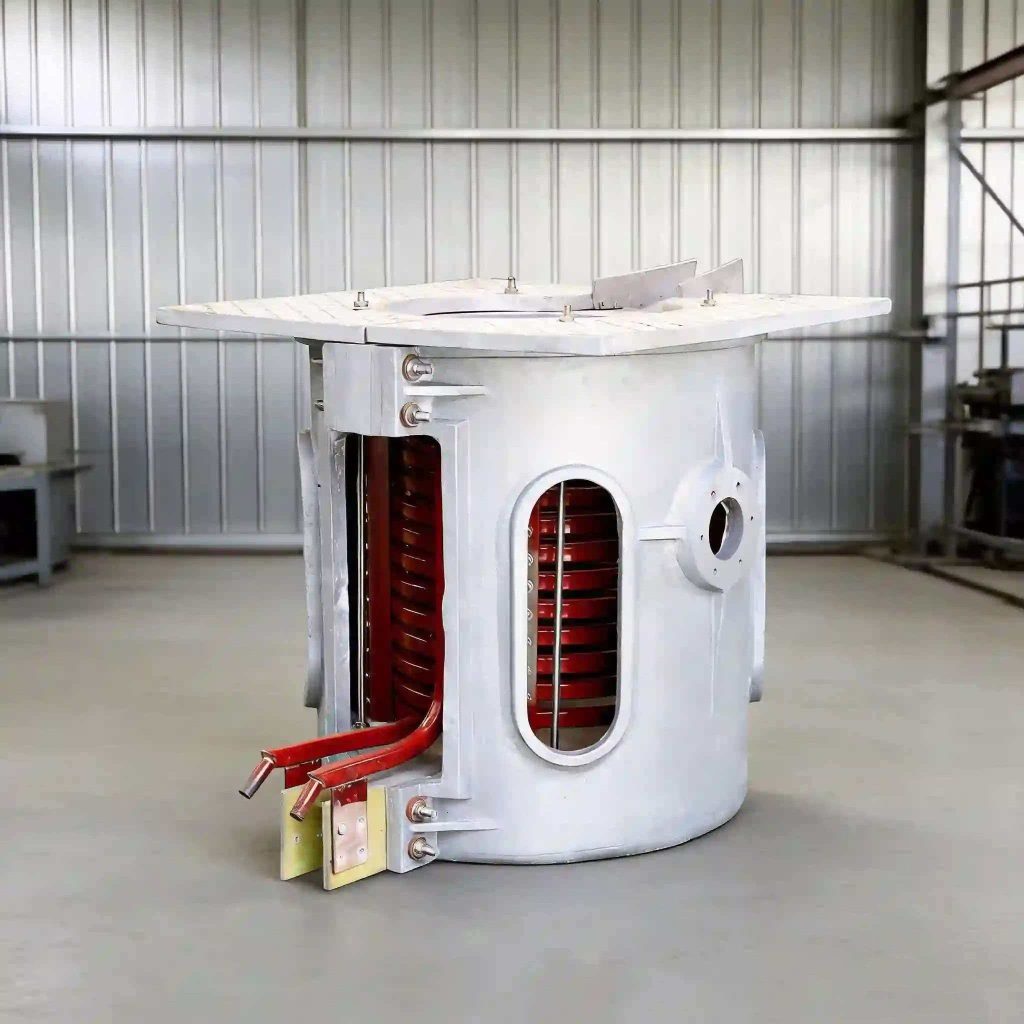
The first step in selecting a furnace is determining the required melting capacity. This depends on daily production targets, casting cycle times, and the type of aluminum material being processed.
Typical capacity configurations for induction aluminum melting furnaces include:
| Furnace Capacity | Typical Application |
|---|---|
| 0.1 – 0.5 ton | Small workshops, laboratory use |
| 1 – 3 tons | Medium aluminum casting plants |
| 5 – 10 tons | Industrial aluminum foundries |
| 10 – 20 tons | Large-scale smelting operations |
Modern medium-frequency induction furnaces can achieve melting cycles of approximately 40–60 minutes per furnace, allowing plants to maintain continuous or semi-continuous production.
When determining furnace size, buyers should consider several key questions:
Purchasing a furnace that is too small may limit future production capacity, while oversizing equipment can increase investment and operating costs.
Typical operating parameters for modern aluminum induction melting furnaces include:
| Parameter | Typical Range |
|---|---|
| Power supply | 200 kW – 3000 kW |
| Furnace capacity | 0.1 ton – 20 tons |
| Melting temperature | 750 – 900°C |
| Melting time | 40 – 60 minutes |
| Electricity consumption | 500 – 650 kWh/ton |
These parameters may vary depending on furnace configuration, coil design, and raw material quality.
Several technologies are commonly used in aluminum melting. The most common include induction furnaces, gas furnaces, and resistance furnaces.
| Furnace Type | Advantages | Disadvantages |
|---|---|---|
| Induction furnace | Fast melting, clean process, high efficiency | Higher initial investment |
| Gas furnace | Lower equipment cost | Higher fuel consumption |
| Resistance furnace | Simple structure | Slow heating |
Compared with traditional furnaces, induction melting technology provides faster heating, more stable temperature control, and significantly reduced oxidation loss.
Many foundries prefer aluminum shell induction furnaces because they offer several operational advantages:
These advantages make induction furnaces particularly suitable for aluminum casting plants and recycling facilities.
Energy consumption is one of the largest operating expenses in metal melting. Even small improvements in efficiency can significantly reduce production costs over time.
For facilities operating continuously, electricity usage directly affects the profitability of the entire metal melting production line.
| Furnace Type | Energy Consumption |
|---|---|
| Aluminum shell induction furnace | 500–650 kWh/ton |
| Gas furnace | Higher fuel consumption |
| Resistance furnace | Lower efficiency |
Because medium-frequency induction furnaces use electromagnetic induction to heat the metal directly, they typically achieve higher thermal efficiency than traditional fuel-based furnaces.
Several technical factors influence the overall energy efficiency of a furnace:
A well-designed induction furnace power supply system can significantly reduce electricity consumption per ton of metal.
One of the major benefits of aluminum shell induction furnaces is their compact and lightweight structure. Compared with heavy steel-shell furnaces, aluminum shell designs are easier to install and maintain.
Typical structural components include:
For furnaces below 5 tons, cast aluminum alloy shells with reducer-based tilting mechanisms provide a simple and cost-effective solution.
For larger furnaces, steel shell induction furnaces with hydraulic tilting systems and magnetic yoke shielding layers offer higher structural strength and stability.
When planning installation, factories should allocate sufficient space for the entire induction furnace melting system, including:
Proper layout planning improves operational safety and maintenance efficiency.
A furnace is a long-term industrial investment that may operate continuously for many years. Reliable technical support is therefore critical when selecting a supplier.
Professional manufacturers of induction melting equipment typically provide installation guidance, technical training, and ongoing maintenance services.
Before purchasing a furnace, buyers should confirm whether the supplier provides:
Reliable service ensures the long-term stability of the induction furnace melting process.
Some buyers focus only on the initial purchase price. However, lower-cost equipment often consumes more electricity and requires frequent maintenance.
Over time, inefficient furnaces can significantly increase operating costs.
The furnace shell plays an important structural role in the induction melting furnace system. Poor material quality may lead to corrosion, deformation, or reduced operational stability.
Selecting equipment with insufficient capacity may restrict future production growth. It is usually advisable to plan for moderate capacity expansion when designing a metal melting production line.
Our medium-frequency aluminum shell melting furnace is designed to provide high efficiency, stable operation, and easy maintenance.
The furnace series covers capacities from 0.1T to 20T, making it suitable for small workshops as well as large industrial foundries.
Typical melting cycles range from 40 to 60 minutes per furnace, allowing efficient batch production.
The furnace is equipped with a comprehensive induction furnace safety monitoring system, including:
In addition, the system includes a furnace leakage alarm and a melting management system, ensuring safe and stable operation.
The equipment features PLC intelligent control systems, enabling automated monitoring and simplified operation.
The modular electrical cabinet and wiring follow automotive wiring standards, ensuring reliable performance and easy maintenance.
The cooling system uses carbon-free hoses, while all manifolds and clamps are made of 304 stainless steel, improving durability and corrosion resistance.
The furnace can operate 24 hours continuously, helping factories reduce energy costs and labor expenses.
A medium-sized aluminum casting plant installed two 3-ton aluminum shell induction furnaces as part of its aluminum casting production line.
Results included:
A scrap aluminum recycling facility upgraded its equipment from gas furnaces to induction aluminum melting furnaces.
After the upgrade, the plant achieved:
Selecting the right aluminum shell melting furnace requires careful evaluation of several key factors:
A properly selected furnace can significantly improve melting efficiency, reduce operating costs, and ensure long-term production stability.
If you are planning to invest in an aluminum shell induction melting furnace, our engineering team can help you:
Contact us today to receive a customized furnace solution and improve your metal melting efficiency.
I. Introduction: The Role of Aluminum Shell Melting Furnaces in Modern Metal Processing 1.1 Growing Demand for Efficient Metal Melting…
1. Why Choosing the Right Metal Induction Heating Furnace Is Important 1.1 Growing Demand for Efficient Metal Heating Equipment With…
A Complete Guide to Efficient Aluminum Production Industrial aluminum melting furnaces are essential equipment in modern aluminum casting and recycling…
1. Industry Background 1.1 Industry Pain Points Driven by strict global environmental regulations and rising energy costs, the aluminum foundry…