Industrial aluminum melting furnaces are essential equipment in modern aluminum casting and recycling operations. They allow foundries to efficiently melt large quantities of aluminum while maintaining precise temperature control, consistent metal quality, and high energy efficiency. Understanding the different types, working principles, and applications of these furnaces is crucial for anyone involved in aluminum production.
An industrial aluminum melting furnace is a specialized machine designed to melt aluminum for casting or recycling purposes. Unlike small-scale or laboratory furnaces, industrial furnaces are capable of handling large volumes of aluminum efficiently. They are widely used in metal foundries, recycling facilities, and large-scale aluminum processing plants.
The main goal of these furnaces is to convert solid aluminum into molten metal safely and efficiently, minimizing metal loss and maintaining high quality. Depending on the furnace type, operators can also achieve precise control over temperature and melting speed, which is critical for casting applications.
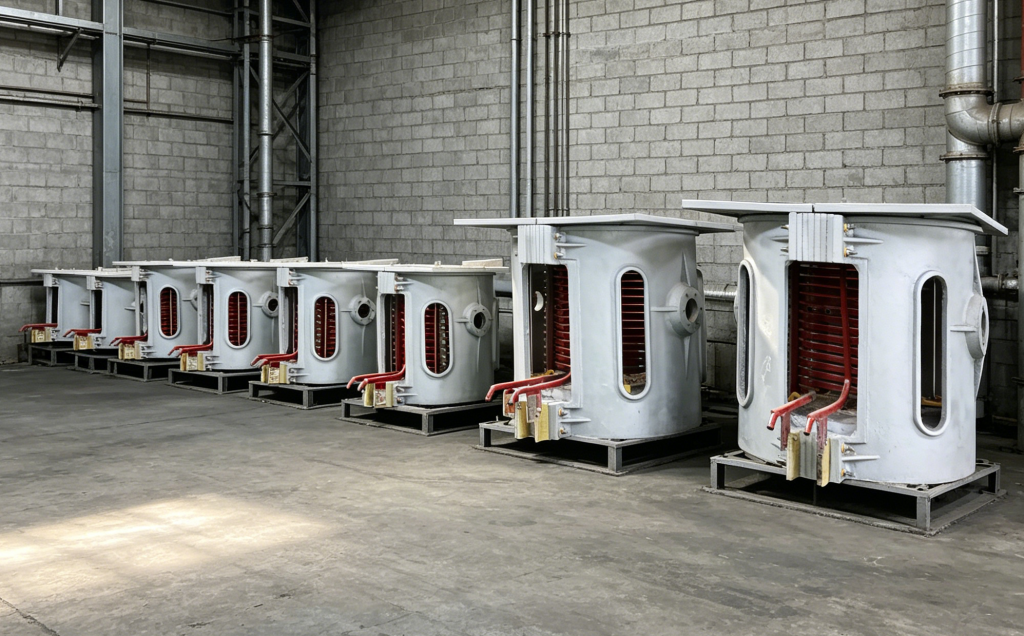
Industrial aluminum melting furnaces can operate using different heating methods. The most common types include:
Induction furnaces use electromagnetic induction to generate heat directly inside the aluminum. A high-frequency alternating current passes through a coil surrounding the furnace crucible, creating a magnetic field. This field induces eddy currents in the aluminum, causing it to heat up rapidly and melt.
Advantages of induction furnaces:
Gas-fired or electric resistance furnaces use direct heat transfer to melt aluminum. These furnaces are generally simpler and less expensive than induction furnaces but may be less efficient and slower in large-scale production.
Key components of an industrial furnace typically include:
When evaluating an industrial aluminum melting furnace, there are several critical features that make the equipment efficient and reliable:
Industrial aluminum melting furnaces are widely used in various aluminum processing scenarios, such as:
Using a high-quality industrial furnace ensures higher metal yield, better energy efficiency, and improved safety during operations.
Selecting the appropriate industrial aluminum melting furnace depends on several factors:
we provide industrial aluminum melting furnaces with global export experience, on-site technical support, and complete spare parts services to ensure your operations run smoothly.
An industrial aluminum melting furnace is a cornerstone of efficient aluminum production. By understanding the types, working principles, and key features, foundries and aluminum processing companies can improve productivity, reduce energy consumption, and ensure high-quality output.
For customized solutions or inquiries about our industrial aluminum melting furnaces, contact us today and let our experts help you choose the right equipment for your needs.
Improving casting quality is one of the most common challenges in metal casting and aluminum casting production. Whether you are…
1. Aluminum Furnace in Modern Production In modern aluminum processing, the performance of an aluminum furnace directly determines metal recovery…
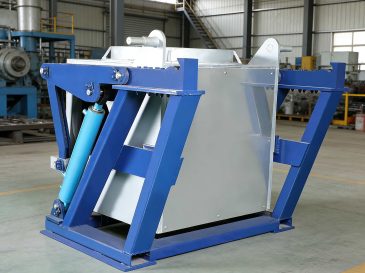
1. Introduction In today’s highly competitive metal processing industry, the stainless steel melting furnace stands at the core of efficient…
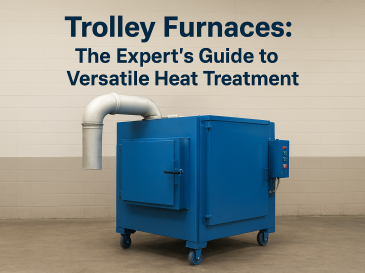
Discover how modern trolley furnaces enhance precision, efficiency, and safety in industrial heat treatment. Expert-reviewed guide with real testing insights, key features, and comparison tips.