Steel melting is a critical process in foundries, requiring precise temperature control, consistent power, and reliable equipment. Modern steel melting induction furnaces are engineered to meet these requirements, providing faster melting, higher energy efficiency, and improved product quality compared to traditional fuel-based furnaces.
By leveraging electromagnetic induction heating, these furnaces enable uniform and controlled heating, making them ideal for foundries producing stainless steel, low-magnetic alloys, or custom steel grades. This article explains why choosing a steel melting induction furnace can significantly enhance operational efficiency and product consistency.
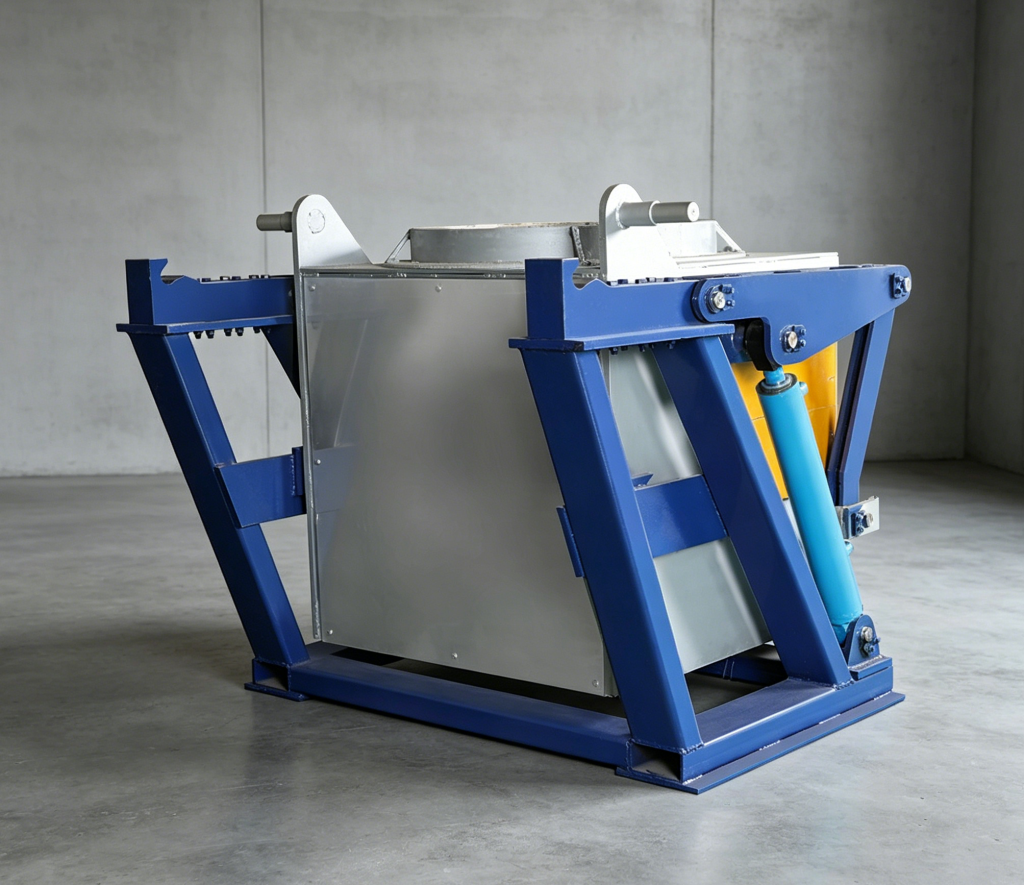
A steel melting induction furnace works by generating a high-frequency electromagnetic field that heats steel directly. Unlike conventional furnaces, it does not rely on combustion, which reduces energy waste and emissions.
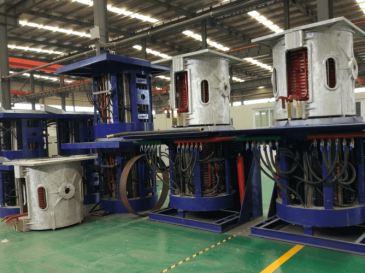
Modern induction furnaces are available in various models, with capacities ranging from 0.5 tons to 5 tons, making them suitable for both medium-scale and large-scale steel foundries. The furnaces are particularly beneficial for facilities that require precise control of melting temperature and alloy composition.
These furnaces achieve a melting speed of 30–100 minutes per batch, depending on the capacity. Faster melting cycles allow foundries to increase throughput while reducing energy consumption, ultimately lowering production costs.
Designed for simplicity, the furnace can be installed by simply connecting it to power and water, with no dedicated installation services required. For more automated operations, a melting control system can be added to monitor and adjust temperature, power, and alloy composition in real-time.
Equipped with a self-diagnosis system, the furnace continuously monitors water temperature, water pressure, overcurrent, overvoltage, and phase loss. This ensures that potential faults are detected early, maintaining safe and stable operations even in demanding environments.
With a modular electrical cabinet design and split models, the furnace can operate reliably in high-temperature, corrosive, or dusty environments, where traditional equipment may struggle. Minimal wearing parts reduce maintenance needs and operational interruptions.
| Feature | Specification | Industry Benefit |
|---|---|---|
| Capacity | 0.5T – 5T | Adaptable for small to medium steel foundries |
| Melting Time | 30–100 minutes per batch | Faster production, higher throughput |
| Installation | Plug-and-play (connect to power & water) | Simplifies setup, reduces downtime |
| Control System | Optional melting control system | Precise control of temperature and alloy composition |
| Safety & Monitoring | Self-diagnosis for water temp, pressure, overcurrent | Enhances operational safety |
| Design | Modular electrical cabinet, split models | Reliable in harsh environments, minimal maintenance |
These furnaces are ideal for:
Benefits for adopting a steel melting induction furnace include:
Using a steel melting induction furnace allows foundries to optimize processes, reduce energy use, and achieve consistent product quality—key factors in modern competitive markets.
Q1: Can the furnace melt all types of steel?
Yes. These furnaces are suitable for stainless steel, low-magnetic alloys, and most common steel grades. Adjustable power and optional control systems ensure consistent results for specialty steels.
Q2: How long does it take to melt steel?
Depending on the furnace capacity, melting times range from 30 to 100 minutes per batch.
Q3: Do I need professional installation?
No. The furnace can be installed by connecting to power and water. Optional control systems can be added for automated operations.
Q4: Can the furnace operate in harsh industrial environments?
Yes. Split models and modular electrical cabinets enable operation in high-temperature, corrosive, and dusty conditions, with minimal maintenance requirements.
For more information about steel melting induction furnaces or to request a customized solution for your foundry, contact our sales team today. Our experts can help you select the right model, optimize production efficiency, and implement precise melting solutions tailored to your operations.
Importance of Temperature Control in Melting Furnaces Once the prepared charge has been loaded into the furnace, the temperature of…
What Is the Stainless Steel Melting Point? The stainless steel melting point refers to the temperature range at which stainless…
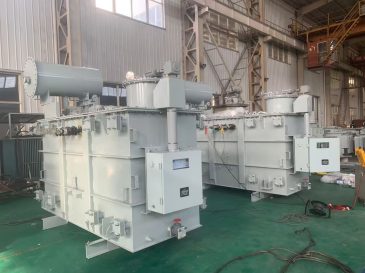
In today’s industrial and energy-intensive environments, reliable power distribution is critical. Transformers are essential for converting AC voltage levels to…
The Advantages of the Intermediate Frequency Melting Furnace In the modern metallurgical and metal casting industries, choosing the right furnace…