In modern metal recycling, the scrap aluminum melting furnace plays a critical role in converting waste aluminum into reusable material. With the rapid growth of aluminum consumption in automotive, construction, and packaging industries, efficient recycling has become essential for reducing costs and environmental impact.
Compared with primary aluminum production, recycling scrap aluminum can save up to 90–95% of energy, making the selection of the right scrap aluminum melting furnace a key factor for industrial profitability.
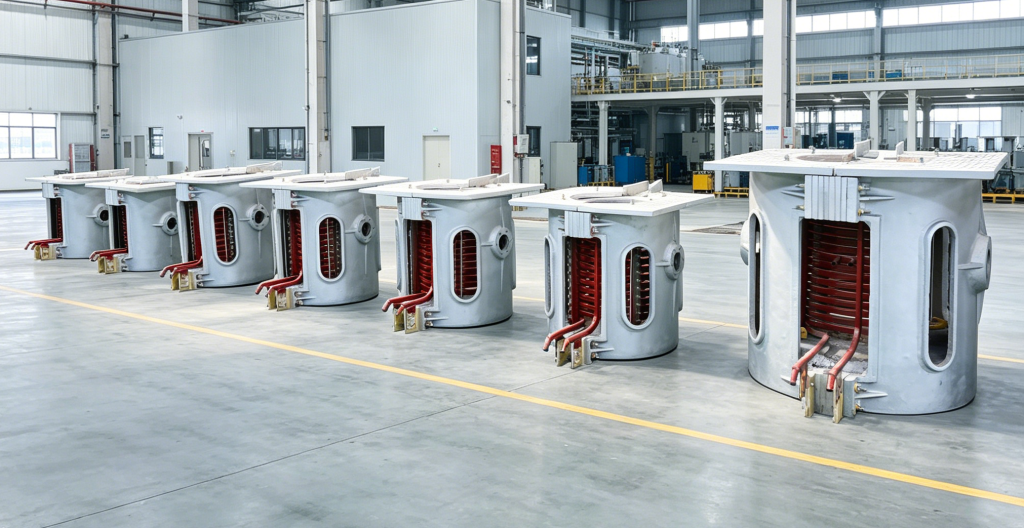
Melting scrap aluminum is not a simple heating process. It involves multiple controlled steps to ensure metal quality and minimize losses.
Scrap aluminum must be:
Contaminated scrap can lead to increased oxidation loss, furnace instability, and lower final metal quality.
The scrap is loaded into the scrap aluminum melting furnace, where it is heated to approximately 660°C–750°C.
Key requirements:
During melting, gases and impurities must be removed:
This step directly affects casting quality.
After refining, molten aluminum is transferred for:
Different furnace types are used depending on production scale and energy source.
| Furnace Type | Energy Source | Efficiency | Best Application | Notes |
|---|---|---|---|---|
| Induction Furnace | Electricity | High | Clean scrap, precision control | Low oxidation loss |
| Reverberatory Furnace | Gas/Oil | Medium | Large-scale recycling | High capacity |
| Rotary Furnace | Gas | Medium | Contaminated scrap | Strong adaptability |
| Crucible Furnace | Gas/Electric | Low | Small workshops | Low investment |
For most modern plants, the induction scrap aluminum melting furnace offers a strong balance between efficiency and environmental performance.
Scrap aluminum has a large surface area, which often leads to:
Paint, oil, and mixed alloys can cause:
Typical energy consumption:
Poor operation can significantly increase costs.
Uneven heating may lead to:
To improve performance, modern scrap aluminum melting furnace systems adopt several solutions:
Investing in a scrap aluminum melting furnace requires both initial and operational cost evaluation.
| Capacity Range | Estimated Price (USD) | Typical Use Case |
|---|---|---|
| 0.5–1 Ton | $10,000 – $30,000 | Small recycling plants |
| 1–5 Tons | $30,000 – $100,000 | Medium factories |
| 5–20 Tons | $100,000 – $350,000+ | Industrial production |
Most systems achieve return on investment within 12–24 months, especially when processing high volumes of scrap aluminum.
The induction scrap aluminum melting furnace is suitable for clean scrap and precise control, while rotary furnaces are better for contaminated materials.
Yes, but it is recommended to use a rotary furnace or apply pre-treatment to avoid contamination issues.
Efficiency depends on furnace type and operation, typically ranging from 85% to 95% metal recovery rate.
A well-designed scrap aluminum melting furnace is essential for maximizing metal recovery, reducing energy consumption, and ensuring consistent product quality. By selecting the right furnace type and optimizing the melting process, recycling plants can significantly improve both operational efficiency and profitability.
For industrial users, investing in advanced melting technology is not only a cost-saving decision but also a strategic step toward sustainable metal production.
Introduction In the metal casting industry, the melting furnace is the starting point of product quality, production efficiency, and cost…
1. Introduction In modern rolling mills, the billet reheating furnace plays a critical role in ensuring stable production and consistent…
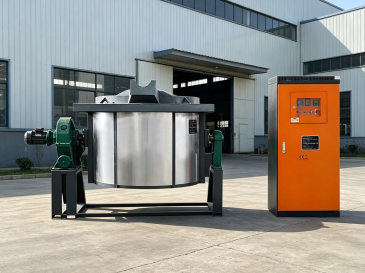
An Introduction to Medium-Frequency Induction Furnaces Induction furnaces that operate at frequencies ranging from 150 to 10,000 hertz are referred…
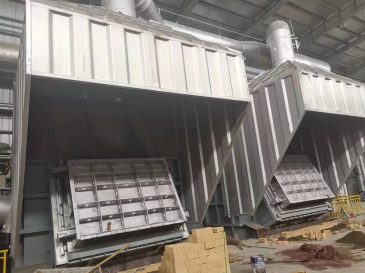
I. Introduction 1.1 Overview of Regenerative Gas-Fired Aluminum Melting Furnace 1.1.1 Basics of Aluminum Melting Furnaces Aluminum melting furnaces are…