Induction heating is a great way to heat things up in factories since it's efficient and doesn't hurt the environment. At the heart of it is the intermediate frequency heating furnace, which heats and shapes metal with precision. It's super important for making manufacturing better. It handles key jobs like getting metal ready to be worked, shaping it, and heat treating it. You'll find it used a lot in forging, heat treating, rolling, and extrusion. It makes things go faster and the products turn out better.
If you're looking to buy one, knowing how it works helps you get the right one for your needs. That way, you don't waste money on the wrong stuff and can keep it running smoothly without spending a ton on repairs. So, getting a good handle on how these furnaces work is a must for anyone in the industry.
Basically, this furnace makes a magnetic field using a specific kind of current (500Hz–10kHz). This field causes the metal to heat up. The intermediate frequency is just between regular power and really high frequencies. The right frequency depends on the metal and what you're trying to do with it.
Regular power isn't very good and doesn't heat things evenly, so it's only good for simple stuff. Really high frequencies only heat the surface, which is good for hardening the outside. Intermediate frequency is the sweet spot for heating bigger objects all the way through and working with thicker materials.
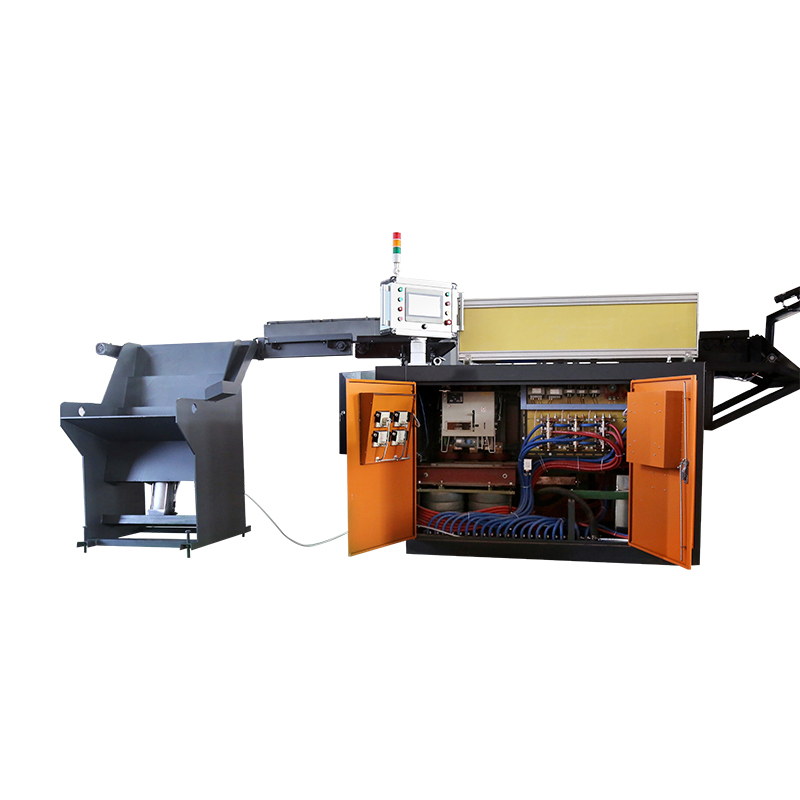
These furnaces have five main parts that all need to work well together. These parts determine how well the furnace works:
1. Power Supply: This is the engine that turns regular power into the right kind of power for heating. You've got two main types: one that's efficient and stable (good for more complex jobs) and another that's cheaper but not as fancy (fine for basic stuff).
2. Induction Coil: This is where the magic happens. It's made of copper and shaped to fit the object you're heating. It needs water running through it to keep it from getting too hot.
3. Heating Area: This is made of stuff that can handle high heat and keep the heat in. Some fancier ones have ways to measure the temperature.
4. Cooling System: This uses water to keep everything cool. Big setups have water tanks and cooling towers to get rid of the heat.
5. Controls: These let you set the power and frequency just right. They can also connect to thermometers to keep the temperature consistent and work with automated production lines.
When the current goes through the coil, it makes a magnetic field that changes all the time. When you put metal in this field, it creates currents inside the metal. The more current, the more heat, so it heats up fast.
The metal's resistance turns the current into heat. The skin effect means the current mostly stays on the surface. How deep it goes depends on the frequency. Intermediate frequency is just right for heating the surface quickly and letting the heat spread to the center, which is what you want for bigger objects.
1. The power supply turns regular power into the right kind of current.
2. The current goes through the coil and makes a magnetic field.
3. The metal goes into the field and heats up.
4. The heat spreads from the surface to the center, so it heats evenly.
It heats the metal directly without touching it, so there's less wasted heat. This is way better than old-school furnaces that waste a lot of energy.
You can control the temperature really precisely, so the metal doesn't get messed up. This means you get consistent results and can do really precise work.
It starts up and shuts down quickly, and you can switch between heating all the time or just doing batches. Plus, it works great with automated systems, which is what you need for modern factories.
It's used to heat up steel and other metals before they're hammered into shape. It's faster, uses less energy, and doesn't mess up the metal as much as older methods.
It's used for annealing, tempering, and other heat- treating processes. It can heat the whole thing or just parts of it to make the metal perform the way you want.
It can heat pipes and get metal ready for extrusion. You can tweak it to fit specific needs.
You need to think about the heating power and frequency (to match the metal), how big the objects are, how many you need to process, and how accurate the temperature needs to be.
The fancy power supplies are efficient and let you adjust the frequency a lot, which is good for complex jobs. The simpler ones are cheaper but not as good.
Get a company that can design the coil for your specific needs. Also, make sure they can install it, train you, and fix it if something goes wrong. Think about how much it will cost to run over time (energy, repairs) instead of just looking at the initial price.
These furnaces heat metal efficiently and evenly. They save energy, are easy to control, and work well with automation. That is why they are used all over the place. If you're in manufacturing, getting one can make you work faster, improve your products, and save money on energy and operating costs. Buying one is smart if you want to make your business greener and more advanced.
If you need to heat metal, figure out exactly what you need and get help from a good supplier. That way, you can get the most out of intermediate frequency heating and stay ahead of the competition.
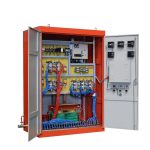
I. Overview of Iron Melting Furnaces Definition of Iron Melting Furnaces An iron melting furnace is industrial equipment that heats…
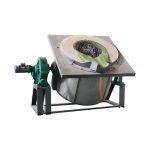
I. Why Routine Maintenance Matters Medium-frequency furnaces are core heating and melting equipment in industries such as metallurgy and machinery…
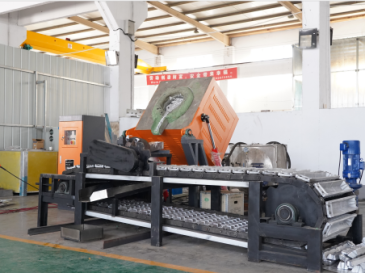
I. Introduction 1.1 Industrial Positioning of Aluminum Ingot Production Lines Within the non-ferrous metal processing industry system, aluminum ingot production…
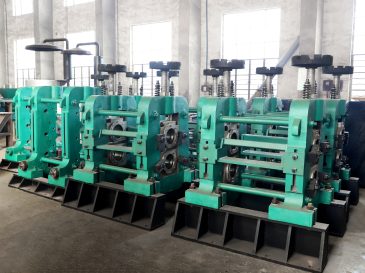
1. Overview 1.1 Core Role of Hot Rolling Mills Hot rolling mills are essential equipment in metal processing, widely used…