An iron melting furnace is industrial equipment that heats solid iron and iron alloys to a molten state. Its main job is to keep the melt’s composition and temperature consistent using controlled heat, supplying high-quality molten iron for downstream processes like casting. As a key piece of front-end metal processing gear, its technical performance directly impacts the quality, efficiency, and cost of final products.
Induction melting has become the top choice for iron melting due to four key advantages. It boasts high energy efficiency of over 70%, which is far better than traditional furnaces, and offers superior melting quality as its closed environment can reduce molten iron oxidation and impurity contamination. Additionally, it features precise temperature control with an error within ±5℃, along with environmental friendliness and safety that involve no fuel combustion pollution, stable operation and low noise levels.
Iron melting equipment is widely used across many industries. It serves the casting and forging industry by producing molten iron for cast iron parts and forgings, and supports the auto parts manufacturing sector in making core cast iron components such as engine blocks. It is also applied in machinery manufacturing to melt cast iron parts for large equipment, in metal recycling to remelt waste cast iron scraps, and in high-end equipment production for the custom melting of high-precision cast iron parts.
Compared to traditional melting methods, induction furnaces have clear benefits: vs. cupola furnaces (coke-fired), they don’t need coke, melt more stably, and boost efficiency by over 30%; vs. arc furnaces, they heat more evenly, have fewer defects, start faster, and cost less to maintain—ideal for small-batch, multi-variety production. They also take up less space and offer higher automation, fitting modern industrial needs.
Iron melting furnaces work based on electromagnetic induction and Joule heating: The power supply sends alternating current through the melting coil, creating an alternating magnetic field. This field induces eddy currents in the iron material, making it heat up and melt from the inside. This method offers fast heating, high efficiency, precise temperature control, and electromagnetic stirring that keeps the melt uniform.
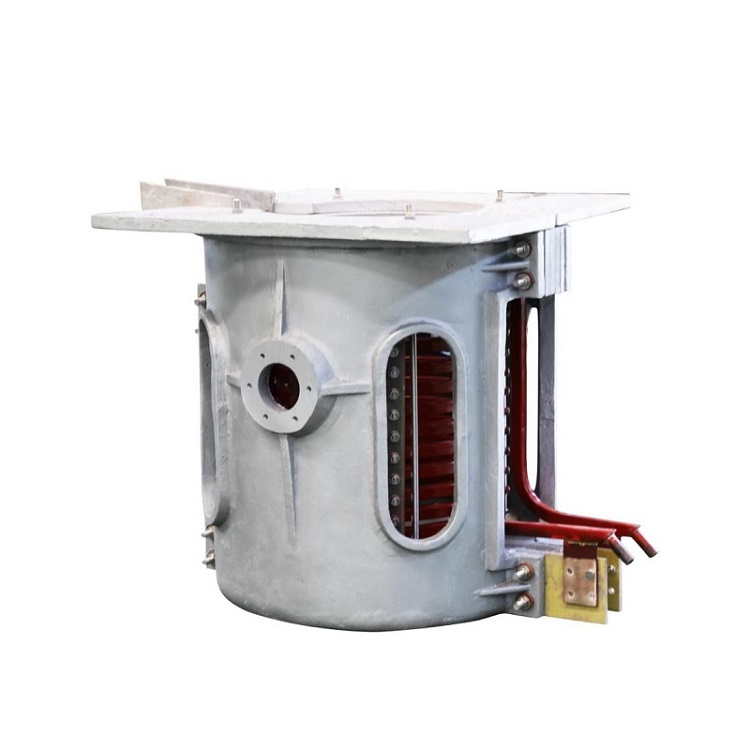
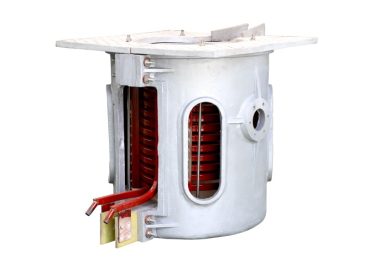
Every iron melting furnace has five core parts that each play a vital role. The power supply provides stable alternating current, which is key to heating efficiency and temperature control; the melting coil generates the magnetic field and needs water cooling to prevent overheating; the crucible holds iron materials and molten iron, with its material depending on the specific process; the cooling system keeps key components from overheating; and the control panel allows operators to monitor and control the melting process.
The melting process follows six simple steps. First, raw materials are prepared by cleaning them and mixing with alloys as needed; then materials are loaded evenly to avoid uneven heating. Next, the power supply is started to heat the iron via eddy currents, and the heating continues until the iron is fully molten with real-time temperature monitoring. After that, the molten iron is kept warm and refined to remove impurities, and finally, it is tapped and poured once it meets the required standards.
Iron melting furnaces are energy-efficient because heat is generated inside the iron material rather than from external sources and they have good insulation. Several aspects contribute to reducing energy use: their heat efficiency of over 70% saves 20-30% energy compared with traditional furnaces, they use little energy to start or stop which makes them great for intermittent production, and their power can be adjusted flexibly to avoid waste.
Safety and environmental protection are top priorities: Safety features include over-temperature, over-current/voltage protection, cooling water monitoring, and protective fences. For the environment: Induction melting produces no fuel combustion pollution—only a small amount of dust (easily treated with dust collectors). It also operates quietly, and waste materials can be recycled, aligning with green manufacturing goals.
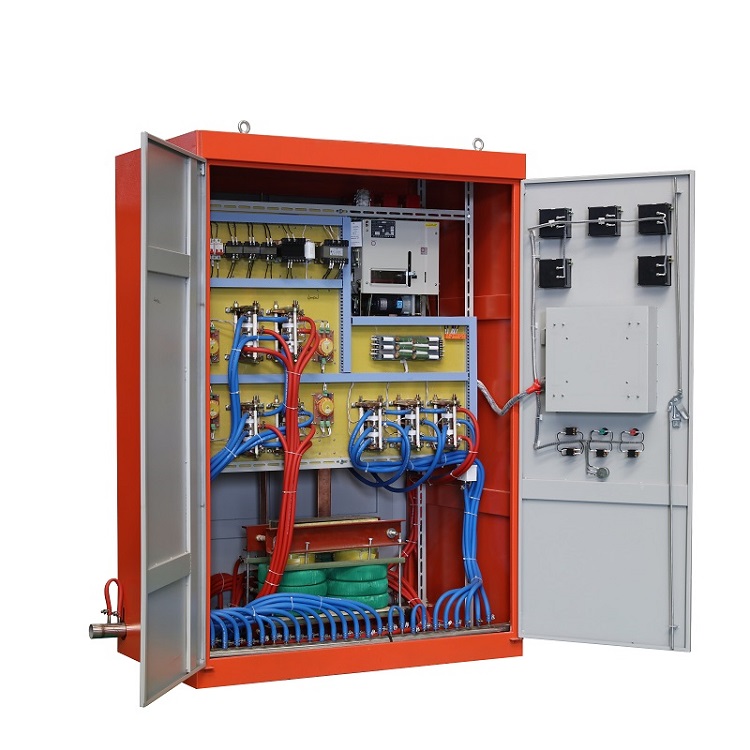
Coreless induction furnaces are the most common type—they have no iron core inside the coil. Key features: Compact design, fast startup, and high melting quality. They work for small-to-medium capacities (50kg-5 tons) and are widely used in small-batch casting, auto parts manufacturing, metal recycling, and precision casting.
Channel induction furnaces have an iron core inside the coil, which focuses the magnetic field. They’re designed for large-batch continuous melting (1 ton-30 tons) with low energy use and high stability. Main users: Large foundries and steel plants producing mass quantities of castings.
Iron melting furnaces range in capacity from 50kg to 30 tons to fit different needs. Small-capacity furnaces (50kg-500kg) are suitable for labs and small-batch precision casting, medium-capacity ones (500kg-5 tons) work for small-to-medium foundries and auto parts firms, while large-capacity models (5 tons-30 tons) are designed for large casting enterprises engaged in mass production.
There are clear differences between coreless and channel furnaces. Coreless furnaces offer faster melting speed that is 20-30% quicker, come with lower purchase cost and are best suited for intermittent production. In contrast, channel furnaces have lower unit energy use of 10-15% less, provide better long-term cost efficiency and are ideal for continuous production. Both types support automation, but coreless furnaces are more flexible when it comes to charging and tapping operations.
In gray iron casting, iron melting furnaces precisely control temperature and composition, reducing oxidative impurities. This boosts casting qualification rates to over 98%, making them perfect for producing machine tool beds, engine blocks, and other gray iron parts.
For ductile iron production (used in high-strength parts like auto crankshafts), iron melting furnaces provide a stable temperature environment. Their low-oxidation design ensures good spheroidization (key to ductile iron’s strength), meeting high-end equipment requirements.
Alloy iron (with added elements like silicon or chromium for wear/heat resistance) needs uniform melting. Iron melting furnaces ensure alloying elements mix evenly, avoid oxidation, and prevent composition segregation—critical for high-end special cast iron parts in special machinery.
Auto parts manufacturing is a key market for iron melting furnaces. Their efficient, stable melting meets the auto industry’s large-scale production needs, and they work with various cast iron materials. Their eco-friendly and safe design also fits the industry’s green development trend.
Iron melting furnaces play a big role in metal recycling: They remelt waste cast iron scraps, using electromagnetic stirring to remove impurities and adjust composition precisely. This reduces raw material costs for businesses and cuts environmental pollution, supporting circular economy efforts.
High-precision mechanical castings (e.g., machine tools, molds) need pure, temperature-stable molten iron. Iron melting furnaces meet these strict requirements with closed melting, precise temperature control, and electromagnetic stirring—making them essential for high-end mechanical manufacturing.
To choose the right melting capacity: Consider your production scale, product specs, and batch size. Small-batch/multi-variety: 50kg-5 tons coreless furnace; Large-batch/single-variety: 5 tons-30 tons channel furnace. Also, reserve 10-20% extra capacity for peak demand and check if your workshop has enough space/load capacity.
Melting speed should match your production rhythm and delivery deadlines: Fast production pace? Choose a coreless furnace (20-30% faster melting). Continuous production? Go for a channel furnace (stable molten iron supply). Match speed with capacity to avoid energy waste and ensure efficiency.
Power supply and electricity costs matter: Ensure the furnace’s power matches your workshop’s supply. If electricity prices are high, pick a channel furnace (lower energy use). You can also add waste heat recovery equipment to cut costs. Always confirm power supply compatibility to avoid safety issues.
It is important to choose the right crucible material based on specific needs. Quartz sand crucibles are good for ordinary cast iron as they are low in cost and heat-resistant, while corundum crucibles are ideal for alloy iron due to their corrosion resistance and long lifespan. Graphite crucibles are best for small-batch and fast melting thanks to their good heat conductivity, though they come with a higher cost. Additionally, the crucible size should be matched to the melting capacity to ensure optimal heating effect.
The appropriate automation level depends on the production scale and labor costs. For mass production, high automation is recommended, including auto charging, auto tapping and real-time monitoring, as this can reduce manual intervention and errors. For small-batch customization, basic automation with simple temperature control is sufficient to cut equipment costs. It is also necessary to ensure that the automation system is compatible with existing production management tools to facilitate future upgrades.
Environmental compliance is non-negotiable: Equip the furnace with dust and waste gas treatment systems to meet emission standards. Alloy melting needs special waste gas treatment. Choose a low-noise model. Check local environmental regulations before purchasing.
Calculating return on investment (ROI) requires weighing multiple factors. These include the purchase, operation and maintenance costs, the equipment lifespan with high-quality models lasting 15-20 years, and the various benefits such as higher production efficiency, fewer product defects and lower raw material costs. Most high-quality iron melting furnaces have a payback period of 1-3 years.
Choosing a reliable supplier involves checking six key points. First, verify their qualifications including production licenses and ISO 9001 certification; second, assess their technical strength such as the R&D team and ability to provide custom solutions; third, evaluate product quality through customer reviews and case studies; fourth, confirm the availability of comprehensive after-sales service covering installation, training and spare parts supply; fifth, consider price competitiveness to ensure fair pricing for the quality offered; and sixth, check their industry reputation in terms of market share and brand trust.
In short, induction melting is the future of iron melting furnaces—core front-end equipment for metal processing. Its efficiency, quality, precision, and eco-friendliness make it ideal for casting, auto parts, machinery, and recycling. Coreless furnaces suit small-batch precision work, while channel furnaces handle large-scale continuous production. When choosing a furnace, focus on capacity, speed, power matching, and environmental compliance, and pick a trusted supplier. As industry becomes more intelligent and green, more automated, energy-efficient iron melting furnaces will support high-end manufacturing and circular economy goals.
The aluminum induction melting furnace serves as core equipment for aluminum and aluminum alloy processing. Leveraging electromagnetic induction principles, it…
I. Intro: Why Intermediate Frequency Heating Matters Now Induction heating is a great way to heat things up in factories…
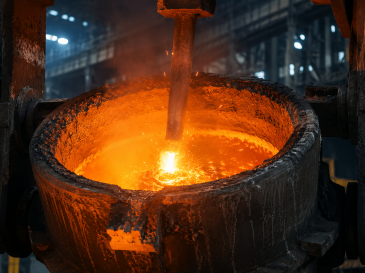
Steel deoxidation is one of the most critical steps in the steelmaking process. During melting and refining, oxygen inevitably dissolves…
Let’s be real — if you’ve ever worked in aluminum foundry operations, you know how temperamental melting can be.Sometimes your…