Medium-frequency furnaces are core heating and melting equipment in industries such as metallurgy and machinery manufacturing. Their operational status directly affects production efficiency, product quality, and workplace safety. Daily maintenance is crucial for ensuring their stable and efficient operation. It not only improves thermal efficiency, reduces energy consumption, and identifies potential safety hazards but also slows down component aging, extends service life, and lowers maintenance and spare parts costs. This is of great significance for enterprises to achieve refined production and cost control.
The cooling system is the core of heat dissipation for medium-frequency furnaces, and its efficiency directly impacts operational stability. Cooling failure can easily lead to serious faults such as coil overheating and component damage, so the following maintenance work must be prioritized.
Regular inspection and cleaning of radiators: Timely remove dust and oil stains from the surface using compressed air blowing or high-pressure water gun flushing to ensure unobstructed heat dissipation channels. Check the fixing status of radiators to prevent loosening and deformation caused by vibration. For forced air-cooled radiators, additionally inspect the operation of cooling fans to ensure smooth and abnormal-free rotation; lubricate the bearings if necessary.
Comprehensive inspection of the water cooling system: First, check the pressure difference between the inlet and outlet of the water circuit. If it exceeds the standard, disassemble and clean the pipeline to remove scale and impurities. Second, inspect joints, valves, seals, and other parts, and replace damaged components in a timely manner to eliminate leaks. Third, monitor the cooling water temperature and the temperature difference between the inlet and outlet, check the operation status of the water pump and water volume, and ensure the water temperature meets the standard. Meanwhile, regularly check the quality of cooling water to avoid scaling that affects cooling efficiency.
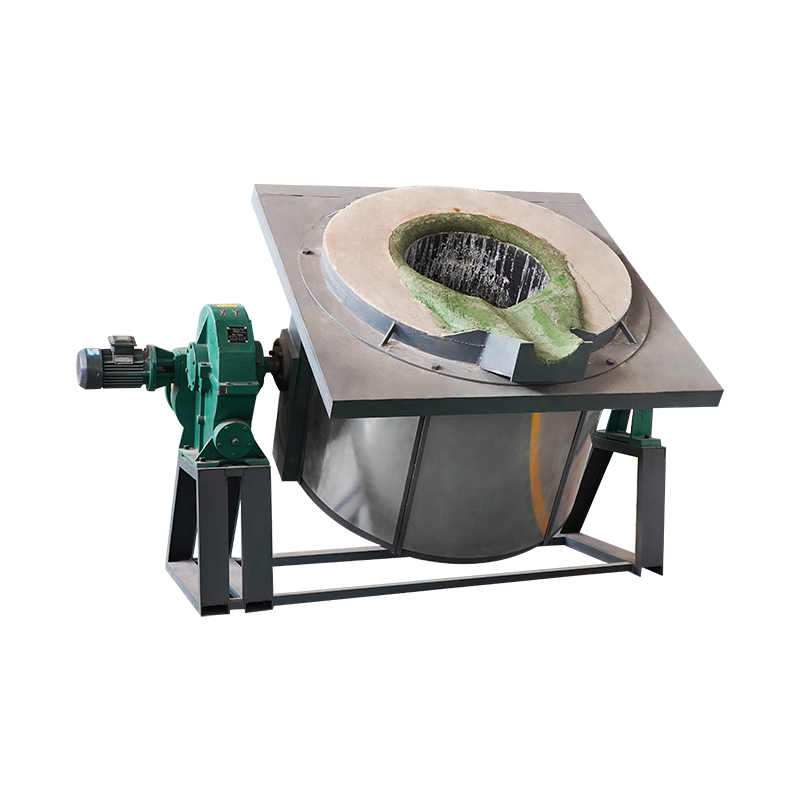
Induction coils and electrical components are key to energy conversion and transmission in medium-frequency furnaces. Their performance stability determines equipment efficiency and safety, so insulation inspection and overheating troubleshooting must be prioritized.
The core of induction coil maintenance is insulation inspection: Use a megohmmeter to test insulation resistance and ensure it meets standards. Visually check the insulation layer for aging and damage such as cracking, carbonization, and peeling, and repair or replace it promptly if problems are found. Meanwhile, check the tightness of the coil to avoid vibration-induced deformation and loosening, clean surface dust and slag to prevent local overheating, and maintain a safe distance from other components.
Electrical component maintenance requires comprehensive inspection of operational status: Confirm that wires and cables are securely connected and have intact outer coverings, with no heat oxidation at joints. Check that switches and contactors operate flexibly with no contact ablation, and handle damaged components in a timely manner. Focus on troubleshooting overheating issues of thyristors, transformers, busbars, and lines: Monitor the temperature and heat dissipation of thyristors, check transformers for oil leakage, normal oil level, and no abnormal noise during operation, and ensure busbars are securely connected with no heat discoloration to avoid faults caused by excessive contact resistance.
Equipment cleaning is the foundation for preventing faults and extending service life. It is necessary to regularly clean debris and oil stains from key parts to maintain a clean operating environment.
Specific cleaning and upkeep points: First, clean the cooling water tank, regularly discharge sewage, remove scale from the inner wall, and inject clean cooling water. Second, inspect and clean drain valves to ensure flexible operation and no blockage. Third, after disconnecting the power supply, use neutral cleaning agents to clean oil stains and dust from key parts such as electrical control cabinets, coils, and transformers to avoid insulation degradation and poor heat dissipation; ensure components are dry before powering on again. Meanwhile, check that guardrails, protective covers, and other devices are intact.
Safety and operational checks are important guarantees for stable equipment operation. It is necessary to implement inspection procedures to ensure the normal operation of safety facilities and standardize the filing of maintenance records.
Safety system checks must be verified one by one: Simulate trigger conditions to confirm the effectiveness of alarm devices such as temperature, overcurrent, overvoltage, and water shortage alarms. Inspect interlock devices such as door interlocks and water flow interlocks to ensure timely power cutoff in case of abnormalities. Verify the sensitivity and reliability of emergency stop buttons, and check that grounding and zeroing protection devices meet standards. Meanwhile, standardize the filling of maintenance logs, recording operational parameters, maintenance content, identified problems, and handling results in detail. Analyzing maintenance logs helps grasp the changing laws of equipment operational status, predict potential fault risks, and provide data support for equipment overhaul and transformation.
Daily maintenance of medium-frequency furnaces covers key links such as cooling system, induction coil, electrical component, cleaning and upkeep, and safety checks. Scientific and standardized maintenance can improve operational efficiency, avoid production interruptions, ensure safety, extend equipment service life, and reduce operation and maintenance costs. Enterprises need to establish a sound daily maintenance management system, clarify responsibilities, standardize procedures, and ensure the implementation of maintenance work. Only by attaching importance to daily maintenance can the production efficiency of medium-frequency furnaces be fully exerted to support the stable production of enterprises.
I. Intro: Why Intermediate Frequency Heating Matters Now Induction heating is a great way to heat things up in factories…
I. Introduction 1.1 Overview of Hongteng Rebar Rolling Mill Hongteng Rebar Rolling Mill specializes in the research, development, production, and…
Introduction Selecting the right aluminum melting furnace is one of the most critical decisions for foundry operations. The wrong choice…
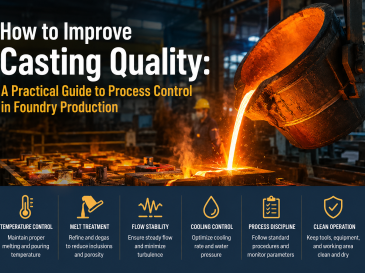
Improving casting quality is one of the most common challenges in metal casting and aluminum casting production. Whether you are…