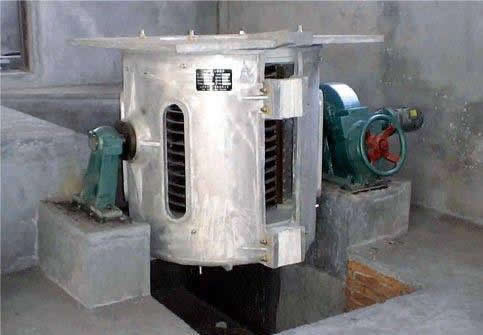
When I first started managing medium frequency furnaces, I quickly realized that consistent daily maintenance wasn’t just about compliance—it was the difference between smooth operations and unexpected downtime. Over the years, through hands-on experience and numerous trials, I’ve identified a set of maintenance practices that truly impact performance, energy efficiency, and the lifespan of these furnaces.
This isn’t a dry, procedural checklist. Instead, it’s a realistic guide reflecting the challenges operators face, the mistakes I’ve seen others make, and the small but critical actions that make a tangible difference.
In order to ensure the working effect of the medium frequency furnace and prolong the service life of the medium frequency furnace, the medium frequency furnace should be regularly maintained and inspected. Daily maintenance can be carried out from the following aspects:
1. Check and clean the radiator to maintain high-efficiency cooling effect, and carry out pickling when necessary;
2, Check whether the water cooling system is blocked and leaking phenomenon, whether the water pressure relay is sensitive, inlet water temperature difference should not be greater than 35 ℃;
3, Check the induction coil insulation and whether there is water leakage phenomenon;
4, Check whether the wires and switches are damaged;
5, Check and clean the water tank, check the drain valve, and remove certain sewage to prevent scaling;
6. Clean the oil stains and dust of all electrical components and other equipment, and use fans or leather tigers to clean up the dust;
7. Check whether each wiring screw is tightened to ensure good contact.
8. Check thyristor, electrical circuit bus, transformer and each line segment for overheating.
| Task | Key Points | Frequency | Real-World Tip |
|---|---|---|---|
| Pre-operation inspection | Power connections, cooling, crucible | Daily | Prioritize loose connections first |
| Cleaning | Panels, vents, hearth | Daily | Avoid abrasive cleaning on coils |
| Parameter monitoring | Voltage, current, flow, temperature | Continuous | Record baseline values for trend analysis |
| Consumables check | Electrodes, refractory | Daily | Replace slightly worn parts proactively |
| Safety system verification | Alarms, interlocks, shutdown | Daily | Integrate into pre-shift routine |
From my experience, medium frequency furnaces that receive consistent daily attention maintain higher energy efficiency, produce more predictable melt cycles, and have a longer operational lifespan. Minor issues caught early prevent larger problems that can disrupt production schedules.
For buyers evaluating medium frequency furnaces, consider operational ease, monitoring capabilities, and accessibility of consumables—these factors directly affect the efficiency and effectiveness of daily maintenance routines.
Conclusion:
Daily maintenance of medium frequency furnaces is not merely a compliance task—it is a strategic approach to improving operational efficiency and extending equipment life. By integrating inspections, cleaning, monitoring, and consumables checks into a structured routine, operators can reduce downtime and achieve predictable, high-quality melting results. Experience shows that consistent small actions translate into measurable improvements, making daily maintenance the foundation of reliable furnace operation.

Discover how modern trolley furnaces enhance precision, efficiency, and safety in industrial heat treatment. Expert-reviewed guide with real testing insights, key features, and comparison tips.
Aluminum furnaces in industrial production Aluminum melting furnace for melting aluminum alloy, raw materials include aluminum ingots, scrap aluminum castings,…
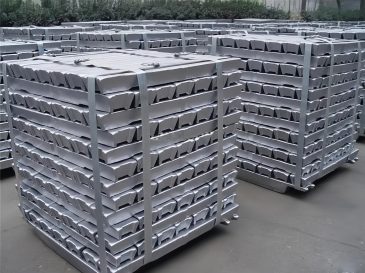
Aluminum ingots are widely used as the primary raw material for aluminum casting, extrusion, and other downstream manufacturing processes. The…
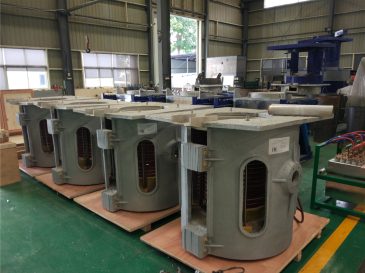
High-Efficiency, Intelligent, and Reliable Melting Equipment for Modern Foundries 1. Industry Background and Application Scope In modern metal processing industries…