Aluminum melting furnaces are essential equipment in modern metal processing. From automotive parts to beverage cans, aluminum must be melted, refined, and cast before it can be used in production.
With the rapid growth of lightweight manufacturing and recycling, the demand for industrial aluminum melting furnaces continues to rise across multiple sectors.
This article breaks down the main industries using aluminum melting furnaces, along with real production applications and process insights.
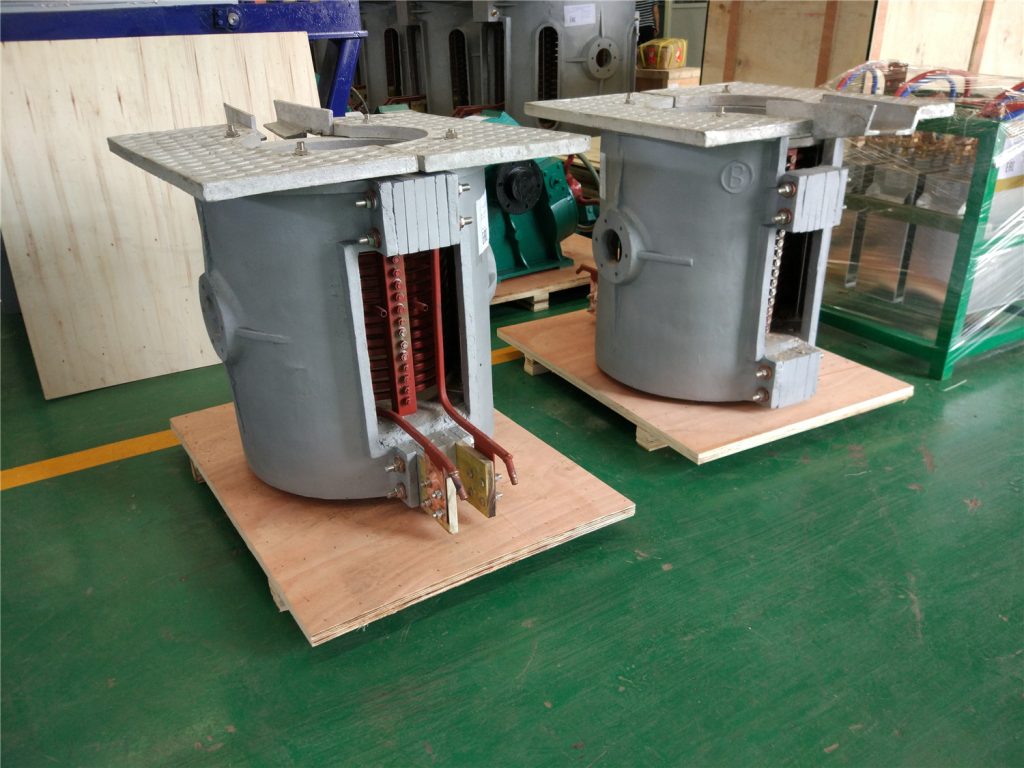
Aluminum is one of the most widely used metals due to:
In industrial production, aluminum must be heated to around 660°C (1220°F) to reach its melting point. This is where aluminum melting furnaces play a critical role.
The automotive sector is one of the largest users of aluminum melting furnaces.
Applications:
With the shift toward electric vehicles, manufacturers are increasing aluminum usage to reduce weight and improve energy efficiency.
Typical process:
Scrap aluminum → Melting → Alloy adjustment → Die casting
In aerospace, aluminum alloys must meet strict performance standards.
Applications:
This industry requires:
Induction furnaces are often preferred due to their stability and efficiency.
The construction sector uses aluminum for both structural and decorative purposes.
Applications:
Melting furnaces support continuous production of extruded and cast aluminum products.
The packaging industry relies heavily on recycled aluminum.
Applications:
This sector typically uses scrap aluminum melting furnaces, as recycled aluminum is the primary raw material.
Aluminum is widely used in electronics for heat dissipation and structural parts.
Applications:
Melting requirements focus on:
This is one of the fastest-growing sectors.
Applications:
Key advantage:
Recycling aluminum saves up to 95% of energy compared to primary production.
Typical workflow:
Scrap sorting → Melting → Refining → Casting ingots
Foundries are the core users of aluminum melting furnaces.
Applications:
This industry requires:
| Industry | Main Products | Furnace Requirement |
|---|---|---|
| Automotive | Engine parts, wheels | High efficiency, fast melting |
| Aerospace | Precision components | High purity, temperature control |
| Construction | Profiles, frames | Continuous operation |
| Packaging | Cans, foil | Scrap melting capability |
| Electronics | Heat sinks, housings | Stable alloy quality |
| Recycling | Aluminum ingots | Energy efficiency, large capacity |
| Foundry | Cast components | Flexible operation |
Different industries require different furnace configurations.
Key factors include:
For example:
Q1: What is the most common industry using aluminum melting furnaces?
The automotive and casting industries are the largest users due to high production volumes.
Q2: Can aluminum melting furnaces process scrap aluminum?
Yes, most industrial furnaces are designed to handle scrap aluminum, especially in recycling applications.
Q3: What type of furnace is best for aluminum melting?
Induction furnaces are widely used due to their efficiency, clean operation, and precise control.
Q4: What is the typical melting temperature of aluminum?
Around 660°C (1220°F).
Aluminum melting furnaces are used across a wide range of industries, from automotive and aerospace to recycling and packaging.
As global demand for lightweight materials and sustainable production grows, the role of aluminum melting technology will continue to expand.
If you are selecting equipment for your application, choosing the right furnace type and configuration is critical for long-term efficiency and cost control.
1. Introduction In modern rolling mills, the billet reheating furnace plays a critical role in ensuring stable production and consistent…
An Introduction to Medium-Frequency Induction Furnaces Induction furnaces that operate at frequencies ranging from 150 to 10,000 hertz are referred…
I. Introduction 1.1 Importance of Induction Heating Frequency In induction heating technology, frequency is one of the most critical parameters…
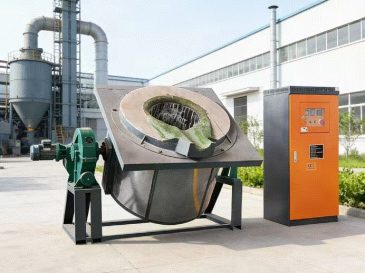
The aluminum induction melting furnace serves as core equipment for aluminum and aluminum alloy processing. Leveraging electromagnetic induction principles, it…