In the stainless steel manufacturing industry, the melting stage is a core process that directly determines material purity, alloy homogeneity, and the quality of downstream products. For weak magnetic materials such as stainless steel, a purpose-built stainless steel melting furnace—featuring precise process adaptation, stable performance output, and convenient operation and maintenance—has become a key piece of equipment for improving production efficiency and product competitiveness.
This article provides a comprehensive analysis of the professional value of stainless steel melting furnaces from the perspectives of technical principles, core performance, and operational assurance, offering practical and accurate reference for industry professionals.
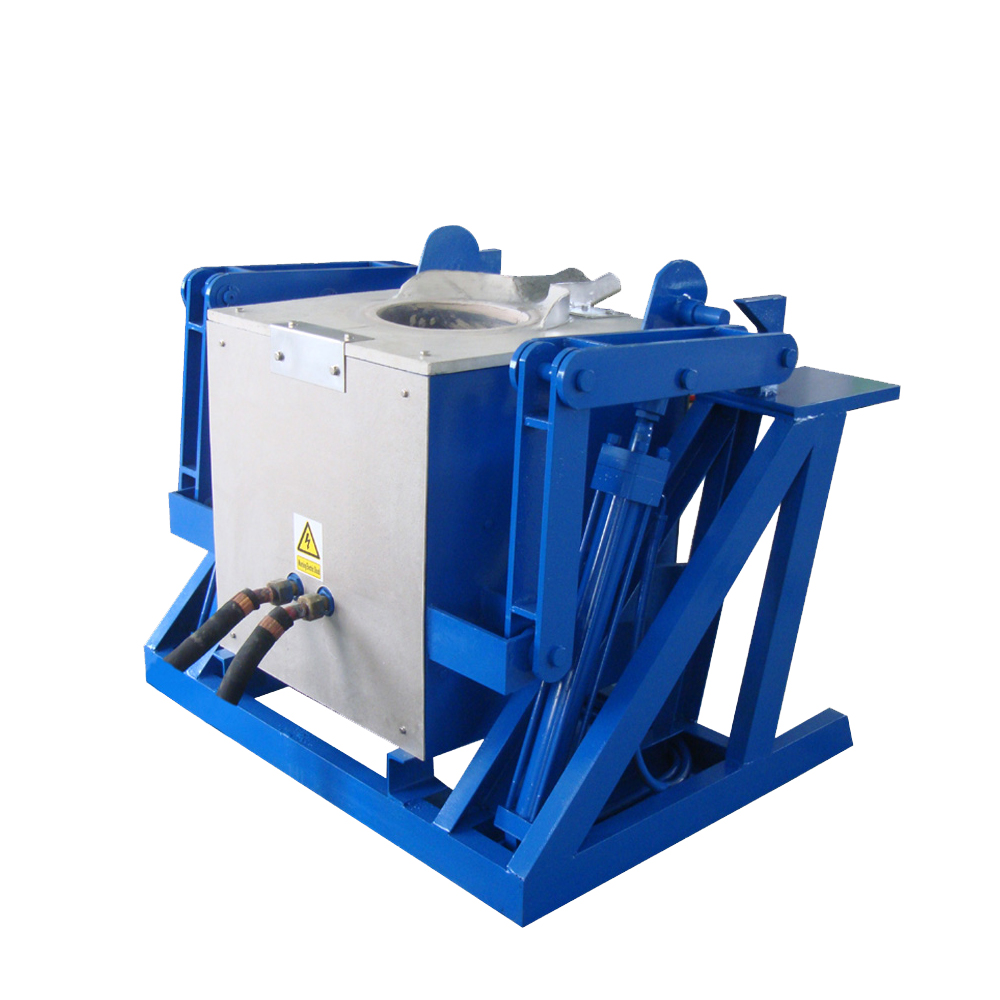
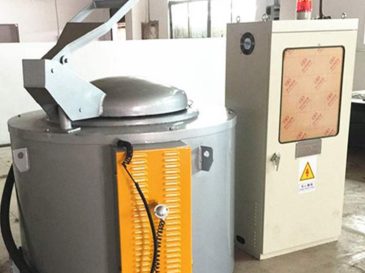
The stainless steel melting furnace is a specialized melting solution designed specifically for weak magnetic materials. It is primarily used for melting, heating, and holding processes of stainless steel and various weak magnetic alloys, and is widely applied in precision casting, hardware manufacturing, and alloy modification industries.
The furnace covers a full capacity range from 0.5T to 5T, allowing flexible selection based on production scale. It can meet the needs of small-scale laboratory research as well as large-scale industrial production, achieving precise adaptation across multiple application scenarios.
Unlike general-purpose melting equipment, this furnace is deeply optimized for the low magnetic permeability and reduced energy absorption efficiency of weak magnetic materials. From power supply configuration to structural design, every aspect is tailored to weak magnetic melting conditions, effectively addressing common issues such as low melting efficiency, high energy consumption, and uneven alloy composition encountered with conventional furnaces.
As a typical weak magnetic material, stainless steel presents challenges during melting due to its low magnetic permeability, which can result in poor energy conversion efficiency and uneven magnetic field distribution. This places high demands on the power system design and temperature control accuracy of melting equipment.
Through key technological optimizations, this furnace achieves efficient and stable melting of weak magnetic materials.
In terms of power system design, an optimized power supply resonance system is adopted. Using frequency self-adaptive adjustment technology, the system precisely matches the melting impedance characteristics of stainless steel and other weak magnetic materials, overcoming the high energy loss limitations of traditional equipment under weak magnetic conditions.
In addition, a constant power output module ensures stable power delivery throughout the entire melting process, preventing melting interruptions or temperature fluctuations caused by voltage variations or changes in material impedance. This enables efficient, energy-saving melting performance and provides a stable foundation for subsequent process consistency.
Efficient and stable melting performance is the core competitiveness of this equipment. The stainless steel melting furnace delivers industry-leading performance in melting speed, temperature control, and power regulation, balancing productivity with process precision.
The melting time ranges from 30 to 100 minutes per furnace, adjustable according to furnace capacity, initial material temperature, and process requirements. Compared with conventional equipment, overall efficiency is improved by more than 15%, significantly shortening production cycles.
During heating and holding stages, segmented temperature control technology is employed to ensure furnace temperature uniformity within ±5°C, effectively preventing local overheating and alloy segregation. Both melting and holding stages support stepless power adjustment, allowing precise control of output power based on material condition and thermal requirements, thereby enabling flexible process adaptation.
| Performance Indicator | Parameter Range | Key Advantage |
|---|---|---|
| Melting Speed | 30–100 min/furnace | Significantly shortens production cycle |
| Temperature Uniformity | ≤ ±5°C | Prevents segregation, ensures material purity |
| Power Regulation | Stepless during melting & holding | Flexible process control, reduced energy consumption |
| Capacity Range | 0.5T–5T | Covers diverse production scenarios |
To meet real industrial production needs, the furnace is designed with simplicity and cost efficiency as core principles, significantly reducing both initial investment and long-term operating costs.
From an installation perspective, no dedicated foundation or complex civil engineering is required. The furnace can be put into operation simply by connecting power and water supplies. Compared with traditional equipment, installation time is reduced by more than 60%, minimizing production downtime during setup.
In terms of operation, a user-friendly control panel integrates all essential operating functions and status indicators. Operators can become proficient after minimal training, without the need for specialized technical personnel. This simplified installation and operation design enables customers to start production quickly, reduce labor costs, and achieve rapid return on investment.
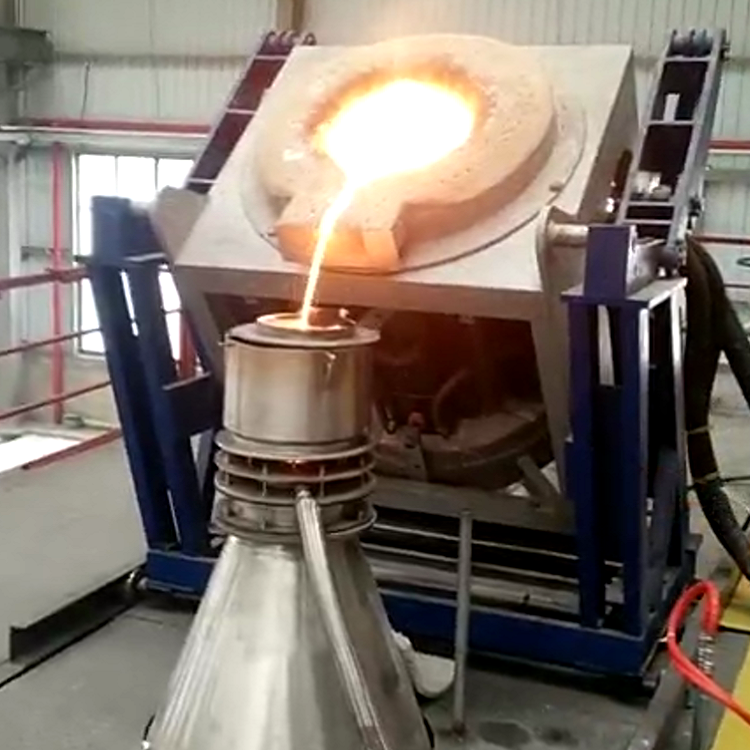
To meet the stringent precision requirements of high-end alloy melting, an optional intelligent melting control system is available. This system enables precise control of the entire melting process through digital technologies, further improving product consistency and yield.
The system supports accurate parameter control throughout the melting process, collecting real-time data such as furnace temperature and power output, while simultaneously displaying alloy composition trends. This allows operators to clearly monitor melting status and adjust process parameters in a timely manner.
Through automated and precise control, human operation errors are effectively reduced, improving alloy composition uniformity by more than 20%, significantly enhancing product quality and helping customers manufacture high value-added products with stronger market competitiveness.
The safety and stability of industrial melting equipment directly affect production continuity and personnel safety. This furnace is equipped with a comprehensive safety monitoring and self-diagnosis system, forming a multi-layer protection mechanism.
An intelligent self-diagnosis module continuously monitors critical parameters including cooling water temperature, water pressure, overcurrent, overvoltage, phase loss, and furnace abnormalities. Once an abnormal condition is detected, audible and visual alarms are triggered, and core circuits are automatically shut down to prevent fault escalation.
This real-time monitoring system not only ensures operator safety and equipment integrity but also significantly reduces unplanned downtime, improving overall operational reliability and production continuity.
The structural design of the furnace balances durability, ease of maintenance, and environmental adaptability, optimizing performance across various operating conditions while extending service life and reducing maintenance costs.
The electrical cabinet adopts a modular design, with clearly divided functional modules for easy troubleshooting and component replacement. The number of wearing parts is minimal, and replacement procedures are simple, requiring no specialized tools—significantly reducing maintenance workload and cost.
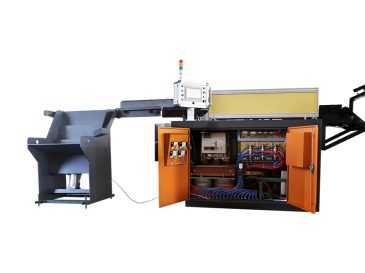
For harsh operating environments such as high temperature, heavy dust, and corrosive conditions, split-type models are available. The separated structural design isolates core components from adverse environments, ensuring stable operation under demanding conditions and expanding the range of applicable scenarios.
By integrating the above features, this stainless steel melting furnace establishes dedicated competitive advantages for weak magnetic material melting, delivering tangible value to customers across efficiency, quality, and cost dimensions.
As a professional solution for weak magnetic material melting, this stainless steel melting furnace stands out through its technical adaptability, performance stability, and operational convenience. It is an ideal choice for stainless steel processing enterprises seeking to enhance core competitiveness and achieve efficient, high-quality production in a demanding market environment.
High-Efficiency, Intelligent, and Reliable Melting Equipment for Modern Foundries 1. Industry Background and Application Scope In modern metal processing industries…
A Vertical Heat Treatment Solution Combining Structural Stability, Thermal Efficiency, and Process Reliability In industrial heat treatment, annealing is not…
Energy-Saving and Environmentally Friendly Solution New type energy-saving and environmentally friendly zinc melting furnace, no cooling equipment required. High productivity,…
I. Intro: Why Intermediate Frequency Heating Matters Now Induction heating is a great way to heat things up in factories…