Before selecting an aluminum scrap melting furnace, it is important to understand the fundamental properties of aluminum, as these directly affect melting efficiency, metal recovery rate, and furnace selection.
Aluminum is widely used in industrial production due to its excellent casting and processing performance:
Aluminum can be cast using any casting method and exhibits excellent mold-filling properties. Aluminum undergoes significant volume changes during solidification, with a volume shrinkage rate of approximately 6.6%, making it suitable for continuous casting.
Aluminum has good plasticity, making it easy to process into finished products at high speeds. It can be rolled into thin sheets and foil; drawn into tubes and fine wires; and extruded into profiles with various complex cross-sections.
Aluminum has good machinability and can be turned, milled, bored, planed, and otherwise machined at the maximum speeds achievable on most machine tools.
An aluminum scrap melting furnace is an industrial system designed to melt recycled aluminum materials such as extrusion scrap, aluminum chips, UBC (used beverage cans), and casting returns into molten aluminum for reuse.
Compared with primary aluminum production, scrap melting reduces energy consumption by up to 90–95%, making it a critical solution for modern aluminum processing plants.
Common applications include:
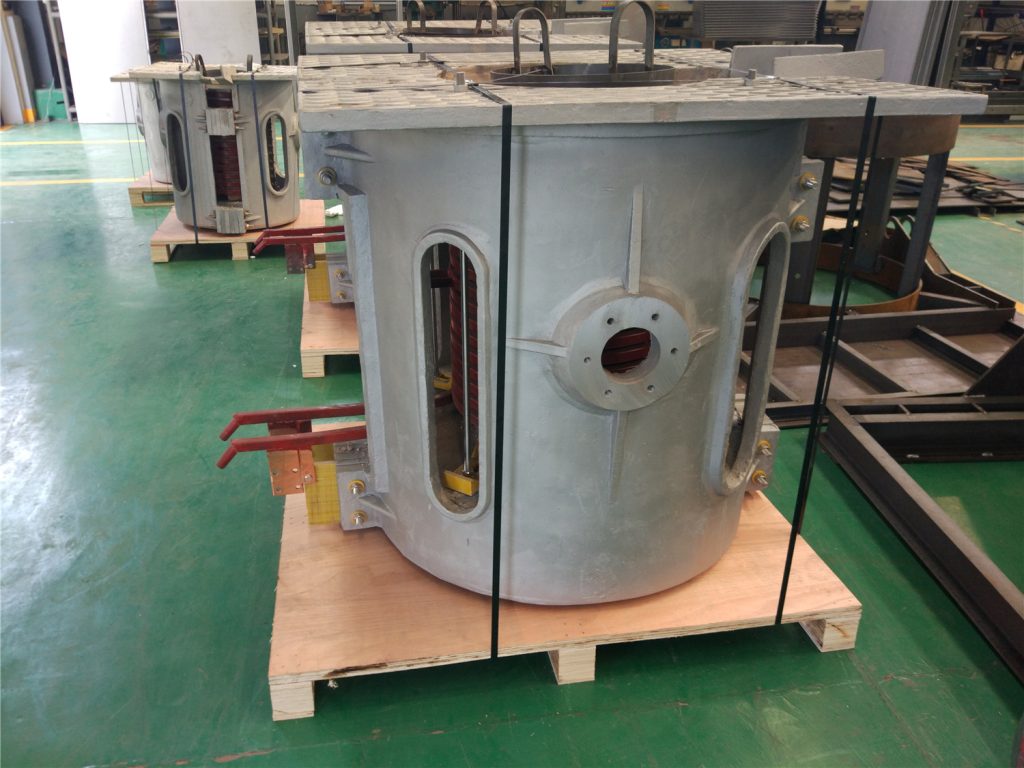
Choosing the right furnace type depends on scrap form, capacity, and energy cost. Below are the main furnace types used in industry.
The induction melting furnace uses electromagnetic induction to heat and melt aluminum efficiently.
Advantages:
Limitations:
Best for:
A reverberatory furnace uses fuel (gas or oil) combustion to heat aluminum indirectly.
Advantages:
Limitations:
Best for:
The rotary furnace rotates during operation, improving heat transfer and metal recovery.
Advantages:
Limitations:
Best for:
| Furnace Type | Capacity Range | Scrap Type | Energy Efficiency | Metal Loss | Investment |
|---|---|---|---|---|---|
| Induction Furnace | 0.1–20 tons | Clean scrap | High | Low (<3%) | High |
| Reverberatory Furnace | 5–100+ tons | Mixed scrap | Medium | Medium | Medium |
| Rotary Furnace | 1–20 tons | Dirty scrap | Medium | Low | Medium |
Typical energy consumption per ton of aluminum:
Although induction furnaces have higher upfront costs, they often achieve lower long-term operating costs due to:
Cause:
Solution:
Cause:
Solution:
Cause:
Solution:
In recent years, more aluminum processors are shifting toward induction melting furnaces because they offer:
For small and medium-sized plants, induction furnaces provide the best balance between efficiency, cost, and automation.
Selecting the right aluminum scrap melting furnace is not just about equipment—it directly impacts production cost, metal recovery rate, and environmental compliance.
Understanding your raw material and production goals is the key to maximizing profitability.
If you are planning to invest in an aluminum scrap melting furnace, our engineering team can help you:
When selecting an induction melting furnace, one of the most critical decisions is choosing between a steel shell induction furnace…
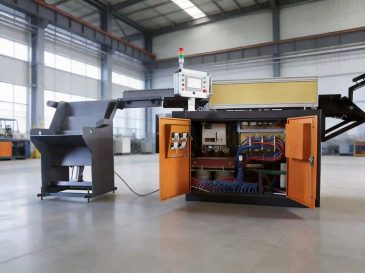
A Strategic Solution for Sustainable Industrial Heating I. The Growing Demand for Sustainable Industrial Heating 1.1 Global Pressure for Decarbonization…
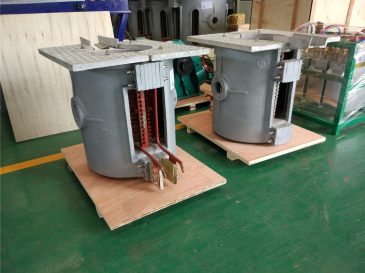
1. Introduction Aluminum melting furnaces are essential equipment in modern metal processing. From automotive parts to beverage cans, aluminum must…