When planning a metal processing project, one of the most important questions is: how much does a furnace for melting metals cost?
The price of a metal melting furnace depends on many factors, including furnace type, melting capacity, power requirements, automation level, and application materials.
Before considering the cost, it is important to understand the different types of furnaces for melting metals and their applications, as different furnace technologies have a direct impact on investment and operating costs.
A small furnace for laboratory or low-volume production may cost much less than an industrial melting system designed for continuous operation.
Understanding the main cost factors can help you choose the right furnace without overpaying for unnecessary features.
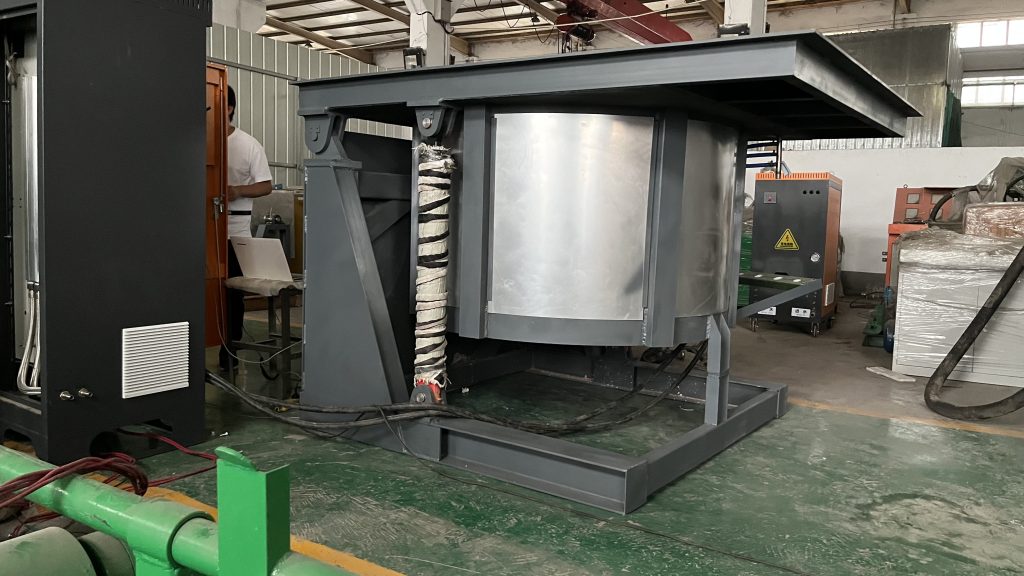
The cost of a furnace for melting metals varies greatly depending on production requirements.
Generally, industrial metal melting furnaces can range from several thousand dollars for small-capacity units to hundreds of thousands of dollars for large-scale customized systems.
| Furnace Capacity | Typical Application | Cost Level |
|---|---|---|
| Small capacity (50kg-500kg) | Small foundries, testing, low-volume production | Lower investment |
| Medium capacity (500kg-3 tons) | Industrial casting and metal recycling | Medium investment |
| Large capacity (5 tons+) | Large foundries and continuous production | Higher investment |
The final price depends not only on the furnace size but also on the technology and configuration selected.
Capacity is one of the biggest factors affecting price.
A furnace melting 500kg of metal per batch requires less power, fewer components, and a smaller cooling system compared with a 5-ton industrial furnace.
Before choosing a furnace, buyers should consider:
Choosing the correct capacity helps avoid unnecessary equipment costs.
Different heating technologies have different equipment costs and operating costs.
Common furnace types include:
Among them, induction furnaces are widely used in modern foundries because of their fast melting speed, precise temperature control, and high energy efficiency.
Although the initial investment may be higher, lower energy consumption and reduced metal loss can provide better long-term value.
The material being melted also affects furnace selection and cost.
For example:
A furnace designed for specific metals usually provides better performance than a general-purpose solution.
When buying a furnace for melting metals, the purchase price is only one part of the total cost.
A more important factor is the long-term operating cost, including:
For industrial users, a furnace with higher efficiency can reduce operating expenses over years of production.
This is why many foundries choose medium frequency induction furnaces for their balance of productivity, efficiency, and reliability.
Before purchasing a furnace for melting metals, consider these questions:
A properly selected furnace can improve production efficiency while avoiding unnecessary investment.
At HTGP, we provide customized melting solutions for different metal processing applications.
Our induction melting furnaces are designed for:
With professional furnace design and manufacturing experience, we help foundries select the right equipment for their production needs.
Contact us to get a suitable furnace solution and quotation for your application.
The cost depends on furnace type, capacity, power supply, and configuration. Small furnaces may require a lower investment, while industrial systems can cost significantly more.
An induction furnace usually has a higher initial cost than some traditional furnaces, but it can reduce energy consumption and improve melting efficiency during long-term operation.
The best furnace depends on the metal type, production capacity, and operating requirements. Induction furnaces are commonly used for efficient industrial metal melting.
Introduction: Choosing the Right Furnace for Efficient Metal Melting Metal melting is a critical process in industries such as casting,…
Intermediate frequency (IF) furnaces are vital for efficient metal melting in industries like metallurgy and foundry. Low power output can…
In modern metal processing, improving induction furnace efficiency is not just about increasing power or upgrading equipment. In real production…