Smelting and purifying metals such as platinum, porpezite, rhodite, gold, etc. Through the Crucible. Can also be used for the melting small amount of nickel alloy, silicon powder alloy, K gold and other metal materials. According to the customer's working conditions, the furnace type can be customized, such as fixed crucible melting or reversible tilting.
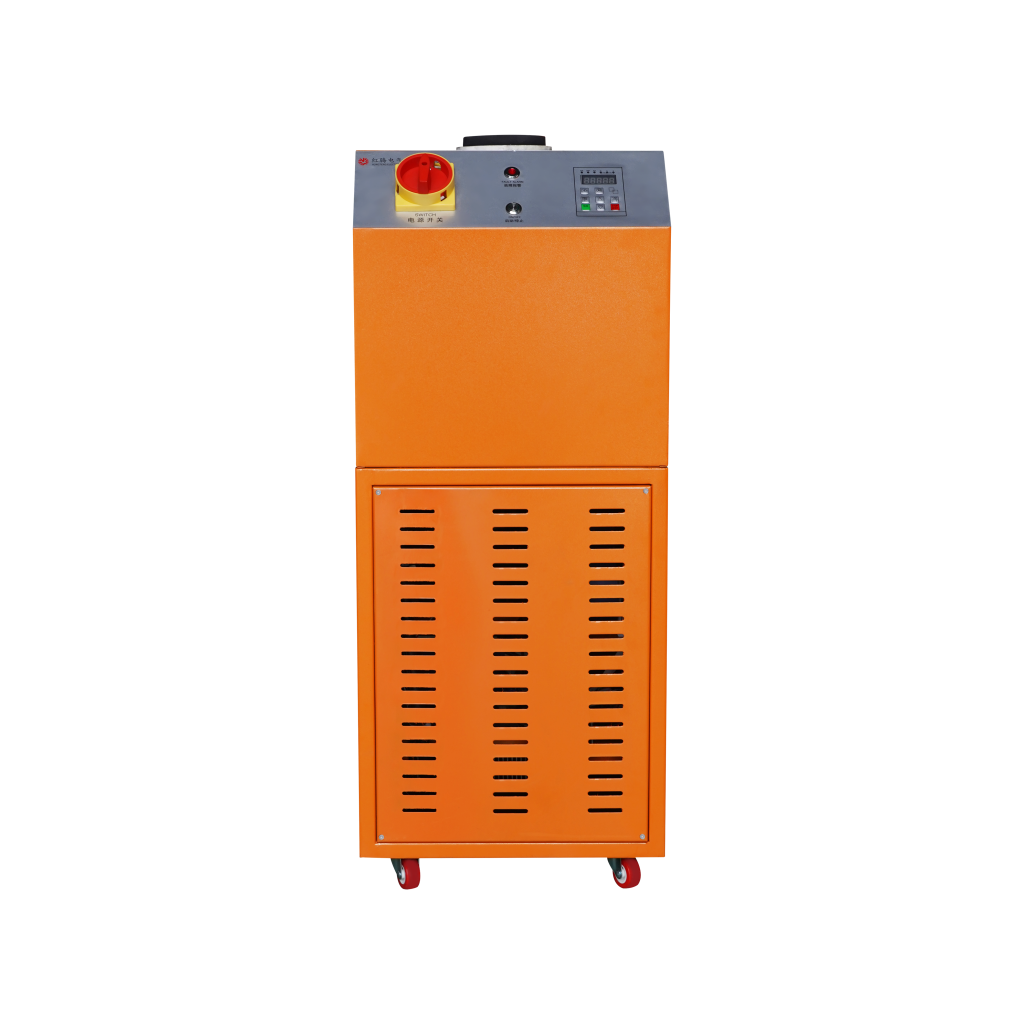
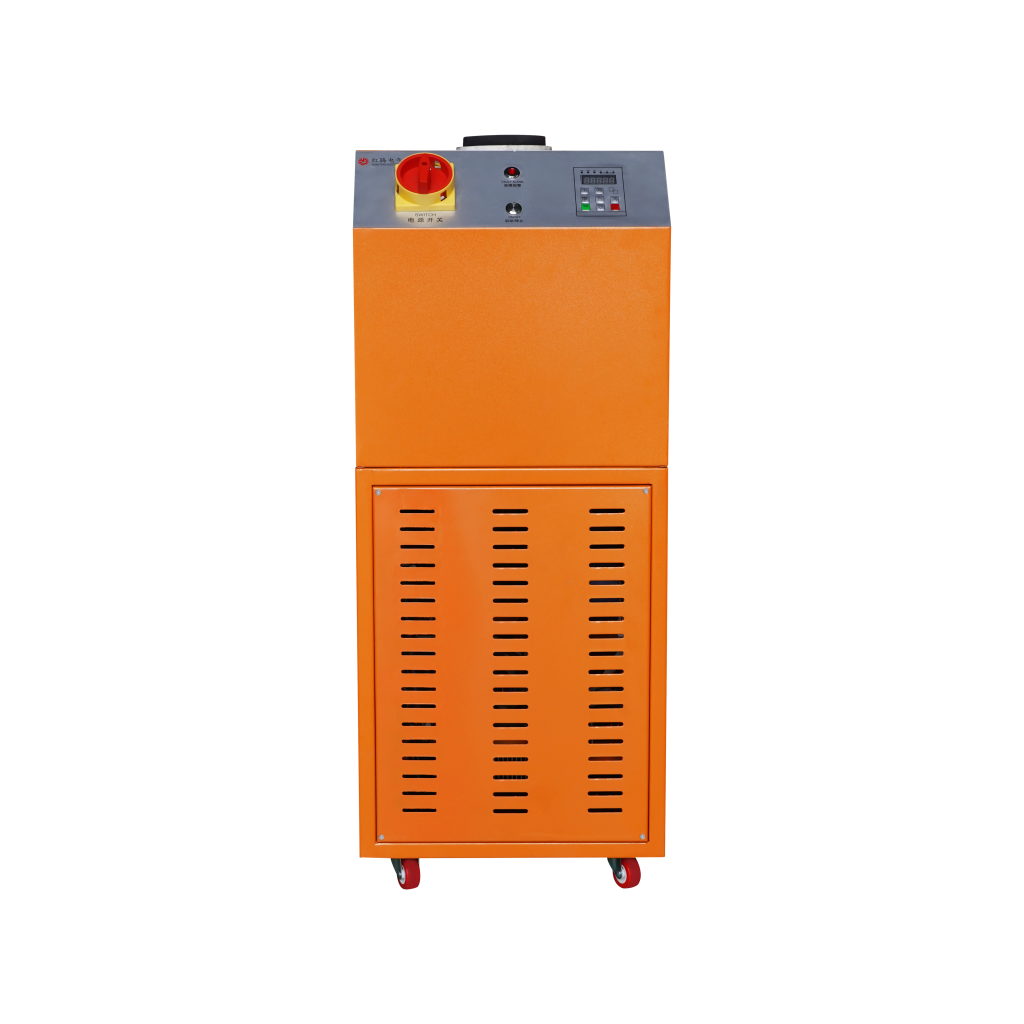
Before evaluating this furnace, I compared it with several induction systems commonly used for precious metal melting, platinum-group metal refining, and small-batch alloy production. Buyers familiar with these materials know how sensitive the process is. Melt stability, temperature control, and alloy uniformity directly influence final product value. Many units perform well only in ideal conditions, so my assessment focused on long-term consistency and real operating behavior.
During trials, installation proved simple. The compact footprint and light frame made it easy to place even in limited workshops. New operators needed minimal instruction. The controls respond predictably, and the furnace quickly establishes a stable heat field, which is essential for metals like platinum, rhodium, and high-temperature alloys.
To check its long-cycle stability, I ran the furnace continuously across a 24-hour period using platinum, rhodium, K-gold, and nickel-based alloys. The IGBT power system maintained steady output without the temperature drift seen in traditional SCR-based units. Power efficiency remained high, and melting curves stayed consistent.
The medium-frequency magnetic stirring added noticeable uniformity to each batch. For workshops refining high-value alloys, improved homogenization reduces composition deviation and enhances downstream processing.
The stated 3–10 minute smelting time held true within recommended capacity. Gold and K-gold batches reached a fluid state rapidly. When dealing with platinum or high-resistance alloys, the furnace still provided faster melting cycles than several conventional models. The adjustable 1500–2000°C temperature range offered the flexibility needed for metal refining, sample preparation, and alloy development.
The primary strengths observed during long-term use include:
Stable temperature curves prevent overheating and protect metal purity.
The IGBT system consumes less power than SCR solutions and maintains conversion efficiency above 90%.
Magnetic mixing improves melt homogeneity and reduces post-processing work.
Lightweight construction and clear controls support frequent batching in jewelry workshops, research labs, or small-scale refining lines.
Consistent induction fields minimize wear when working with platinum-group metals.
When comparing different precious metal melting furnaces, the following metrics matter most:
This furnace performs strongly across all categories, establishing itself as a dependable option for small to medium-scale precious metal production.
After extensive field use, the furnace demonstrates strong energy performance, stable melt behavior, and consistent alloy quality. It supports a wide range of materials including gold, K-gold, platinum, rhodium, and specialty alloys, making it suitable for jewelry casting, metal refining workshops, laboratory alloy research, and boutique production lines.
Its predictable results, controllable temperature system, and efficient energy usage make it a practical choice for buyers looking to enhance productivity while maintaining high purity standards.
Energy-Saving and Environmentally Friendly Solution New type energy-saving and environmentally friendly zinc melting furnace, no cooling equipment required. High productivity,…
The aluminum induction melting furnace serves as core equipment for aluminum and aluminum alloy processing. Leveraging electromagnetic induction principles, it…
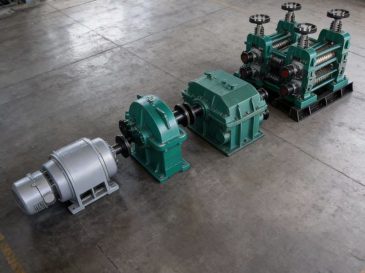
I. Introduction 1.1 Overview of Hongteng Rebar Rolling Mill Hongteng Rebar Rolling Mill specializes in the research, development, production, and…
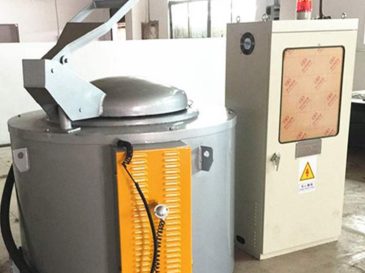
Energy-Saving and Environmentally Friendly Solution New type energy-saving and environmentally friendly zinc melting furnace, no cooling equipment required. High productivity,…